From injections to total replacements, we provide personalised hip treatments with flexible payment options. Private patients benefit from rapid consultations, outstanding care, and lasting pain relief.
Check if we accept your insurer
How to get started
1
Get referred – Ask your GP to refer you to us.
2
Confirm cover – Contact your insurer to check your cover.
3
Get authorisation – Ask your insurer for a code.
4
Get booked in – Contact us to book your consultation.
Dr Hilary has hip replacement with Practice Plus Group
Discover how TV doctor Hilary Jones chose Mr Shahid at Practice Plus Group Hospital, Birmingham for his hip replacement, traveling 360 miles to skip NHS waiting lists in his area.
In comparison, current NHS waiting times for hip operations are typically between 6-12 months, but some may be longer.1 Waiting times vary depending on:
hospital location
demand for orthopaedic care being higher than other specialities
prioritisation of urgent case over scheduled operations
system pressures creating long waiting lists.
What is hip surgery?
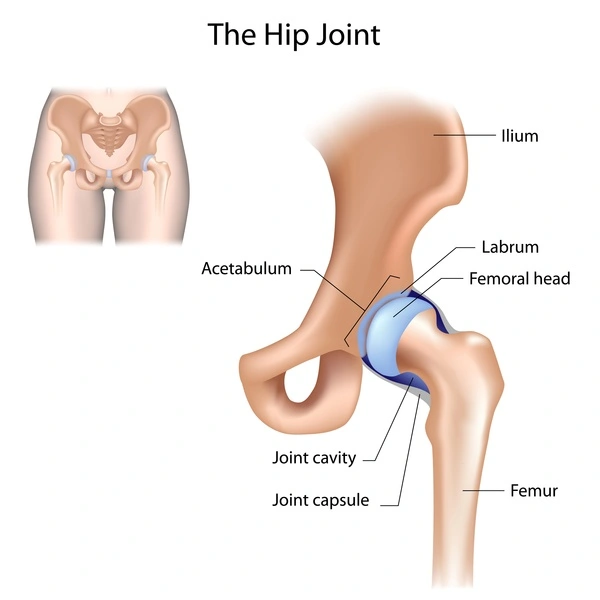
When we talk about hip surgery, we mean any surgical procedure that’s performed on the hip joint to either relieve pain, improve mobility or both. Hip surgeries are usually performed to address a condition or correct an injury.
Who is it for?
Hip surgery is usually recommended for those who are experiencing significant hip pain, stiffness and reduced mobility due to hip joint damage or injury. The majority of patients are around 60–80 years old (particularly for hip replacement). For patients aged between 50-85, the most common hip procedures are total replacements and hip revisions.
Risk groups
The following groups of people could find themselves at greater risk of needing hip surgery:
those with a high body weight which can increase the stress on joints
those that have experience a previous hip injury
athletes
patients that suffer from osteoporosis could be at greater risk of fracture
those with inflammatory arthritis (e.g. rheumatoid arthritis)
those with a family history of hip issues.
Sue talks about her hip replacement experience
Hip replacement patient, Michael tells his story
Jill Flack talks about her husband's hip surgery success
Dr Hilary talks about his hip surgery at Birmingham
Derrick Clarke talk about hip surgery in Birmingham
Val Stones talks about her hip replacement experience
Jennie Peace talks about her hip surgery at Shepton Mallet
17
When to seek treatment - signs and symptoms
If conservative treatments such as medication, physiotherapy, and lifestyle modifications haven’t worked, and your condition is significantly impacting your life, hip surgery may be recommended.
Signs you need surgery could include:
persistent pain
reduced mobility
difficulty performing everyday tasks
poor quality of life
joint damage shown on scans.
Red flag guidance
See urgent medical advice if you experience:
sudden inability to bear weight on the affected hip
severe groin or thigh pain after a fall
hip locking or instability
fever with joint pain
increasing pain at rest or night pain.
Types of hip surgery and treatments offered
There are many different hip surgery types, ranging from minimally invasive procedures to major hip operations. To understand which solution is best for you, it's a good idea to talk to your GP or consultant. Discover all the different types of surgery and hip treatments available at Practice Plus Group.
What it treats: advanced osteoarthritis, inflammatory arthritis, avascular necrosis, post-traumatic arthritis.
Who it’s for: significant pain and stiffness affecting walking, sleep and everyday function.
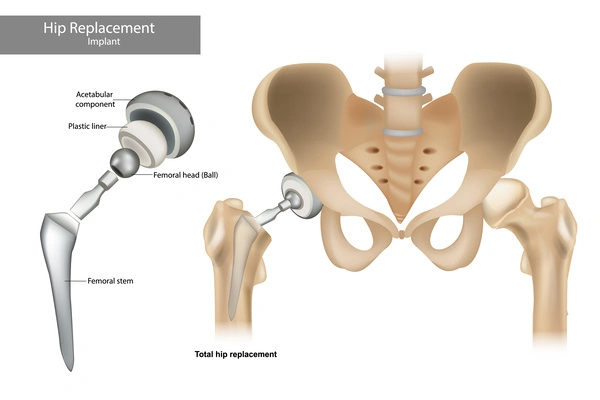
How it works: damaged ball-and-socket surfaces are removed and replaced with an implant Procedure duration: typically 1–2 hours (can vary).
Anaesthesia: general or spinal (discussed at pre-assessment).
Hospital stay: same-day or 1–2 nights depending on your recovery plan.
Recovery snapshot: many patients progress well by 12 weeks, with continued improvement up to 12 months.
How long will my new hip last? Evidence suggests long-term implant survivorship remains high at 10+ years, with many hips lasting 15–20+ years (varies by patient and implant).
Arthritis is a term used by doctors to describe inflammation within a joint. Osteoarthritis is the most common form of joint disease. The surfaces within your joints become damaged so the joint doesn’t move as smoothly as it should. This causes joint pain and stiffness.
Treatment ranges from conservative means such as lifestyle changes, to fusion, excision or replacement. During hip surgery, the orthopaedic surgeon replaces the damaged joint surfaces with artificial parts, reducing pain and improving your mobility.
Hip arthroplasty surgery
This is the surgical reconstruction or replacement of an arthritic joint. Hip and knee replacements are the most common major orthopaedic procedures. The goals are to restore function and relieve knee or hip pain.
Hip injections for pain relief
Hip injections are occasionally offered to either help with diagnosis (where there is uncertainty around the source of the pain) or as a short-term option for pain relief. Please note, hip injections are not a substitute for hip surgery.
At Practice Plus Group, these include:
Steroid injections – which reduce inflammation
Hyaluronic acid - to help the joint move more smoothly
PRP - offered at selected hospitals when clinically appropriate.
When hip injections may be appropriate:
for flare-ups of inflammatory pain
for short-term relief while building strength or managing weight
to aid diagnostic injections in confirming the source of pain.
Temporary relief expectations: the effects of hip injections can vary. Some people enjoy weeks of relief, others months, while some will get minimal benefit. Your consultant will explain what’s realistic for your situation.
Before hip surgery, patients can try conservative pain management. This could include:
physiotherapy
weight management
regular painkillers and anti-inflammatory medication (where appropriate)
walking aids
activity modification.
When surgery becomes appropriate: When pain and stiffness persist despite these options, scans show significant joint damage, and everyday life is being limited.
Pain in your hip?
If you’re experiencing hip pain, try our hip surgery suitability quiz. It will give you an idea of whether you’d benefit from booking a consultation with one of our hip specialists.
How quickly you return to your normal daily activities will vary from person-to-person, but with good physiotherapy and a planned approach to recovery, you should quite quickly notice that everyday tasks become much easier.
Whilst quality of life may have dipped pre-surgery, tasks like tying shoe laces, getting in and out of the car or bath, walking or standing, will improve. Most people find that they can resume hobbies that they previously enjoyed, such as golf or gardening after a hip replacement.
Hear from a past patient
"I feel lucky to have been treated by the team in Birmingham…I’ve already told anyone who listens about how wonderful the team are and would thoroughly recommend them."
Anthony Macintosh, hip surgery patient at Practice Plus Group Hospital, Birmingham
Patient-reported outcomes (PROMs): NHS PROMs data shows most hip replacement patients report feeling better after surgery — with a large majority reporting they feel “much better”, and a further group “a little better”.3
Implant longevity / survivorship: Evidence reviews using national registry data indicate high survivorship at 10 years and meaningful survivorship at 15–20 years (outcomes vary by age, implant type, activity level and other factors).
Guideline-led rehabilitation: NICE guidance recommends providing clear information about what to expect before/during/after surgery, including recovery and rehab, and supports early rehabilitation as part of good care pathways.
Risks and complications of hip surgery
As with any surgical procedure, there is a small risk of complications. These can include:
Blood clots
Infection
Dislocation
Leg length discrepancy
Implant loosening and general wear and tear.
How risks can be reduced
The steps below detail how the risks of needing hip surgery can be reduced:
Pre-operative assessment and medical optimisation
Antibiotics (where indicated)
Blood clot prevention (medication/compression + early mobilisation)
Enhanced Recovery Pathway style early mobilisation and physio support
Clear discharge guidance and follow-up.
When to seek urgent care
Seek urgent help if you develop:
calf swelling, pain, or redness - this could be a sign of Deep vein thrombosis
sudden chest pain or breathlessness - this could indicate a pulmonary embolism
fever, increasing wound redness or discharge - this could indicate possible infection
sudden “popping out” sensation, severe pain, or an inability to weight-bear - this could be a sign of hip dislocation.
Hear from our expert: "The main things to watch out for are hip stiffness, persistent pain, restricted mobility, and swelling or inflammation."
The information below explores the ins and outs of hip surgery, from the initial consultation to recovery and what to expect during aftercare.
Pre-operative assessment
If you see signs that you need a hip replacement, you can go to your GP who may refer you to an orthopaedic consultant for an initial consultation. Consultation and pre-operative screening will involve a review of your medical history to ensure the treatment is safe, along with any necessary tests or scans.
Next, you will be set a date to come into hospital as an inpatient for hip replacement surgery. With Practice Plus Group, private hip surgery patients can typically have their private hip consultation within two weeks of initial enquiry with surgery between 4-6 weeks later.
Preparing for hip surgery
While you are waiting for your treatment, you can prepare for hip replacement surgery by doing gentle exercise in the run-up. Walking and swimming will help to strengthen the muscles around the hip, helping to speed up the recovery process.
Some others things you can do to prepare for your surgery include:
making travel arrangements to and from the hospital
preparing your home by removing trip hazards and moving important items within easy reach
stopping smoking and excessive alcohol consumption
During the procedure
The operation replaces worn or damaged sections of the hip with an artificial hip joint. The surgery will be carried out either under general anaesthetic or spinal anaesthetic.
Your hip surgeon will make an incision on the side of your hip, remove the damaged ball and socket joint and replace it with an artificial one.
At Practice Plus Group we practise the Enhanced Recovery Pathway (ERP) which is a modern, evidence-based approach that helps shorten recovery time after hip surgery. Length of stay in hospital can be significantly shorter as a result of ERP, with patients able to return home any time from the day of surgery to two to three days post operatively.
Our physiotherapists begin working closely with you within hours of joint replacement surgery, getting you up on their feet and growing your confidence. This early mobilisation in the recovery room and a return home reduces the risk of deep vein thrombosis and infections, as well as making patients feel more comfortable.
Enhancing outcomes through physiotherapy
Your physiotherapist will give you exercises and instructions on how to use mobility aids such as crutches and sticks. For the first four-to-six weeks, you will need crutches or sticks to get around and you will need to do your exercises to ensure your new hip joint gives you the best results.
Hip surgery healing times
Most people are back to normal within 12 weeks but it can take up to a year before you fully benefit from your new hip. It is up to individuals to do the physiotherapy to make sure that the hip gets strong and has a full range of movement.
Hip surgery recovery timeline
The timeline below presents a step-by-step guide of what hip surgery patients can expect of their recovery. Please note, patients recover at different rates depending on a number of factors.
Week 1-2
Walking with a frame or crutches
Pain often peaks around day 2 or 3
Wound care and exercises begin
Driving is not permitted
Weeks 3-6
Reduced dependence on walking aids
Able to climb stairs with support
Driving: after 6 weeks (only when safe and insurer agrees)
Return to desk work often possible
Months 3-6
Independent walking
Swimming, cycling, golf, and other light sport
Follow-up review
Long-term recovery
Maximum recovery up to 12 months
Implant longevity often 15–20+ years (this can vary from patient-to-patient)
Low-impact sport recommended and joint protection advice.
Your hip surgery patient journey
The information below presents a clear overview of the entire patient journey for hip surgery.
1 - Initial consultation
2 - Imaging and diagnosis
3 - Treatment decision
4 - Pre-op preparations and assessment
5 - Day of surgery
6 - Hospital stay (same-day or short in-patient stay depending on procedure and recovery)
7 - Return home (with pain relief medication, wound care, and exercises)
8 - Follow-up appointments and physiotherapy milestones
At Practice Plus Group, our hip operation private costs are completely transparent. Aside from the £145 consultation fee, everything is included in the quoted price.
What is the average private cost of hip replacement in the UK?
The cost of private surgery for hip replacements in the UK varies, depending on the provider. Prices start at around £10,000 but other providers can charge as high as £15,000 depending on the area of the UK you live in. Prices also vary by what’s included.
Healthcare provider
Consultation fee
Price of hip surgery
Total
Practice Plus Group
£145
£13,199
£13,344
Circle Health Group
from £200
from £16,550
£16,750
Nuffield Health
from £220
£17,960
£18,180
Spire Healthcare
£220
£14,590
£14,810
Prices correct as of October 2024. If you are having an operation that requires an overnight stay and having a private room is important to you, please let us know when booking so we can do our best to accommodate. Find out more about the costs of private healthcare and why we charge less here.
Ways to pay
There are 3 ways to access hip surgery at Practice Plus Group:
If you choose to pay for yourself you can book an initial appointment for £145 by calling us or completing our self-pay enquiry form. The initial appointment includes x-rays and blood tests, so you won’t find any hidden costs. You'll typically have your initial consultation within two weeks, with the surgery itself around four-to-six weeks later. For more information, check our national private hospital price list.
Private insurance hip operation costs
To find out more about having hip surgery using your private insurance, you can call your provider and ask them to pre-authorise your care. Each provider will have its own approach. You can find a list of providers with contact information on our insured patients webpage.
NHS referral
If you have talked to your GP and have decided that you need hip surgery, you are able to choose where you have that NHS treatment. We can accept referrals from any eligible patient* in need of the treatments we offer, regardless of where you live in the UK, even if you have an existing health condition as long as it’s safe for us to treat you.
Talk to your GP about the options, and do some research to help you make the right choice for your needs. Consider things like how long you will have to wait for hip replacement or treatment at each hospital, what their clinical outcomes and infection rates are like and how the Care Quality Commission has rated the service.
If you have already been referred somewhere, but change your mind about where you’d like to go, you can still exercise your right to choose. Just tell your GP that you would like a new referral to another hospital.
*Patients must meet Practice Plus Group eligibility criteria and be ordinarily resident in the UK. Eligibility is checked by your GP.
Find hip consultant specialists
At Practice Plus Group, you can choose an experienced hip consultant to support you throughout your time with us, ensuring you receive first-class, high quality care.
At Practice Plus Group Hospitals we’re passionate about giving patients a positive experience and excellent clinical outcomes, with personalised care every step of the way. Whether you’re paying for yourself or using private medical insurance, with our short waiting times, unrivalled Care Quality Commission (CQC) ratings and high levels of cleanliness and infection control, we’ll make sure you’re looked after. In fact, we were the first provider to have all services rated ‘Good’ or ‘Outstanding’ by the CQC.
Find private hip surgery near you
Are you ready to get back to the things you love?
With excellent hospitals all around the UK and high patient satisfaction, we’re ready to help you say goodbye to hip pain.
Talk to our team today or fill in the form below to book a consultation at a time that suits you.
This article was completed with the help of Mr Nurul Ahad, Medical Director and Orthopaedic Surgeon at Practice Plus Group. Mr Ahad graduated from Barts and the London School of Medicine before being appointed Trauma Consultant at Barking Havering and Redbridge University Hospitals in 2010. His expertise has led to several publications and international presentations.
With over 15 years of experience in orthopaedic surgery, he has a proven track record of delivering an excellent quality of service.
Over the last few years Practice Plus Group has grown its Marketing Team to include art workers, campaign and social media managers, content editors, and digital analysts. Together, they provide a responsive and comprehensive service, ensuring all content is on-brand and in-line with relevant medical guidelines.
Wellsoon is a service from Practice Plus Group that provides a range of treatments for patients paying for themselves or paying by private medical insurance. With no hidden costs, you'll pay less than you might think and be back to your best sooner than you thought.
Consultation within 1 to 2 weeks* - includes x-ray, bloods and swabs
Hip surgery Q&A with Consultant Orthopaedic Surgeon, Kenan Dehne
What are the benefits of hip replacement surgery?
What approach do you use for hip surgery, and why?
How soon can I have my hip surgery?
How should I prepare for my hip surgery?
How long will my hip surgery take?
What happens after my surgery?
How long after hip surgery will I be able to drive again?
How long will my new hip last?
What are the possible complications of hip surgery?
What else should I know about hip replacement surgery?
110
Hip surgery FAQs
Not yet found the details you're looking for? Our dedicated hip surgery FAQs might be able to help!
Why do people get hip surgery?
Generally, people get hip surgery to:
- relieve persistent pain - improve mobility - improve their quality of life.
Is hip surgery major surgery?
Yes, hip surgery is considered major surgery.
How soon can you drive after hip surgery?
This varies from patient-to-patient and depends on the speed of recovery. Hip patients can get back behind the wheel when they can perform an emergency stop without discomfort.
How long after hip surgery can you walk?
Getting back on your feet as soon as possible is encouraged. At Practice Plus Group, if you're ready, your consultant and nursing team will help you to get moving again within hours of your operation.
How long after hip surgery can you fly?
This depends on the type of hip surgery you had and the surgical technique used. You should consult your doctor for more information.
How long does pain last after hip surgery?
This varies from patient-to-patient but typically the pain should considerably subside between one and six weeks after your surgery.
Where is the best private hospital for hip surgery?
This depends entirely on your specific needs and circumstances. Where you're situated in the UK also plays a big role with regards to pricing and hospital availability. At Practice Plus Group, we have 10 locations across the UK and patients will have their hip surgery within 4-6 weeks of their initial consultation.
When can you return to work after hip surgery?
This depends on how quickly you heal and what your job entails. For example, patients with desk jobs will be able to return to work sooner than those with more manual roles.
What's the difference between hip surgery on the NHS and private?
The main differences are price and waiting times. Surgery with the NHS is free but patients are likely to face a long waiting list depending on where they are in the UK. Private hip surgery costs money but is typically available within a month or two of initial enquiry.
How much is a private hip operation in the UK?
Private hip operations vary in cost depending on the healthcare provider and the type of surgery needed. Hip replacement at Practice Plus Group costs £13,199 while the same surgery at Spire Health and Nuffield Healthcare respectively cost between £13,000 - £17,000 depending on hospital location.
*Prices correct as of 20th November 2024
How much is a hip operation on the NHS?
Hip operations on the NHS are free. However, NHS patients will likely face lengthy waiting lists - some of up to a year - depending on UK location.1
Is hip surgery covered by health insurance?
Whether you have health insurance through an employer or your own private medical insurance, you can get referred for hip surgery at Practice Plus Group. Simply contact your insurance provider and ask them to pre-authorise your treatment.
How long does it take to recover from hip replacement?
Most people are back to normal within 12 weeks, but it can take up to a year before you fully benefit from your new hip.
How long do hip replacements last?
Evidence suggests a hip implant can last up to 20 years but most need revision around the 15 year mark. This varies depending on the patient and what the hip implant is made of.
Our hospitals
We have hospitals and surgical centres across the country. Find a hospital near you.
Hip surgery, Shepton Mallet – we have saved £6,500
My wife had a total hip replacement yesterday at Practice Plus Group Hospital, Shepton Mallet. They were absolutely brilliant and if like me you maybe needing surgery but on a long waiting list and considering going private, they are definitely worth getting a quote from. We have saved £6,500 by going to them and not another private hospital. Her consultation was 27th May, operation 13th June, home on 14th.
by Mr Antoniou,
Above and beyond
Big shout out to Practice Plus Group Plymouth who went above and beyond to make my day case visit today as comfortable as possible, from the day case nurses to all the theatre staff. Special mention to Carly, Cathy, Amy and Elaine(?) nothing was too much trouble!
by Sue Bentley, Twitter
Hip surgery – best experience ever for my hip replacement
I had the best experience ever for my hip replacement. Would highly recommend, thank you to all the staff involved throughout
by Franca
Hip surgery, Plymouth – at long last I am out of pain
Thank you very much for my TWO successful hip operations at long last I am out of pain and recovering well. Many thanks to you and all your staff. Best wishes.
by Brenda Sutton, Thank you card
Devizes – very pleasant experience
Lovely people, kind and considerate to old fools such as myself (85). Very pleasant experience, considering l was petrified.
by Peter Dixon, Google
Incredible
I can not speak more highly of the staff here. Everybody I dealt with and saw with others were incredible, be it the surgeon or bed chaperones.