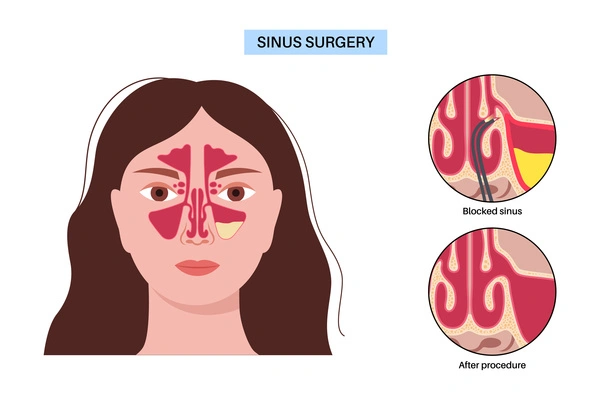
Private sinus surgery at Practice Plus Group typically has a 4–6 week wait and is mainly performed as Functional Endoscopic Sinus Surgery (FESS). This is a minimally invasive procedure used to treat chronic sinusitis, nasal polyps, and persistent sinus problems that haven’t improved with medication.
This page explains who may benefit from sinus surgery, the procedure, recovery timeline, risks, costs, and how surgery can improve breathing, sinus drainage, sleep, and quality of life while often requiring ongoing aftercare and symptom management.
Check if we accept your insurer
How to get started
1
Get referred – Ask your GP to refer you to us.
2
Confirm cover – Contact your insurer to check your cover.
3
Get authorisation – Ask your insurer for a code.
4
Get booked in – Contact us to book your consultation.
At Practice Plus Group, the average private surgery waiting time for ENT treatment is approximately 4–6 weeks.
NHS waiting times for sinus surgery can vary depending on local demand, consultant availability, diagnostic requirements and clinical priority. Patients need CT scans, nasal endoscopy, and potentially a trial of medical treatment before surgery is recommended.
Private treatment can provide faster access to:
specialist ENT consultations
nasal endoscopy
CT scans and diagnostic imaging
surgery planning
treatment for nasal polyps and chronic sinus problems
clear aftercare advice and follow-up support.
Why waiting times can vary
The following reasons are relevant to the NHS. Private waiting times at Practice Plus Group are 4-6 weeks, regardless of treatment.
high demand for ENT services
availability of diagnostic imaging
consultant and theatre capacity
complexity of sinus disease
whether nasal polyps are present
whether symptoms affect breathing, sleep, or sense of smell.
What is sinus surgery?
Sinus surgery is a procedure to improve airflow and drainage through the nose and sinuses. It is commonly used to treat chronic sinusitis, nasal polyps, and ongoing sinus problems that have not improved with medication.
The most common type of sinus operation is Functional Endoscopic Sinus Surgery (shortened as FESS). This is a minimally invasive procedure performed through the nostrils using a thin camera called an endoscope. Your surgeon uses the endoscope to see inside the nose and sinuses and remove blocked, swollen, or inflamed sinus tissue.
The aim is to open the natural sinus drainage pathways, reduce blockages, and help the sinuses function normally.
What conditions can sinus surgery treat?
Sinus surgery may be recommended for people with long-term or recurring sinus problems. It may be especially applicable for those with symptoms that persist despite treatment such as nasal steroid sprays, saline rinses, or antibiotics.
Sinus surgery may help treat:
chronic sinusitis
recurrent sinus infections
nasal polyps
blocked sinuses
ongoing nasal congestion
facial pressure or pain linked to sinus disease
reduced sense of smell
sinus drainage problems
inflammation affecting the nose and sinuses.
Who is sinus surgery for?
Sinus surgery may be suitable for those with persistent symptoms that affect day-to-day life and don’t improve with non-surgical treatment.
If you’re experiencing any of the following symptoms, it might be a good idea to book a consultation with a specialist ENT consultant:
During your consultation, the specialist will assess your symptoms, discuss your medical history and diagnostic results before recommending surgery (if it’s needed).
A word from our specialist:
“As an ENT surgeon for 30 years, I understand living with chronic sinus pain, pressure, and congestion can drain their daily energy. Not getting a proper sleep, night after night, for several years, will have detrimental impact on health and mood.”
Attila Juhasz, Consultant ENT Surgeon, Practice Plus Group Hospital, Emersons Green
The following information sets out surgical and non-surgical treatments for sinus issues.
Non-surgical treatment options
Not everyone with sinus problems needs surgery. Your consultant may recommend non-surgical treatment first, especially if symptoms are mild or have not been fully investigated.
Non-surgical treatment options may include:
nasal steroid sprays or drops
saline nasal rinses
antibiotics, where bacterial infection is suspected
allergy management
short courses of oral steroid medication in selected cases
lifestyle changes to reduce triggers
monitoring symptoms over time.
If these treatments do not provide enough relief, surgery may be the best option for you.
Functional Endoscopic Sinus Surgery (FESS)
Functional endoscopic sinus surgery FESS is the main type of sinus surgery used to treat chronic sinusitis and nasal polyps.
Who it’s for FESS may be recommended for patients with chronic or recurring sinus problems that have not improved. This could be despite taking medication or where CT scans show blocked or inflamed sinus drainage pathways.
How it works Your surgeon inserts a thin camera called an endoscope into the nose. This allows them to see the sinus openings clearly. Small surgical instruments are then used to remove nasal polyps, clear inflamed sinus tissue, or widen the natural sinus drainage pathways.
The procedure is performed through the nostrils, so there are usually no external cuts or visible scars.
How long it takes Sinus surgery often takes between 90 – 150 minutes. This varies depending on the extent of the sinus disease and whether additional treatment is needed.
Anaesthesia FESS is usually performed under general anaesthetic. This means you’ll be asleep during the operation.
Hospital stay Most patients return home the same day as their procedure. In some cases, staying overnight may be recommended but this will depend on your medical history, the complexity of your surgery, and how you recover after the anaesthetic.
Recovery time Many people take between 1-3 weeks off work after sinus surgery but it depends on the nature of your job. Recovery generally varies depending on the type of operation you have and the severity of your symptoms before surgery.
Benefits of sinus surgery
Sinus surgery may help:
improve sinus drainage
reduce nasal blockage
reduce facial pressure linked to sinus disease
improve breathing through the nose
treat nasal polyps
reduce the frequency of sinus infections
improve sense of smell in some patients
make nasal steroid sprays and rinses more effective after surgery
improve sleep and day-to-day comfort
support long-term management of chronic sinus problems.
Sinus surgery is not always a permanent cure for chronic sinusitis, especially where inflammation or nasal polyps are ongoing. Some patients need continued nasal steroid treatment or saline rinses after surgery to help manage symptoms.
A word from our ENT specialist:
“It is fantastic to hear from patients, how surgery changed their life for the better: When they have their first restful sleep after surgery or when they can feel the smell of coffee in the morning after years of not being able to do so.”
Attila Juhasz, Consultant ENT Surgeon, Practice Plus Group Hospital, Emersons Green
As with any operation, sinus surgery carries risks. Your consultant will explain the benefits and possible complications before you decide whether to go ahead.
Potential risks include:
bleeding from the nose
infection
pain or discomfort
crusting or dryness inside the nose
temporary or permanent change in sense of smell
ongoing or recurring sinus symptoms
scar tissue inside the nose
need for further treatment or revision surgery
reaction to anaesthetic.
Rare complications can include:
damage to the eye area
double vision
changes to vision
leakage of fluid from around the brain
injury to surrounding structures.
While these complications are rare, it’s important to fully understand them before proceeding with surgery.
How risks are reduced
Risks are reduced through:
consultant-led care
pre-operative assessment
nasal endoscopy and imaging where needed
CT scans to assess the sinus anatomy
modern endoscopic surgical techniques
clear post-operative guidance
follow-up appointments after surgery.
When to seek urgent medical attention
You should seek urgent medical advice if you experience:
heavy bleeding that does not settle
worsening pain or swelling
high temperature
clear watery fluid leaking from the nose
severe headache
neck stiffness
new double vision
reduced or blurred vision
shortness of breath or chest pain.
What to expect before, during, and after surgery
The following information details how you can prepare for your sinus surgery.
Preparing for sinus surgery
Before you get to the surgery stage, you’ll first need to have a consultation with an ENT specialist. This consultant will ask about your symptoms, discuss your medical history and any treatments you may have already tried.
Based on this consultation, you may need:
nasal endoscopy
CT scans
allergy assessment
review of current medication
pre-operative assessment
blood tests, depending on your health and planned procedure.
Practical preparation tips
If you do need surgery, you may be advised to:
arrange transport home
arrange someone to stay with you after surgery
follow fasting instructions
discuss blood-thinning medication with your care team
stop smoking (if possible) to support healing
plan time off work (usually around 1-3 weeks)
avoid heavy lifting during early recovery
prepare saline rinses or sprays if advised by your consultant.
How is sinus surgery performed?
Sinus surgery is usually performed through the nostrils. Your surgeon uses an endoscope to see inside the nose and sinuses. Small instruments are then used to remove nasal polyps, clear blocked sinus tissue, or widen the sinus openings.
The aim is to improve drainage and airflow while preserving as much healthy sinus tissue as possible.
What happens after surgery?
After surgery, you will wake up in the recovery room where your care team will monitor you as the anaesthetic wears off. You may feel blocked up, tired, or have some mild bleeding from the nose.
Your care team will give you advice on:
pain relief
nose care
saline rinses
when you can start taking nasal steroid sprays
the activities to avoid
when to attend follow-up appointments
which symptoms need urgent medical advice.
Many patients go home a few hours after surgery once the nursing team is satisfied it’s safe for them to do so.
Sinus surgery recovery timeline
The following details provide an overview of what the recovery process may look like. Please remember everyone recovers at different rates.
First 24-48 hours
rest at home
mild bleeding or blood-stained discharge is common
your nose may feel blocked
sleep with your head slightly raised
take pain relief as advised
avoid hot drinks if they increase bleeding
do not drive after a general anaesthetic.
First week
plan around 1-3 weeks off work
avoid blowing your nose, strenuous activity, and heavy lifting
use saline rinses or sprays as advised
attend follow-up appointments if arranged.
Weeks 2-4
nasal blockage should gradually improve
crusting and discharge may continue while the nose heals
your consultant may advise restarting or continuing nasal steroid treatment
light activity can usually be increased gradually
avoid contact sports until cleared by your consultant.
Longer-term recovery
symptoms may continue improving over several weeks
sense of smell may improve gradually, although results vary
some people need long-term nasal steroid sprays or rinses
follow-up care helps monitor healing and reduce the risk of symptoms returning.
Your sinus surgery patient journey
Wondering what the whole journey for sinus patients looks like? See below:
Private sinus surgery costs can vary depending on:
hospital location
consultant assessment
complexity of sinus condition
whether nasal polyps are present
whether additional nasal surgery is required
diagnostic tests such as nasal endoscopy or CT scans.
At Practice Plus Group, sinus surgery (including FESS) costs start from £4,199 plus £145 for the consultation. Please note that if diagnostic tests are needed, these will be charged separately.
What’s included?
Your package includes:
your pre-operative assessment
anaesthetic
theatre costs
hospital stay
standard follow-up appointments.
Your care team will confirm exactly what is included before treatment.
Find ear, nose, and throat surgeons in the UK
Looking for an ENT surgeon near you? Practice Plus Group provides private ENT treatment and surgery at selected hospitals and surgical centres, with fast access to experienced consultants and clear pricing.
An ENT consultant can assess your nose and sinuses, arrange diagnostic tests if needed, and explain whether sinus surgery is the right treatment option for you.
Why choose Practice Plus Group?
Consultant-led care
Shorter waiting times
Transparent pricing
Modern hospitals and surgical centres
CQC regulated services
Flexible payment options
Personalised support throughout treatment
High standards of cleanliness and infection control
Practice Plus Group was the first provider to have all services rated “Good” or “Outstanding” by the CQC.
This page has been medically reviewed and approved by Mr Attila Juhasz, Consultant ENT Surgeon at Practice Plus Group Hospital, Emersons Green. He is a GMC-registered consultant surgeon (GMC: 6114663), with over 32 years of surgical experience and holds a PhD in Medical Science and DOHNS qualifications. His specialist practice includes ear, nose, and throat surgery, with a special interest in complex Functional Endoscopic Sinus Surgery and Dacryocystorhinostomy (DCR) operations.
All content on this page is produced by the Practice Plus Group digital content team and clinically reviewed by consultant specialists to ensure accuracy, patient safety, and alignment with current UK clinical best practice. Content is approved under Practice Plus Group’s clinical governance framework.
Attila Juhasz General Medical Council number: 6114663
This page is regularly reviewed and updated to reflect changes in clinical evidence, surgical practice, and patient safety standards. The last clinical review was completed on 17/6/2026, with the next review scheduled for 17/06/2027.
James Wood, Content Specialist
This article was co-written by Content Specialist, James Wood. Our Content Specialist, James, has been writing articles and blogs for Practice Plus Group since 2022. He has more than a decade of experience as a copywriter within a range of different backgrounds and works closely with medical professionals to deliver information that's easy-to-read and patient-focused. When he's not writing medical pieces, James is busy playing sports or pub quizzing.
Not yet found the sinus surgery information you’re looking for? Our dedicated FAQs may be able to help!
What is sinus surgery?
Sinus surgery is an operation to improve drainage and airflow through the nose and sinuses. It is often used to treat chronic sinusitis, nasal polyps, or recurring sinus problems that have not improved with medication.
What is functional endoscopic sinus surgery FESS?
Functional endoscopic sinus surgery (FESS) is a minimally invasive type of sinus surgery performed through the nostrils. Your surgeon uses a thin camera called an endoscope to see inside the nose and remove or reshape blocked sinus tissue.
How much does private sinus surgery cost?
At Practice Plus Group, sinus surgery (including FESS) starts from £4,199. The final cost may vary depending on your location, diagnostic needs, and surgical complexity.
How long is the waiting time for private sinus surgery?
At Practice Plus Group, the average waiting time for private ENT treatment is 4–6 weeks.
Will I need CT scans before sinus surgery?
Some patients need CT scans before sinus surgery. This helps your consultant understand your sinus anatomy, identify blocked areas, and plan surgery safely.
Is sinus surgery painful?
You will not feel pain during the operation because anaesthetic is used. After surgery, you may have mild discomfort, a blocked feeling in the nose or some blood-stained discharge, which should improve as you recover.
Will sinus surgery improve my sense of smell?
Sinus surgery may improve the sense of smell for some patients, especially where nasal polyps or blocked sinuses are contributing to the problem. Results vary and your consultant can explain what is realistic for your symptoms.
How long will I need off work after sinus surgery?
Many people take around a week off work after sinus surgery but it depends on the nature of your job. You may need longer if your job involves heavy lifting, strenuous activity, or dusty environments.
Can I exercise after sinus surgery?
You should avoid strenuous exercise and heavy lifting during the early recovery period. Your consultant will advise when it is safe to return to normal activity.
Will I need to stay overnight?
Most sinus surgery patients go home the same day. Staying overnight may be needed in rare cases, depending on the complexity of surgery, your medical history, and how you recover after the anaesthetic.
What are the risks of sinus surgery?
Risks include bleeding, infection, ongoing symptoms, temporary changes to sense of smell, and the need for further treatment.
Can sinus problems come back after surgery?
Yes, sinus problems can return, especially if you have chronic inflammation, allergies or nasal polyps. Ongoing treatment such as nasal steroid sprays or saline rinses may be recommended after surgery.