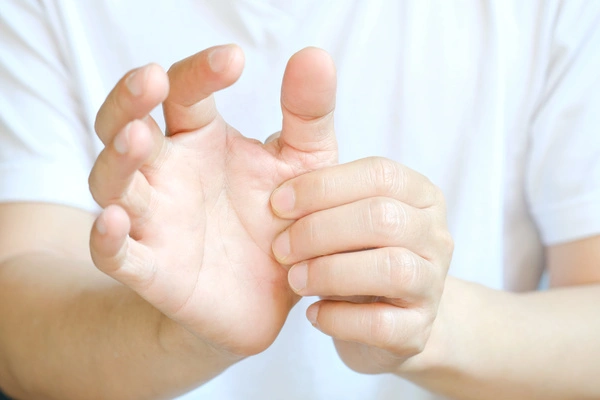
If pain at the base of your thumb is affecting everyday activities, it may be more than simple wear and tear. Thumb arthritis can make it difficult to perform a whole host of hand actions and, unfortunately, symptoms often get worse over time.
Which is where thumb replacement surgery comes in. This procedure may be an option when pain, stiffness, and weakness persist despite non-surgical treatment. For the right patient, it can lead to a pain-free life, improve movement, and make daily life easier.
In this guide, we explain the main signs that you may need thumb replacement surgery, when to seek specialist advice, and what to expect if you choose private treatment through self-pay or private medical insurance.
Private thumb replacement surgery at a glance
Waiting time: 4-6 weeks
Cost: £10,449
Ways to pay: self-pay, using your insurance, payment plans
Thumb replacement surgery is used to treat arthritis at the base of the thumb. It is often recommended when persistent pain, weakness, stiffness, and reduced hand function no longer improve with non-surgical treatments such as splints, medication, therapy, or injections.
A specialist can assess whether thumb joint replacement or an alternative procedure like trapeziectomy is most suitable, with the goal of relieving pain, restoring function, and improving quality of life.
What is thumb replacement surgery?
Thumb replacement surgery is a procedure used to treat arthritis in the carpometacarpal joint, also known as the CMC joint, at the base of the thumb.
This joint is responsible for many important movements, including:
gripping
pinching
turning
twisting.
When the cartilage in the joint wears away, the bones can rub together. This leads to damaged joint surfaces which causes pain, weakness, swelling, and reduced movement.
Thumb joint replacement surgery aims to relieve pain by replacing the damaged joint with an artificial implant. For some patients, this can help improve thumb movement and restore function.
Learn more about private thumb joint replacement as part of our hand and wrist surgery service.
Why arthritis at the base of the thumb is so common
The base of the thumb works hard every day. Not only can it perform a range of different movements, it’s crucial in helping with many actions, like opening packaging, carrying shopping, and using keys.
Because of this, the joint is particularly vulnerable to wear and tear over time. Thumb base arthritis is therefore a common cause of long-term thumb pain in adults.
Is thumb replacement surgery the only option?
No. Thumb replacement surgery is one possible treatment, but it is not the only option. Some patients may be better suited to a trapeziectomy. This is another common operation designed to treat thumb arthritis. Others may benefit from splints, pain relief, hand therapy, or injections before surgery is considered.
The right treatment depends on:
your specific symptoms
the condition of the joint
how much your thumb pain is affecting your life.
Signs you may need thumb replacement surgery
The two main signs are ongoing pain and loss of function that is no longer improving with non-surgical treatment.
It is not just about whether your thumb hurts. It is about whether the pain is persistent, whether the joint is becoming weaker or stiffer, and whether everyday tasks are becoming difficult.
Signs you may need specialist assessment include:
persistent pain at the base of the thumb
weakness when gripping or pinching
difficulty opening jars, turning keys, or lifting objects
reduced thumb movement or stiffness
tenderness or swelling around the joint
pain that affects sleep or daily routine
symptoms that are getting worse over time
limited improvement with splints, pain relief, or injections.
Hear from a past patient
“Even holding a pint was hurting. I had to do something. The surgery has transformed my life and I’m back doing what I love!”
Richard D’Arcy, Practice Plus Group thumb replacement patient
One of the clearest warning signs is pain that keeps returning or never fully settles.
You may notice an aching pain when using your hand, followed by discomfort – even at rest. If you’ve had thumb pain for a prolonged period – months or years – it may indicate that arthritis in the joint has progressed.
Loss of web space between thumb and index finger
Arthritis at the base of the thumb can lead to a decrease in the soft tissue span between the thumb and index finger. This can affect the ability to grasp wide objects like a pint glass and open jars.
Weak grip and pinch strength
Thumb arthritis often causes weakness in the hand before people realise how much function they have lost.
You may find that you struggle to:
open bottles or jars
grip a steering wheel
turn keys in locks
use scissors
hold a mug securely
write or use tools for long periods.
If pinch and grip strength are clearly getting worse, it may be time to consider whether surgery could help.
Stiffness or reduced movement
As thumb arthritis progresses, the joint may become stiffer and harder to move normally.
This can make simple tasks more awkward and frustrating, especially if you rely on fine hand movements for work, driving, hobbies, or caring responsibilities.
A visible change in the joint
In some cases, the base of the thumb may look enlarged or could even start to change shape.
If you are noticing pain, weakness, and a visible change in the joint, it is sensible to get specialist advice rather than continuing to push through the symptoms.
When thumb pain may require specialist treatment
Despite the thumb playing a crucial role in our lives, many people simply put up with pain for a long time. They may assume digit discomfort is just another part of the ageing process, or think it’s not serious enough to get properly checked out.
It’s worth remembering though that if thumb pain is affecting your quality of life, it’s a good idea to get some time in with a specialist.
A word from a past patient
“Constant pain was leaving me feeling exhausted. It’s like having the worst toothache type pain in your thumbs all the time.”
Anna, thumb replacement patient at Practice Plus Group Hospital, Shepton Mallet
A sore thumb can quickly become a major problem if it affects the tasks you do every day.
These might include any of the following:
buttoning clothes
holding a pen
cooking
opening packets
lifting pans
typing
driving
gardening
using tools
carrying shopping bags.
Changing how you use your hand to avoid pain is often a sign the problem is becoming more significant.
When work or hobbies are affected
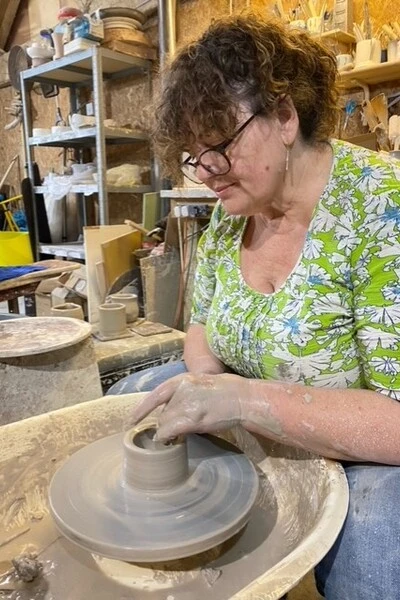
For some people, thumb arthritis starts to affect their ability to work, exercise, create, or enjoy hobbies.
That might mean struggling with manual work, crafts, DIY, teaching, gardening, or other repetitive hand-based tasks. When pain starts limiting the things that matter to you, it may be time to explore treatment options more seriously.
When symptoms are getting worse
Thumb arthritis can progress gradually. If your pain is becoming more frequent, your thumb is getting weaker, or you are relying more on the other hand, it is worth asking whether the condition has moved beyond simple self-management.
When to see a specialist about thumb arthritis
You should consider seeing a specialist if your symptoms are persistent, getting worse, or no longer responding well to non-surgical treatment.
A specialist consultation can help you understand:
whether the pain is caused by arthritis at the base of the thumb
how advanced the joint damage may be
whether surgery is appropriate
which treatment is likely to work best for you.
What a specialist will assess
A hand and wrist specialist will usually ask about your symptoms, how long they have been present, and how they affect your everyday life.
He or she may also examine the thumb, assess movement and grip, and arrange diagnostic imaging (such as X-rays) to confirm the diagnosis and assess the condition of the joint.
Seeing a specialist does not mean you need surgery
It’s worth bearing in mind that having a private consultation does not mean you’re tied into having surgery.
For a start, some patients may not even need surgery. For others, a private consultation may help clarify that surgery now represents the most suitable next step for them.
Either way, a specialist opinion can help you make a more informed decision.
Yes. Many patients with thumb arthritis can manage symptoms without surgery, especially in the earlier stages.
Non-surgical treatment may include:
splints or supports
pain relief medication
anti-inflammatory treatment
hand therapy
activity modification
steroid injections.
When non-surgical treatment may still help
If your symptoms are mild, occasional, or still responding well to treatment, surgery may not be necessary.
The aim of non-surgical treatment is usually to reduce pain, support the joint, and help you stay active for as long as possible.
When non-surgical treatment may no longer be enough
Thumb replacement surgery may be considered when more conservative methods of pain management no longer provide enough relief.
That may be the case if:
symptoms persist
injections only help temporarily
splints are no longer enough
pain is affecting sleep or independence
grip and hand function are clearly deteriorating.
Is thumb replacement surgery suitable for you?
Not everyone with thumb arthritis is suitable for thumb replacement surgery.
A specialist will look at the joint function, nearby joints, and the severity of your symptoms. He or she will also ask about your overall goals before deciding whether thumb joint replacement is the best option for you.
Who may be a good candidate for thumb replacement?
You may be a suitable candidate if you have:
significant arthritis at the base of the thumb
persistent pain despite non-surgical treatment
weakness or reduced function in the thumb
symptoms that are interfering with daily life
joint anatomy that is suitable for an implant.
When another operation may be recommended
In some cases, a trapeziectomy may be the better option.
Trapeziectomy surgery is a common surgical treatment for arthritis at the base of the thumb. It is often recommended when it is more appropriate for the condition of the joint or the patient’s needs.
The right procedure is the one that best matches your symptoms, scans, lifestyle, and long-term hand function goals.
Thumb replacement surgery vs trapeziectomy
Both thumb replacement surgery and trapeziectomy are used to treat arthritis at the base of the thumb, but they are actually different procedures.
What is thumb replacement surgery?
Thumb replacement surgery involves replacing the damaged thumb joint with an artificial implant.
The aim is to relieve pain and help preserve movement and function.
What is trapeziectomy?
Trapeziectomy is an operation that removes the trapezium bone at the base of the thumb to stop painful bone-on-bone contact.
It is a well-established treatment for thumb arthritis and is an effective option for many patients.
Which operation is better?
There is no single best option for everyone. It simply depends on your specific symptoms.
Your consultant will recommend the most appropriate treatment based on the pattern of arthritis, the condition of the joint, and how you use your hand in daily life.
Private thumb replacement surgery: what to expect
If you are considering private treatment, one of the main benefits is speed and clarity.
Practice Plus Group offers private hand and wrist surgery with the following payment options:
self-pay (cover treatment cost via a one-off lump sum)
insured (use existing private medical insurance to cover your treatment costs)
payment plan (spread the cost of your treatment)
Private consultations are available from £145. Expected surgery waiting times for hand and wrist treatment are around 4 to 6 weeks.
Your first consultation
Your first private consultation is a chance to discuss your symptoms, talk about previous treatment, get any diagnostic imaging done, and identify next steps.
You should come away understanding:
the cause of your thumb pain
whether surgery is appropriate
which operation may suit you best
what recovery is likely to involve
what treatment may cost if you are self-paying.
If you are using private medical insurance
If you are planning to use private medical insurance, check your policy covers the procedure beforehand. Once this is confirmed, you’ll be given an authorisation code which allows you to book an initial consultation.
Your insurer may ask for:
a referral
details of your symptoms
a confirmed diagnosis
information about the consultant or hospital
confirmation of the recommended procedure.
It is helpful to clarify what is and is not covered before moving ahead.
If you are paying for treatment yourself
Self-pay can give you fast access to consultations, diagnostics, and surgery without waiting for insurer approval or needing a GP referral.
For patients whose symptoms are getting in the way of everyday life, that speed and certainty can be a major advantage. Practice Plus Group also offers monthly payment plan options across its private patient services.
Thumb replacement surgery recovery
Recovery after thumb replacement surgery varies from person-to-person, but it is important to expect a gradual return to normal activities rather than an instant fix.
The first few weeks after surgery
In the early stages, the thumb will usually need protection and support. You may have dressings, a splint, and follow-up appointments depending on your treatment plan.
It is normal to need to adapt daily activities for a period while the hand settles.
Returning to everyday use
Light daily tasks may return before heavier, more repetitive, or more demanding activities.
How quickly you get back to driving, work, hobbies, or exercise will depend on the type of surgery you’ve had, your recovery progress, and your consultant’s advice.
Recovery is different for everyone
Some patients recover more quickly than others. The most important thing is to follow the aftercare plan, attend follow-up appointments, and allow the thumb time to heal properly.
Questions to ask at your consultation
If you are wondering whether thumb replacement surgery is right for you, it helps to prepare a few questions before your appointment.
You may want to ask a few questions from the following list:
Do I definitely have thumb base arthritis?
How advanced is the damage in the joint?
Do I need surgery now?
Is thumb replacement surgery right for me?
Would a trapeziectomy be a better option?
What are the risks and benefits of each procedure?
What will recovery involve?
How long before I can return to normal activities?
Can I use private medical insurance for this treatment?
What does the self-pay price include?
Get expert advice for thumb pain and thumb arthritis
If thumb pain is starting to affect your grip, movement, and day-to-day life, getting specialist advice can help you understand your options. Whether you are exploring non-surgical treatment, a trapeziectomy, or thumb replacement surgery, a consultation can give you a clearer picture of what is causing your symptoms and what treatment may help.
Practice Plus Group offers private hand and wrist consultations with fast access to specialist assessment through self-pay, insured and payment plan options. Learn more about our private thumb joint replacement service and take the next step towards treatment with confidence.
Not yet found the information you’re looking for? Our thumb replacement surgery FAQs may be able to help.
How do I know if I need thumb replacement surgery?
You may need thumb replacement surgery if pain at the base of the thumb is ongoing, non-surgical treatment is no longer helping enough, and grip, pinch, and daily hand function are getting worse.
What are the signs of arthritis at the base of the thumb?
Common signs include pain at the base of the thumb, weakness, stiffness, tenderness, reduced movement, and difficulty with gripping or pinching.
Can thumb arthritis be treated without surgery?
Yes. Splints, pain relief, hand therapy, activity changes, and injections may help, especially in the early stages.
Is thumb replacement surgery better than trapeziectomy?
Not always. The best procedure depends on your joint, symptoms, lifestyle, and the recommendation of your specialist.
How long does thumb replacement surgery recovery take?
Recovery varies by patient and procedure, but it is usually gradual. Your consultant will explain what to expect based on your treatment plan.
Can I use private medical insurance for thumb replacement surgery?
Many patients can, but it depends on their policy terms and whether a referral or authorisation is needed.
Acknowledgements and clinical review
This page has been medically reviewed and approved by Mr Damien Tucker, Consultant Orthopaedic Surgeon at Practice Plus Group Hospital. He is a GMC-registered consultant surgeon (GMC: 7095252), with over 17 years of clinical experience and is a fellow of the Royal College of Surgeons of England. Mr Tucker performs more than 360 procedures annually and specialises in upper limb conditions.
All content on this page is produced by the Practice Plus Group digital content team and clinically reviewed by consultant specialists to ensure accuracy, patient safety, and alignment with current UK clinical best practice. Content is approved under Practice Plus Group’s clinical governance framework.
Damien Tucker General Medical Council number: 7095252
This page is regularly reviewed and updated to reflect changes in clinical evidence, surgical practice, and patient safety standards. The last clinical review was completed on 9/6/2026, with the next review scheduled for 9/06/2027.
James Wood, Content Specialist
This article was co-written by Content Specialist, James Wood. Our Content Specialist, James, has been writing articles and blogs for Practice Plus Group since 2022. He has more than a decade of experience as a copywriter within a range of different backgrounds and works closely with medical professionals to deliver information that's easy-to-read and patient-focused. When he's not writing medical pieces, James is busy playing sports or pub quizzing.