Rotator cuff repair surgery with Practice Plus Group is available at multiple locations around the country. This keyhole surgery reattaches the tendon to the bone to relieve pain and weakness. Private patients can enjoy short waiting times, excellent quality of care, and treatment tailored to their needs.
At Practice Plus Group, the waiting time for private rotator cuff repair surgery is 4-6 weeks.
NHS waiting times for shoulder surgery can vary significantly depending on location, local demand, imaging requirements, consultant availability, and clinical priority.
Why waiting times can vary with the NHS
high demand for orthopaedic services
availability of diagnostic imaging
consultant and theatre capacity
clinical urgency
complexity of tendon damage.
What is a rotator cuff tear?
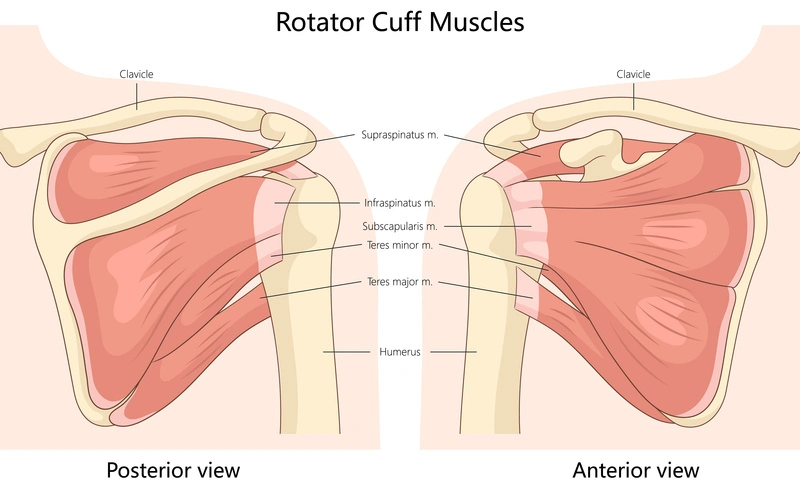
The rotator cuff is a group of four muscles and tendons that surround the shoulder joint. Together, they help stabilise the shoulder and allow you to lift and rotate your arm.
A rotator cuff tear occurs when one or more of these tendons become damaged or detached from the upper arm bone (humerus).
Tears can happen suddenly following an injury or develop gradually through wear and tear over time.
Anatomy overview
The rotator cuff consists of the following tendons:
Supraspinatus
Infraspinatus
Teres minor
Subscapularis.
These tendons attach muscles to the upper arm bone and work together to keep the shoulder stable during movement.
Common causes of rotator cuff tears
Rotator cuff tears generally fall into two categories:
degenerative (wear-and-tear)
traumatic (injury-related).
Degenerative tears – the most common cause
Most rotator cuff tears develop gradually over time, without any single dramatic injury. These are called degenerative tears, and they happen because the tendons naturally weaken as we age.
Common contributing factors include:
age – tendon degeneration is a normal part of aging, and risk rises noticeably after age 50.
repetitive overhead motion – athletes (especially throwers and swimmers) and workers who do a lot of overhead lifting or reaching — painters, carpenters, warehouse workers — put repeated stress on the rotator cuff.
shoulder impingement – bone spurs can rub against the tendon over time, gradually fraying it.
reduced blood supply – blood flow to the rotator cuff tendons naturally decreases with age, which slows healing and makes tendons more prone to damage.
posture and biomechanics – poor shoulder mechanics over years of use can add extra wear.
Traumatic tears – a smaller but significant cause
A smaller share of tears happen suddenly, usually due to an injury such as a fall onto an outstretched arm, lifting something too heavy, or a shoulder dislocation. These traumatic tears tend to look a bit different to degenerative ones in the following ways:
they’re more common in younger, active patients, and in men
symptoms appear suddenly and clearly, rather than building up gradually.
Who is rotator cuff repair surgery for?
Rotator cuff repair surgery may be recommended if symptoms (laid out in the next section) persist despite conservative treatment.
You may benefit from surgery if:
you have ongoing shoulder pain
arm weakness is affecting daily activities
a tendon tear is confirmed following diagnostic imaging
physiotherapy has not improved symptoms
you have suffered an acute tendon injury
shoulder function continues to deteriorate.
Signs and symptoms – when to seek treatment
You may benefit from a shoulder assessment with a specialist if you experience:
persistent shoulder pain
pain when lifting the arm
weakness when reaching overhead
night pain is affecting sleep
clicking or catching sensations
reduced range of motion
difficulty dressing or washing.
When to seek urgent medical advice
You should seek urgent medical assessment if you experience:
The information below details the range of shoulder treatments offered at Practice Plus Group.
Arthroscopic (keyhole) rotator cuff repair
This is the most common surgical approach.
Who it’s for
Patients with symptomatic tendon tears that have not improved with conservative treatment.
How it works
Small incisions are made around the shoulder. A camera and specialised instruments are passed through these incisions and used to repair the torn tendon and reattach it to the bone.
How long it takes
Usually between 60–120 minutes.
Anaesthesia
The surgery is mostly performed under general anaesthetic and is often combined with a nerve block.
Hospital stay
Most patients are able to return home the same day as their surgery.
Recovery time
Recovery can take several months depending on the size of the tear and individual healing.
Non-surgical options
Not all rotator cuff tears require surgery immediately. Instead of surgery, your consultant may recommend:
physiotherapy sessions
activity modification
pain relief medication
steroid injections
strengthening exercises.
Benefits of rotator cuff repair surgery
Rotator cuff repair surgery may help:
reduce shoulder pain
improve shoulder strength
restore movement
improve shoulder stability
improve sleep quality
support return to work and playing sport
improve your quality of life.
Many patients experience significant improvements in shoulder function following successful repair and rehabilitation.
Risks and complications of rotator cuff surgery
As with any operation, rotator cuff repair surgery carries risks.
Potential complications of the procedure include:
infection
bleeding
shoulder stiffness
nerve injury
blood clots
ongoing pain
failure of tendon healing
re-tearing of tendon
the need for further surgery.
How risks are reduced
However, with that said, the risks outlined above can be mitigated by:
a comprehensive pre-operative assessment
consultant-led care
use of modern surgical techniques
physiotherapy and rehabilitation support
following clear post-operative guidance.
What to expect before, during, and after surgery
The following information outlines the steps you can take to prepare for your surgery, what to expect on the day, and what your recovery timeline might look like.
Preparing for rotator cuff repair surgery
Before surgery, you’ll attend a consultation where your specialist will conduct a thorough pre-operative assessment.
During this time, your consultant may arrange for:
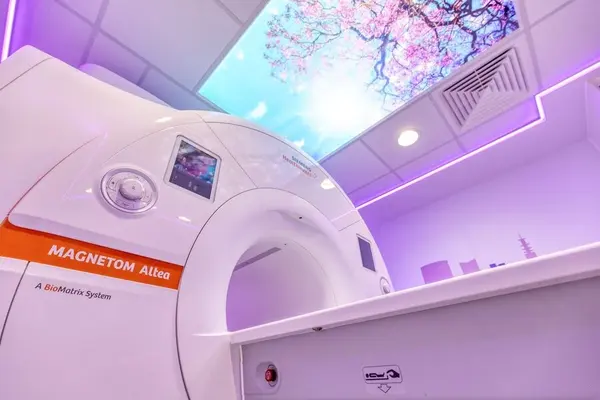
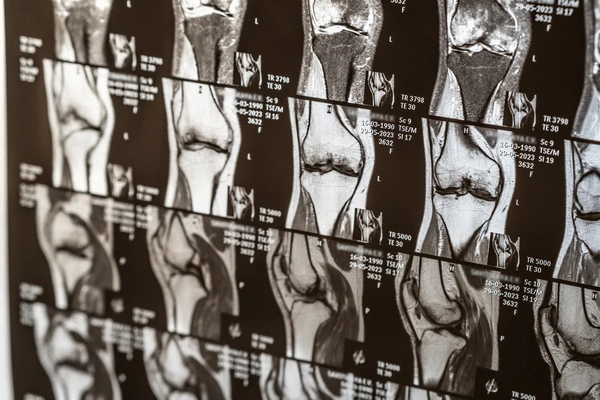
MRI scans
Ultrasound imaging
X-rays
Blood tests.
Practical preparation tips
In the days before your surgery, you should:
arrange for someone to take you home afterwards
make sure you’ve got loose-fitting clothing to wear
plan support for the first few days (e.g. shopping, cleaning etc)
follow fasting instructions
discuss any current medications with your consultant.
How is rotator cuff repair surgery performed?
During the surgery, a small camera is inserted into the shoulder joint through tiny incisions.
Specialised instruments are then passed through these incisions and used to:
remove damaged tissue
prepare the tendon attachment site
reattach the torn tendon to the bone using anchors.
How long does surgery take?
Most procedures take between 60-120 minutes.
How long will I stay in hospital?
Most patients can return home on the same day as their operation.
Rotator cuff repair recovery timeline
Before you read the recovery timeline below, remember this is just a guide. Patients will heal and recovery at different rates depending on their age, general health, and the severity of their shoulder condition.
0-2 weeks
wear a sling
pain and swelling are common
begin gentle exercises if advised
protect the repair.
2-6 weeks
continue wearing the sling as directed
begin physiotherapy programme
gradual improvement in comfort.
6-12 weeks
increase shoulder movement
continue strengthening exercises
gradually return to light daily activities.
3-6 months
progressive strengthening
return to many normal activities
ongoing improvement in function.
Long-term recovery
Full recovery can take 6–12 months depending on the size of the tear and your rehabilitation programme.
The rotator cuff repair surgery patient journey: step-by-step
Private rotator cuff surgery costs in the UK vary depending on the following factors:
the size of the tear
surgical technique used
location of the hospital
the complexity of the repair
At Practice Plus Group, the prices are as follows:
Initial consultation: £145
Rotator cuff repair surgery: £5,749
Why choose Practice Plus Group?
At Practice Plus Group Hospitals we’re passionate about giving patients a positive experience and excellent clinical outcomes, with personalised care every step of the way. Whether you’re paying for yourself or using private medical insurance, with our short waiting times, unrivalled Care Quality Commission (CQC) ratings and high levels of cleanliness and infection control, we’ll make sure you’re looked after. In fact, we were the first provider to have all services rated ‘Good’ or ‘Outstanding’ by the CQC.
Acknowledgements and clinical review
This page has been medically reviewed and approved by Mr Damien Tucker, Consultant Orthopaedic Surgeon at Practice Plus Group Hospital. He is a GMC-registered consultant surgeon (GMC: 7095252), with over 17 years of clinical experience and is a fellow of the Royal College of Surgeons of England. Mr Tucker performs more than 360 procedures annually and specialises in upper limb conditions.
All content on this page is produced by the Practice Plus Group digital content team and clinically reviewed by consultant specialists to ensure accuracy, patient safety, and alignment with current UK clinical best practice. Content is approved under Practice Plus Group’s clinical governance framework.
Damien Tucker General Medical Council number: 7095252
This page is regularly reviewed and updated to reflect changes in clinical evidence, surgical practice, and patient safety standards. The last clinical review was completed on 9/6/2026, with the next review scheduled for 9/06/2027.
Rotator cuff repair surgery FAQs
Struggling to find the information you’re looking for? Our Rotator cuff repair surgery FAQs may be able to help!
What is rotator cuff repair surgery?
Rotator cuff repair surgery reattaches a torn shoulder tendon to the upper arm bone. It is designed to improve strength, movement, and function.
How long does rotator cuff surgery take?
Most procedures take between 60-120 minutes depending on the complexity of the tear.
Is rotator cuff repair surgery painful?
You will not feel pain during surgery because general anaesthetic is used. Some discomfort during recovery is normal and can be managed with medication and physiotherapy.
How long does recovery take after rotator cuff repair surgery?
Recovery varies, but many patients continue improving for 6–12 months after surgery.
Will I need physiotherapy after surgery?
Yes. Physiotherapy is a key part of recovery and helps restore shoulder movement and strength.
How long will I need to wear a sling?
Many patients wear a sling for several weeks after surgery, depending on the size and location of the tear.
Can a rotator cuff tear heal without surgery?
Some partial tears can be managed without surgery, but larger tears or persistent symptoms may require surgical repair.
When can I drive after rotator cuff surgery?
You should only drive when your consultant advises it is safe and you can fully control the vehicle.
Can a repaired rotator cuff tear again?
Yes. Although surgery is often successful, a repaired tendon can re-tear
What happens if a rotator cuff tear is left untreated?
Untreated tears may worsen over time and can lead to increasing pain, weakness, and reduced shoulder function.
I very much appreciate the passion and attentiveness of you and your caring staff at [Practice Plus Group Surgical Centre, St Mary’s Portsmouth].
by Florence
Incredible
I can not speak more highly of the staff here. Everybody I dealt with and saw with others were incredible, be it the surgeon or bed chaperones.
by Chris Turner, Google
Devizes – very pleasant experience
Lovely people, kind and considerate to old fools such as myself (85). Very pleasant experience, considering l was petrified.
by Peter Dixon, Google
Really felt looked after
Staff were absolutely fantastic, really felt looked after. I was nervous about my procedure and the staff were reassuring and kind.
Procedure was smooth and painless. Many thanks all!
by Hugh Jego, Google
Southampton – well organised from start to finish
Well organised from start to finish. Staff so friendly & reassuring. Excellent facilities & a really personal service provided.
by John Telcot, NSRF Specialists
1 / 5
News and blogs
You’ll find a wealth of information in our knowledge hub.