What is endometriosis? Symptoms, diagnosis, and treatment
While there’s currently no known cure for endometriosis, there are several options when it comes to treating the condition.
In this article, we explore what these treatment options are, how they can help manage the symptoms, and how a non-invasive saliva test offered by Practice Plus Group could provide you with a fast and accurate diagnosis.
Private endometriosis treatment at a glance
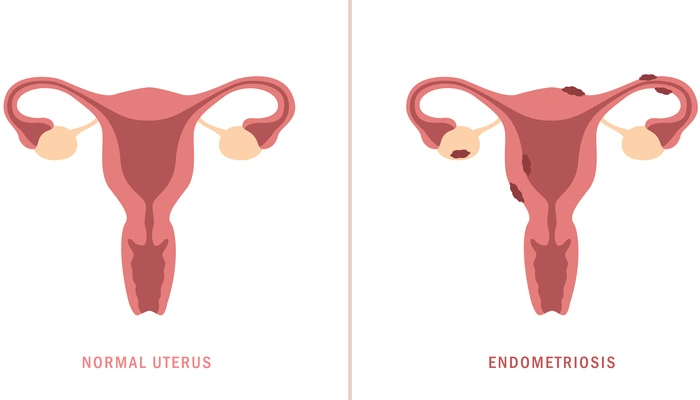
Endometriosis is a condition where tissue similar to the womb lining grows outside the uterus. This can cause inflammation, pain, fatigue, heavy periods, and fertility problems.
Diagnosis can be challenging and may involve tests such as the saliva-based Ziwig test. Treatment focuses on managing symptoms with medication or, in more severe cases, surgery.
Endometriosis is a condition where cells and tissue, similar to those lining the womb start to grow outside of the uterus. This tissue most commonly grows in the pelvic area but can also occur in the fallopian tubes, ovaries, bladder, bowel, and even in the chest.
Symptoms occur when patches of these cells and tissue break down, bleed as part of the menstrual cycle, but has no way of leaving the body. The result of this is inflammation, the build-up of scar tissue, and internal discomfort. The condition is often painful, but the levels of pain and discomfit vary from person-to-person.
Endometriosis typically affects girls and women from when their periods start and can last through to menopause.
What are the symptoms of endometriosis?
The symptoms of the condition can occur at any time but there are specific ones to watch out for. For example, during a regular menstrual cycle these can include:
severe period pain
periods with heavy bleeding.
Whereas symptoms that can occur at any time include experiencing pain:
during or after sex
when opening the bowels
in your back or pelvic area
in the chest.
Women experiencing endometriosis have also reported feeling extreme tiredness and fatigue and difficulty getting pregnant.
How is endometriosis diagnosed?
Endometriosis can be a difficult condition to diagnose because the symptoms are very similar to other conditions such as fibroids, IBS, and adenomyosis. Because of this, patients may need several tests to arrive at an accurate diagnosis.
At Practice Plus Group, we offer something called a Ziwig endometriosis test. It is a non-invasive saliva test designed to provide accurate diagnosis of endometriosis without the need for physical examinations or diagnostic imaging.
During your initial consultation, a specialist will discuss with you your specific symptoms and how they impact your everyday life.
You’ll also be asked to talk about your general health and family medical history. This helps the consultant build a fuller picture of your condition and arrive at an accurate diagnosis.
Your specialist will also need to carry out a physical examination. It is likely this will involve an internal vaginal exam along with examination of the abdomen and pelvic area.
At Practice Plus Group, we understand this can be a highly sensitive subject. As such, we strive to uphold the privacy and preserve the dignity of all our patients and ensure the option of having a female assessor is always available.
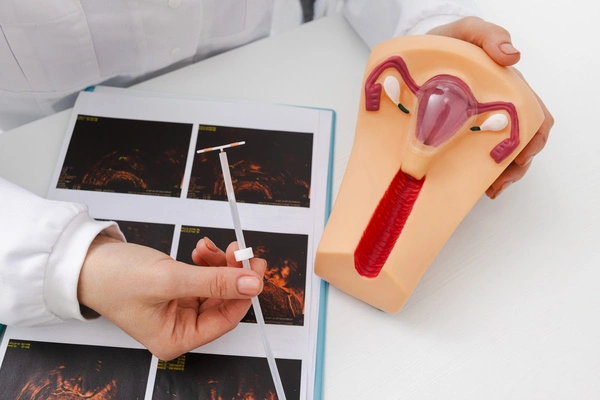
If a physical examination has not been sufficient to diagnose endometriosis, the consultant may ask for further investigation. This may come in the form of diagnostic imaging which, in turn, may include an MRI scan or an ultrasound scan. An ultrasound will detect any ovarian cyst with endometriosis but may not detect small nodules or scarring tissue. An MRI scan is a much better way of detecting endometriosis.
At Practice Plus Group, the Ziwig endometriosis test is available at our Somerset hospital. The test is saliva based and has been designed to offer a non-invasive option to providing an accurate endometriosis diagnosis.
The test costs £1,200 and is available at Practice Plus Group Hospital, Shepton Mallet.
How is endometriosis treated?
While there is no known cure for endometriosis, there are several options patients can explore that help to manage the condition.
Pain management: treatment for symptoms of pain usually come in the form of painkillers such as paracetamol or ibuprofen. These are available over the counter at many pharmacies and supermarkets.
Hormonal treatment: another option that can help manage painful symptoms is to treat your hormonal balance. As with pain management, these typically come in the form of medication and are designed to alter the number of hormones in your body. It’s not advisable to start hormonal treatment for endometriosis if you’re trying to get pregnant.
Need to book a consultation?
Avoid long waiting lists. Book time with a specialist today.
Surgery is often considered to treat endometriosis in the event other more conservative treatments have failed, the symptoms are persistent or getting worse, and your quality of life is being affected.
Other scenarios where surgery may be recommended include:
when endometriosis is occurring in multiple different places
the condition is affected the ability to get pregnant
the womb or ovaries needing to be removed because of the condition.
Cost of private endometriosis treatment in the UK
At Practice Plus Group, endometriosis surgery costs £3,649 (plus for the initial consultation). In the event an accurate diagnosis isn’t initially reached, the consultant may recommend further tests and investigation. This will likely come in the form of an MRI or ultrasound scan which will incur further costs.
At Practice Plus Group, the Ziwig endometriosis test is available at our Somerset hospital. The test is saliva based and has been designed to offer a non-invasive option to providing an accurate endometriosis diagnosis.
The test costs £1,200 and is available at Practice Plus Group Hospital, Shepton Mallet.
Recovery after endometriosis surgery
The time it takes to recover from endometriosis surgery depends on various factors. First, it depends on the severity of the condition and whether the endometriosis was developing in more than one area.
Recovery timings are also dependent on your age and general health, alongside the type of surgical approach using during the procedure.
Typically, recovery from open repair endometriosis surgery takes longer to recover from than keyhole. This is because during open repair, a larger incision is made in the abdomen.
Returning to work: often patients with desk-based roles can return to work after around 2-3 weeks. More manual jobs will require a longer lay-off, typically up to 8 weeks.
Driving: most patients find they can get back behind the week a couple of weeks after surgery. You’ll need to be able to perform an emergency stop and look over your shoulder without feeling pain.
Book private endometriosis treatment at Practice Plus Group
If endometriosis symptoms are affecting your sleep, work or day-to-day life, you don’t have to simply put up with them.
An initial consultation with a gynaecology specialist can help establish what’s causing your symptoms, whether surgery is necessary and which treatment option may be most suitable for you.
A private consultation at Practice Plus Group costs £145.
Still haven’t found the information you’re looking for? Perhaps our FAQs can help!
Yes, there are more conservative options you can explore to help manage the condition. These include hormone medication to help alter the number of hormones in your body, and over the counter painkillers.
Unfortunately, yes. Some of the reasons endometriosis can return include fresh growth or the residual traces of the condition remaining, and the continuation of the menstrual cycle.
Yes, the condition can cause or contribute to infertility. It’s estimated that between 30% to 50% of women struggling to conceive have endometriosis.
Yes. If physical examinations of the abdomen and vagina prove inconclusive, your consultant may recommend diagnostic imaging. This may come in the form of an ultrasound scan or MRI scan for endometriosis.
Yes, one of the reported symptoms of endometriosis includes extreme fatigue and tiredness. Other include heavy bleeding and severe pain while on your period, and pain while using the toilet or during sex.
Check if we acceptyour insurer
How to get started
1
Get referred – Ask your GP to refer you to us.
2
Confirm cover – Contact your insurer to check your cover.
3
Get authorisation – Ask your insurer for a code.
4
Get booked in – Contact us to book your consultation.
James Wood, Content Specialist
This article was co-written by Content Specialist, James Wood. Our Content Specialist, James, has been writing articles and blogs for Practice Plus Group since 2022. He has more than a decade of experience as a copywriter within a range of different backgrounds and works closely with medical professionals to deliver information that's easy-to-read and patient-focused.