Birmingham
Procedure |
Price |
|---|---|
£9995 |
Ferdie Aurea
Nurse Endoscopist

Ferdie Aurea
Nurse Endoscopist




Aquablation of prostate is a minimally invasive surgical procedure that is used to reduce the size of the prostate tissue to allow for better urine flow. It is available at selected Practice Plus Group Hospital locations via self-pay, private medical insurance, or NHS.
97%
of patients would RECOMMEND US
5000+
procedures carried out LAST MONTH
Procedure |
Price |
|---|---|
£9995 |
Procedure |
Price |
|---|---|
£9995 |
Aquablation therapy is a minimally invasive surgical treatment for an enlarged prostate. It uses a precisely controlled waterjet, guided by ultrasound imaging and robotic technology, to remove excess prostate tissue that is restricting the flow of urine.
At Practice Plus Group, we offer aquablation prostate surgery as a treatment option for men experiencing urinary symptoms caused by an enlarged prostate. Our team can help you understand the procedure, what to expect during recovery and the treatment options available to you.
Aquablation is a type of prostate surgery used to treat benign prostatic hyperplasia (BPH), also known as benign prostate enlargement. This is a non-cancerous condition in which the prostate gland grows larger and can press against the urethra, the tube that carries urine out of the body.
An enlarged prostate can make it difficult to pass urine and may cause symptoms such as:
Aquablation treatment aims to remove the excess prostate tissue causing the obstruction, helping urine to flow more freely and improving urinary symptoms.
Aquablation therapy combines real-time ultrasound imaging with a high-pressure waterjet to remove excess prostate tissue accurately.
Unlike treatments that rely on heat to destroy or remove tissue, aquablation uses a waterjet to remove the tissue identified for treatment. Ultrasound imaging helps the surgeon map the prostate and plan the procedure according to its size and shape.
The aim is to relieve pressure on the urethra while preserving surrounding structures as carefully as possible.
Your consultant will assess your symptoms, prostate size and overall health to determine whether aquablation is a suitable treatment for you.
Aquablation may offer several potential benefits for men with urinary symptoms caused by an enlarged prostate.
Improved urinary flow
By removing excess tissue that obstructs the urethra, aquablation aims to improve urine flow and make passing urine easier.
Relief from urinary symptoms
Treatment may help reduce symptoms such as frequent urination, getting up during the night to urinate and difficulty emptying the bladder.
Precisely planned treatment
The combination of ultrasound imaging and robotic-assisted waterjet technology allows the surgeon to plan tissue removal according to the individual shape and size of the prostate.
A heat-free treatment approach
Aquablation uses a waterjet rather than heat to remove prostate tissue.
Potential to preserve sexual function
Aquablation may offer advantages for preserving aspects of sexual function compared with some other surgical treatments for an enlarged prostate. However, outcomes vary, and changes to ejaculation or sexual function can still occur.
Your consultant will explain the potential benefits and limitations of aquablation and discuss how it compares with other suitable treatments.
Aquablation is carried out in hospital under anaesthesia. The procedure generally involves the following steps:
Your consultant will explain what to expect before your operation, including whether you are likely to need an overnight stay and how long you may need a catheter.
As with any surgical procedure, aquablation carries potential side effects and risks. Your individual risk will depend on factors such as your health, prostate size and medical history.
Possible side effects and complications include:
Not everyone experiences these side effects, and their likelihood and severity can vary.
Your consultant will discuss the potential risks, expected outcomes and alternative treatment options with you before you decide whether to proceed.
Recovery after aquablation surgery varies from person to person. It depends on factors including your general health, the size of your prostate and how your body responds to treatment.
You will be monitored after surgery, and you may need a urinary catheter for a short period to allow your bladder to drain while you recover. The catheter is removed when your clinical team considers it appropriate.
You may experience some blood in your urine, urinary urgency, increased frequency or discomfort when passing urine during the initial recovery period. These symptoms should improve as healing progresses.
Many men can gradually return to their usual daily activities over the following weeks, but recovery times vary. You may need to avoid strenuous exercise, heavy lifting and sexual activity for a period advised by your consultant.
Improvements in urinary symptoms may become noticeable over the first few weeks, with further improvement as recovery continues.
Your clinical team will provide personalised advice about returning to work, driving, exercise and other activities, as well as any follow-up appointments you need.
At Practice Plus Group, we want to help you explore the right treatment option for your needs.
Aquablation treatment is available through the following funding routes:
Self-pay: If you are paying for your own treatment.
Private medical insurance: If you have private medical insurance, your policy may cover aquablation treatment, subject to your insurer’s terms and authorisation.
NHS: NHS treatment may be available where the procedure is commissioned and appropriate for your circumstances. Availability depends on local arrangements and eligibility.
Monthly payment plans: Monthly payment plans are available to help spread the cost of eligible private treatment, subject to the terms and eligibility criteria of the finance provider.
Contact Practice Plus Group to discuss your options and find out whether aquablation treatment is available to you.
At Practice Plus Group Hospitals we’re passionate about giving patients a positive experience and excellent clinical outcomes, with personalised care every step of the way. Whether you’re paying for yourself or using private medical insurance, with our short waiting times, unrivalled Care Quality Commission (CQC) ratings and high levels of cleanliness and infection control, we’ll make sure you’re looked after. In fact, we were the first provider to have all services rated ‘Good’ or ‘Outstanding’ by the CQC.


Dr Hilary Jones
Birmingham hip surgery patient


Emma Beadman
Plymouth knee surgery patient


Karen Hardy
Barlborough knee surgery patient


Michael Flack
Shepton knee surgery patient
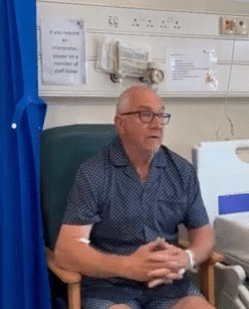

Tony Wakeling
Ilford knee surgery patient


Sue Bateman
Emersons hip surgery patient


Val Stones
Shepton hip surgery patient


Mel Baddick
Plymouth knee surgery patient


Jennie Peace
Shepton knee surgery patient


Derrick Charles
Ilford hip surgery patient


Stuart Slater
Ilford hip surgery patient


Madalina Lordache
Southampton general surgery patient
5,000+

treatments carried out last month
Outstanding

or 'Good' ratings by CQC
100%

clean record for hospital acquired infections
97%

of patients recommend Practice Plus Group

Affordable options for funding your own treatment.
With our option of paying for yourself you’ll get high quality, consultant-delivered care without the unnecessary extras. It’s excellent value for money, with no compromise on clinical outcomes.
Hassle free treatment for patients with private medical insurance.
Whether you have your own private health insurance or are covered through your employer, receive expert hospital treatment at Practice Plus Group.
Spread the cost of your treatment with our flexible self-pay payment plans. With 0% interest finance available on eligible procedures, you can access the care you need without paying the full cost upfront.
You’ll find a wealth of information in our knowledge hub.