Hip pain at night: causes, relief, and when to get it sorted
6–9 minutes
We’ve all been there: tossing and turning in bed, unable to get off to sleep. For lots of people, sleep-stealing culprits range from an over-active mind to full-blown insomnia. But for others, it’s hip pain that keeps them up at night.
In this guide, we’ll explain the common causes of hip pain, what you can try at home, and when it may be time to speak to a specialist. If your symptoms are not improving, getting answers sooner can help you move forward with confidence.
Hip pain often feels worse at night. This is typically due to stiffness, sleeping position, or underlying conditions such as arthritis, tendon problems, or referred back pain. This makes proper assessment important if symptoms persist. Treatment ranges from simple self-care and physiotherapy to surgery, with private care offering faster diagnosis, shorter waiting times, and personalised treatment plans.
Why does hip pain fee worse at night?
There are actually a few reasons for this.
The first is that during the day, movement and distractions can take your focus away from discomfort. At night, when everything is quieter, pain becomes more noticeable.
Staying still for long periods can also lead to stiffness. If the hip joint or surrounding tissues are already irritated, this can make symptoms worse when you lie down.
Sleeping position plays a role too. Lying on your side puts pressure directly on the hip, which can aggravate sensitive tissues.
Where is your hip pain coming from?
The location of your pain can give helpful clues as to the real source of the problem:
pain on the outside of the hip is often linked to irritation of tendons or soft tissues.
pain deep in the groin is more likely to come from the hip joint itself, such as arthritis.
pain in the buttock or down the leg may be related to the lower back or nerves.
If you are unsure, a proper assessment can help identify the cause more clearly.
Sometimes the problem is not just the hip itself – it’s the position you are putting it in overnight.
If you sleep on your side, your body weight rests directly over the hip, compressing it. That can aggravate painful tendons or inflamed soft tissues and make it hard to stay comfortable for long.
Poor alignment can strain the hip and lower back. Your hips, pelvis, and lower back all work together. If your top leg drops forward while side sleeping, or your pelvis twists during the night, this can put more strain on the hip.
An unsupportive mattress can make things harder
A mattress that is too firm can create pressure points. One that is too soft can let your body sink unevenly. Either way, your hip may end up under more strain than it needs to be.
Staying still too long can trigger stiffness
Even if you fall asleep comfortably, lying in one position for hours can cause the joint or surrounding tissues to stiffen up. That is why some people wake in the early hours feeling worse than they did at bedtime.
While these patterns are helpful, symptoms can overlap. A proper assessment is the best way to confirm the cause.
“You should look to get the issue sorted professionally if the pain persistently disrupts your sleep for more than a few weeks or begins to limit your normal daytime mobility and walking.”
Ferenc Toth, Consultant Orthopaedic Surgeon, Practice Plus Group Hospital, Barlborough
Common causes of hip pain at night
It’s important to remember that hip pain at night is a symptom rather than a diagnosis. Several different conditions can cause it.
Hip osteoarthritis: a common cause in adults over 50. The joint becomes worn, leading to stiffness, aching, and disturbed sleep.
Greater trochanter pain syndrome: pain on the outside of the hip, often worse when lying on that side.
Sciatica or referred pain: pain coming from the lower back can feel like hip pain and may travel down the leg.
Tendon or muscle irritation: overuse or weakness can lead to pain that becomes more noticeable at rest.
Other causes of night hip pain
Less common causes may also need to be considered. These can include:
inflammatory conditions (e.g. arthritis) can cause pain that is worse after rest
nerve irritation may lead to sharp, burning, or tingling pain
structural issues inside the hip joint can cause catching or deep discomfort
bone-related problems such as stress fractures may be involved (this is rare).
This is why assessment matters – especially if symptoms persist, worsen or do not fit a clear pattern.
Sometimes hip pain settles on its own over time following a period of rest and a few simple changes. However, this isn’t always the case. You should seek medical advice if:
pain lasts more than a few weeks
night pain keeps waking you up
stiffness, limping, or reduced mobility
red flag symptoms (e.g. severe pain after a fall, inability to bear weight, fever, unexplained weight loss, general feeling of being unwell).
How hip pain at night is diagnosed
During a consultation, a specialist will assess your movement, examine the hip and surrounding areas, and determine whether the pain is likely originating from the joint, soft tissues, or another source.
If needed, imaging such as X-rays, CT, or MRI scans can help confirm the diagnosis.
Once the cause is identified, treatment becomes much easier to tailor. That means less guesswork and a clearer route forward.
How to relieve hip pain at night
Simple changes can sometimes make a meaningful difference. There are simple steps that may help reduce discomfort.
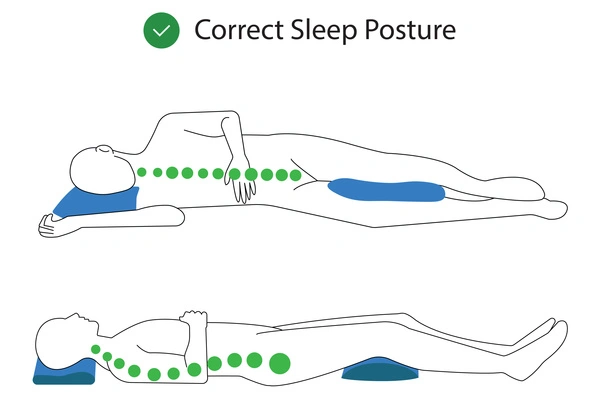
Try sleeping on your back or placing a pillow between your knees when lying on your side. This can reduce pressure on the hip.
Avoid lying directly on the painful side if possible.
Using heat before bed may help relax muscles, while ice can reduce inflammation after activity. Gentle movement during the day can also help prevent stiffness building up overnight.
“Waking up with hip pain can completely disrupt your rest, and it’s a very common complaint I see in clinic. For immediate relief at home, changing your sleep posture is a highly effective first step.”
Ferenc Toth, Consultant Orthopaedic Surgeon, Practice Plus Group Hospital, Barlborough
Treatment options for hip pain
Many causes of hip pain can be managed effectively without surgery. Among the non-surgical options include:
physiotherapy
medication
injections
lifestyle changes
surgical opinion (where needed).
When surgery might be considered
Surgery is not the starting point for everyone – but it can be life-changing for the right patient.
Hip surgery is usually only considered if other treatments have not been effective.
It may be the best course of action for you if:
pain is severe and ongoing
sleep is consistently disrupted
mobility is significantly reduced.
What happens during a private hip consultation?
For many people, the biggest relief is simply getting proper answers. A private consultation gives you time to fully understand your symptoms.
You will be assessed by a specialist, with access to diagnostic imaging if needed, and given a clear explanation of your diagnosis and treatment options.
This can help you move forward with confidence, knowing exactly what is causing the problem and what can be done.
Why choose Practice Plus Group private hip surgery?
Not everyone needs private care, but for some people it can make the whole process feel much simpler.
Struggling to find the information you’re looking for? Our dedicated night time hip pain FAQs can help!
Why does my hip hurt more at night?
Pain often feels worse at night due to:
– pressure on the joint – stiffness after rest – fewer distractions.
Is hip pain at night serious?
It can be, especially if it’s persistent or getting worse. Many causes are treatable, but it is worth getting checked.
What is the best sleeping position for hip pain?
Sleeping on your back or with a pillow between your knees can help reduce strain.
When should I seek help?
If pain lasts more than a few weeks, affects sleep, or limits movement.
Will I need surgery?
Not always. Many people improve with non-surgical treatment, but surgery may be an option if symptoms are severe.
Acknowledgements and clinical review
This page has been medically reviewed and approved by Mr Ferenc Toth, Consultant Orthopaedic Surgeon at Practice Plus Group Hospital, Barlborough. He graduated from the Medical University of Pecs, Hungary in 1991 and has more than 33 years of experience. Mr Toth specialises in hip and knee replacements, knee arthroscopy and carpal tunnel surgery. He is a regular speaker at international congresses and has published numerous internaltonal journal articles.
All content on this page is produced by the Practice Plus Group digital content team and clinically reviewed by consultant specialists to ensure accuracy, patient safety, and alignment with current UK clinical best practice. Content is approved under Practice Plus Group’s clinical governance framework.
Ferenc Toth, General Medical Council number: 6114661
This page is regularly reviewed and updated to reflect changes in clinical evidence, surgical practice, and patient safety standards. The last clinical review was completed on 9/6/2026, with the next review scheduled for 9/06/2027.
James Wood, Content Specialist
This article was co-written by Content Specialist, James Wood. Our Content Specialist, James, has been writing articles and blogs for Practice Plus Group since 2022. He has more than a decade of experience as a copywriter within a range of different backgrounds and works closely with medical professionals to deliver information that's easy-to-read and patient-focused. When he's not writing medical pieces, James is busy playing sports or pub quizzing.