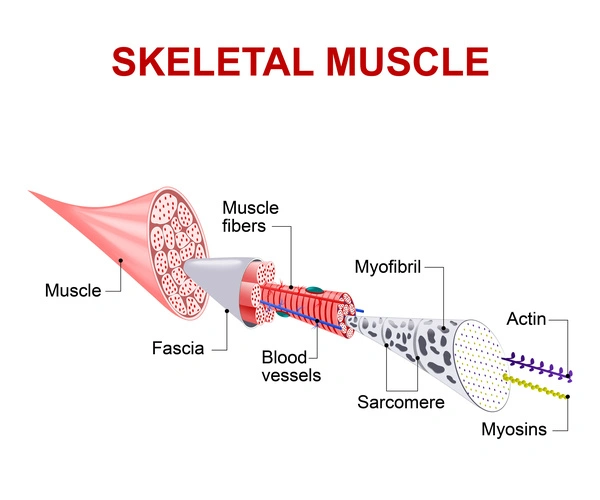
This procedure sees the removal of parts of the fascia (the tough, connective tissue that wraps around muscles, blood vessels, and nerves) Our experienced hand and wrist specialists provide expert care for self-pay, private medical insurance and NHS patients, supporting you throughout your treatment and recovery.
Fascia surgery involves treating or removing abnormal thickening or tightening of fascia tissue.
Fascia is connective tissue found throughout the body that surrounds muscles, tendons and other structures. In the hand, fascia problems can cause fingers to bend toward the palm. This restricts movement and affects grip strength.
Dupuytren’s contracture causes tissue beneath the skin of the palm to thicken and tighten over time. This may gradually pull one or more fingers into a bent position.
Symptoms include:
thickened tissue in the palm
small lumps or nodules
tight cords under the skin
difficulty straightening fingers
reduced grip or hand function.
Anatomy overview
The fascia layer in the palm helps support the skin and soft tissues of the hand. In some conditions, the fascia thickens and contracts, restricting finger movement.
Who is fascia surgery for?
Fascia surgery may be suitable for people whose hand movement is affected by tightening or thickening of connective tissue.
The information set out below illustrates the different types of fascia treatment that could be available to you.
Non-surgical treatment options
Not all cases require surgery immediately. Instead, your consultant may recommend:
monitoring mild symptoms
stretching exercises
splints in selected cases
needle procedures
steroid injections where appropriate.
Fascia surgery
Surgery may be recommended if finger contracture is affecting hand function.
Who it’s for
People with moderate to severe hand contractures caused by thickened fascia tissue.
How it works
The surgeon removes or releases thickened fascia tissue to improve finger movement.
How long it takes
Most procedures take around 30–60 minutes depending on complexity.
Anaesthesia
Fascia surgery is usually carried out under local, regional or general anaesthetic.
Hospital stay
Most patients go home the same day.
Recovery time
Recovery depends on the severity of the contracture and the exact procedure performed. Hand therapy may be recommended after surgery.
Benefits of fascia surgery
Having fascia surgery may help you to:
improve finger movement, grip, and hand function
reduce hand tightness
make everyday tasks easier
improve confidence using the hand
slow worsening contracture.
Many fascia surgery patients report improved hand function following recovery.
Risks and complications of fascia surgery
While fascia surgery is generally considered to be low risk, as with any operation, there are some risks. These include:
infection
bleeding
swelling
scarring
stiffness
nerve irritation or numbness
delayed healing
recurrence of contracture
ongoing hand discomfort.
How risks are reduced
The following steps can help to mitigate the risks of fascia surgery:
thorough consultant assessment
experienced hand surgery teams
infection prevention measures
wound care advice
rehabilitation support where needed
Seek urgent medical advice after surgery if you experience:
severe swelling
fever
increasing redness
wound discharge
sudden worsening pain.
What to expect before, during, and after surgery
If your consultant has indicated that having fascia surgery is the best option for you, you’ve probably got a lot of questions. The information below sets out how to prepare, looks at the procedure itself, and explores what you can expect from your recovery.
Preparing for fascia surgery
Before any surgery can take place, you’ll need to attend a consultation with a specialist. During this session, the consultant will run physical tests and ask medical questions to determine if surgery is the best course of action.
Your consultant may assess:
finger movement
grip strength
hand function
severity of contracture
your general health.
Practical preparation tips
If surgery is deemed the best option for you, you’ll need to consider the following in the days and weeks beforehand:
arrange transport to and from the hospital
plan support for the first 24 hours
follow fasting instructions carefully
discuss medications with your consultant
prepare for temporary reduced hand use.
How is fascia surgery performed?
Your surgeon makes an incision in the palm or affected finger area to remove or release abnormal fascia tissue.
The aim is to improve your ability to straighten your finger and hand function while protecting surrounding nerves and tendons.
How long does surgery take?
Most procedures take between 30-60 minutes.
How long will I stay in hospital?
Most fascia surgery procedures are carried out as day-case surgery.
Fascia surgery recovery timeline
Take a look at the information below to learn about what you can expect from your recovery.
The first few days
return home the same day as surgery
hand swelling and soreness are common
keep dressings clean and dry
elevate the hand where advised
Weeks 1-2
dressings may be changed
gentle hand movement exercises may begin
light activities may resume gradually
Weeks 3–6
hand function should gradually improve
hand therapy may continue
return to some work activities may be possible
Weeks 6–12
continue strengthening and movement exercises
swelling and stiffness should continue improving
return to heavier activities gradually.
Long-term recovery
Recovery varies depending on the severity of the condition and whether multiple fingers were treated.
It’s important to remember that everyone heals at different rates depending on your age, general health, and the severity of your condition.
Not yet found the information you’re looking for? Our fascia surgery FAQs could help.
What is fascia surgery?
Fascia surgery involves releasing or removing thickened connective tissue affecting movement and hand function.
What conditions can fascia surgery treat?
It is commonly used to treat Dupuytren’s contracture and other conditions involving tight or thickened fascia tissue.
Is fascia surgery painful?
The operation itself should not be painful because anaesthetic is used. Some soreness and swelling are normal during the recovery period.
How long does recovery take after fascia surgery?
Recovery varies depending on several different factors, including the severity of the condition, the age and general health of the patient, and the exact procedure performed. Many patients continue to improve over several weeks or months.
Will I need physiotherapy or hand therapy?
Some patients benefit from hand therapy or exercises to improve movement and reduce stiffness after surgery. For private patients at Practice Plus Group, any follow-up physiotherapy needed is included in the cost of your treatment.
Can Dupuytren’s contracture come back after surgery?
Yes. Recurrence is possible even after successful treatment.
When can I drive after fascia surgery?
You should only drive when you can safely control the vehicle and perform an emergency stop comfortably.
Will I have scars after surgery?
Small scars are expected after surgery. These usually fade over time.
Is fascia surgery performed as day surgery?
Yes. Most patients can return home the same day as their procedure.
How successful is fascia surgery?
Many patients experience improved finger movement and hand function following surgery, although outcomes vary depending on severity and recurrence risk.