Frozen shoulder is a painful condition that restricts movement, lasts a long time, and makes everyday tasks difficult. So, what options are open to you when it comes to managing the condition?
This blog explores the signs of frozen shoulder, what to expect if you have the condition, and the steps you can take towards treatment.
Private frozen shoulder treatment at a glance
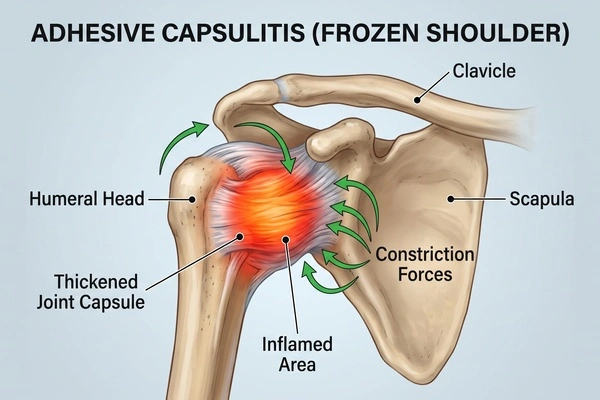
Frozen shoulder (sometimes called adhesive capsulitis) is a condition where the shoulder joint lining becomes inflamed and tight. This can cause increasing pain, stiffness, and difficulty moving the arm, often progressing through freezing, frozen, and recovery stages.
The condition commonly affects women aged 40–60 and people with diabetes or thyroid problems. Although it usually improves on its own, recovery can take months to several years.
Frozen shoulder (also called adhesive capsulitis) is a condition where the tissue around the shoulder joint becomes inflamed, thick, and tight. This causes pain and makes the shoulder gradually stiffer and harder to move. Nobody knows exactly why it happens, but it’s more common in people aged between 40-60, in women, and in people with diabetes or thyroid problems.
The condition usually goes through three stages: a painful “freezing” stage, a “frozen” stage where the shoulder is very stiff, and a “thawing” stage where movement slowly returns. Frozen shoulder usually gets better on its own, but it can take a long time, often up to three years.
While it lasts, it can be very painful, often making it hard to sleep. It can also make everyday tasks difficult, such as getting dressed, reaching up high or behind your back, or working.
Nobody knows exactly what causes frozen shoulder, but the lining of the shoulder joint becomes inflamed and then thick and tight, which leads to pain and stiffness. Some people are more at risk than others. It is most common between the ages of 40 and 60 and affects women more than men, with around two-thirds of cases occurring in women.
This may be linked to the menopause, as falling levels of the hormone oestrogen can make the body’s tissues more prone to inflammation and stiffness, and early research suggests that women taking HRT may be less likely to develop it, although this needs confirming. People with diabetes are nearly four times more likely to develop frozen shoulder. This is thought to be because high blood sugar over a long time causes sugar to stick to the fibres in the joint lining, acting a bit like glue and making the tissue stiffer and less stretchy. Thyroid problems are also linked to a higher risk.
What are the initial frozen shoulder symptoms?
In the early “freezing” stage, the main symptom is pain in the shoulder. It often starts gradually and is usually felt as a deep ache around the outside of the shoulder, sometimes spreading down the upper arm.
The pain is often worse at night and can make it hard to lie on the affected side, so disturbed sleep is common. Sudden movements or reaching quickly for something can cause sharp, severe pain. Alongside the pain, the shoulder slowly becomes stiffer. People may often notice difficulty with movements such as reaching up high, reaching behind the back (for example, fastening clothing or tucking in a shirt), or turning the arm outwards.
This stage usually lasts anywhere from a few weeks to several months, and the pain tends to be at its worst during this time.
Want fast access to healthcare?
Avoid long waiting lists. Book a private consultation today.
During the freezing stage, the main aim of treatment is to control the pain.
The pain at this stage is caused by inflammation in the lining of the shoulder joint (known as the capsule). A helpful way to picture this is to think of a mouth ulcer: just as an ulcer on the inside of your mouth is sore and stings when it is touched or moved against, the inflamed lining of the shoulder is sore and painful when the joint is moved or stretched.
To help manage the symptoms, you can:
take painkillers or anti-inflammatories
use heat or ice
avoid movements that cause sharp pain.
A steroid injection into the shoulder joint itself can also be very effective at this stage. The steroid is a strong anti-inflammatory medicine, and the injection is designed to calm the inflammation in the lining of the joint, which in turn reduces the pain. Many people find this helps them sleep better and cope more easily with everyday activities.
The role of physiotherapy during the freezing stage is less clear. Because the shoulder is so painful, it can be very difficult to do stretching or strengthening exercises, and pushing too hard may make the pain worse rather than better. This can leave people feeling frustrated or disheartened if they do not see progress.
Gentle movement within a comfortable range is still encouraged to help keep the shoulder from becoming even stiffer. If a steroid injection reduces the pain, this can make physiotherapy more manageable and more worthwhile, and some people find the combination of the two the most helpful approach.
What is the ‘frozen’ stage of frozen shoulder?
In the frozen stage, the pain usually starts to settle, but the shoulder remains very stiff. The lining of the joint (the capsule) has become thickened and tight, a bit like a balloon that has shrunk and lost its stretch, so the joint simply cannot move as far as it should.
Many people find they can no longer reach up high, reach behind their back or turn their arm outwards, and this stage can last several months. Because stiffness rather than pain is now the main problem, treatment at this stage focuses on getting the shoulder moving again.
What can be done in the ‘frozen’ stage?
One treatment that can help is hydrodilatation (sometimes called hydrodistension). This is an injection into the shoulder joint, guided by ultrasound or X-ray, of a larger volume of fluid than a normal injection, usually a mix of salt water, local anaesthetic and steroid.
The fluid stretches the tight lining of the joint from the inside, gently opening it up, and in some cases the lining partly tears, which releases the tightness further. The steroid helps to calm any remaining inflammation.
Hydrodilatation works best when it is followed straight away by physiotherapy and a home exercise programme, because the procedure creates extra room in the joint and the exercises help to keep and build on that new range of movement.
Studies show that hydrodilatation can lead to useful improvements in movement. In one early study of 109 shoulders, the range of movement improved by roughly 30 degrees in every direction. The benefit was similar whether the procedure was done early or later in the condition. A larger UK study of over 200 shoulders found that on average, the ability to lift the arm out to the side improved from 59° to 110°, lifting the arm forwards improved from 50° to 120°, and turning the arm outwards improved from 20° to 50°. A review that combined the results of several analyses concluded that hydrodilatation with steroid gives better pain relief in the short term and better improvement in movement over all time periods compared with a steroid injection alone or physiotherapy alone.
Not all research agrees on how large the benefit is however. A 2018 review concluded that the current evidence showed only a small effect from hydrodilatation that was not clinically significant, and people with diabetes tend to respond less well in the long term and are more likely to need surgery afterwards.
At Practice Plus Group, hydrodilation costs £849 and will be carried out within four weeks of being referred.
If frozen shoulder does not improve with injections and physiotherapy, surgery may be considered. There are two main options. Both are done under a general anaesthetic (while you are asleep) and both are followed by a course of physiotherapy to help keep the movement gained.
Is it frozen shoulder or something else?
If you’re unsure as to whether you’re struggling with a frozen shoulder or another issue, the table below may be able to help. It details the main symptoms of the most common shoulder issues and asks key questions to narrow down your search.
Frozen shoulder
Rotator cuff issue
Shoulder arthritis
How it starts
Without a clear injury of trauma
Following a specific injury or strain
Through ageing and general wear-and-tear
The main symptoms
Constant aching, worsening pain at night, progresses through 3 distinct stages
Pain when lifting or moving the arm, arm feels weak
Pain at night, reduced range of motion, a grinding or popping sensation
Can someone else move your arm easily?
No
Yes
No
Sometimes, despite the symptoms aligning, what we might think be the problem is disguised as something else. Our expert shoulder consultants are always on hand to help provide you with an accurate diagnosis, so you know exactly what you’re dealing with and how best to proceed.
The best way to sleep when you have a frozen shoulder is keep the affected side in a neutral position and avoid putting it under direct pressure. The best way to do this is by sleeping on your back or unaffected side.
Put a small pillow underneath your affected arm to support the elbow and forearm. A pillow under the knees will also help to support your lower back.
If you’re not used to sleeping on your back, you can also try lying on your unaffected side. To do this, you’ll need to make sure the affected arm (the one closest to the ceiling) is supported by using a big pillow. This will help ensure your arm doesn’t collapse forwards across your chest during the night.
How do I manage everyday tasks?
This is a common question asked by people experiencing frozen shoulder. NHS guidance advises taking paracetamol at regular intervals up to the recommended daily dose. The use of heat and ice, one after the other can also help to relax tight muscles and numb sharp pain.
Exercises may also be recommended, usually by a physiotherapist. These may involve gentle actions and stretching routines designed to improve mobility.
Can I keep working with a frozen shoulder?
The answer depends on the type of job you have. If you have a desk-based role, you may need to make some adjustments. Moving your monitor to eye level, having frequently used items (the mouse, pens, phones) within easy reach, and having the right chair support are all changes you can enact to help make your job easier.
For those with manual jobs, this may be a little more difficult. Repeatedly lifting objects over your head and reaching up high will put extra strain on your already painful joint. Adjustments here are likely to be more fundamental and include taking time off by self-certifying and, after the first seven days, via an official note from your GP or a physio. If possible, you may also be able to ask for a temporary change to your everyday tasks. Admin tasks or supervisory roles will help to reduce the amount of strain on your affected shoulder.
Choosing the right option for you
Private healthcare offers greater flexibility over when, where, and by whom you’re treated. In the vast majority of cases, the waiting times are shorter too, and with Practice Plus Group, prices are transparent.
Choosing private healthcare can make planned treatment easier to fit around work, family, and personal commitments. Options to access private treatment are self-pay, payments plans, or medical insurance.
There are three different stages to the frozen shoulder condition. The details of which are shown in the table below.
Stage 1 (freezing)
Stage 2 (frozen)
Stage 3 (recovery)
What happens?
Pain builds gradually. Movement causes pain which worsens at night
Pain occurs mainly when the shoulder is moved. Shoulder can lock
Stiffness and tightness fades
Mobility
Range of motion decreases
Reaching (especially upwards) becomes very difficult
Improves steadily
How long it lasts
2-9 months
4-12 months
Up to 3 years
What are my options: NHS, self-pay, or insurance?
If your condition hasn’t responded to more conservative methods, it may be time to step things up. The table below details the different routes to treatment that are available to you, how to access them, and what you can expect from each option.
NHS
Self-pay
Insured
First step
GP or NHS MSK physio self-referral where available in your area
Book directly with a physio or consultant
Contact your insurer for authorisation
Referral needed?
Varies by area
No, patient can self-refer
Usually a GP or insurer referral
What happens next?
Physio, then GP or specialist if not improving
Assessment, then physio, injection or specialist (as needed)
As private, within your policy
Waiting time
Varies by area
Up to 4 weeks
At a time to suit you
What happens at your first appointment?
If you’re all booked in for your initial consultation with one of our shoulder specialists, the following sections may help you when it comes to preparation. If you’re a private patient at Practice Plus Group, an initial consultation costs £145. This price includes all tests necessary except MRI and CT scans.
questions about your condition (when it started and when the pain is at its worst)
questions about your general health and family medical history
a physical exam involving range of motion tests
an X-ray of the shoulder
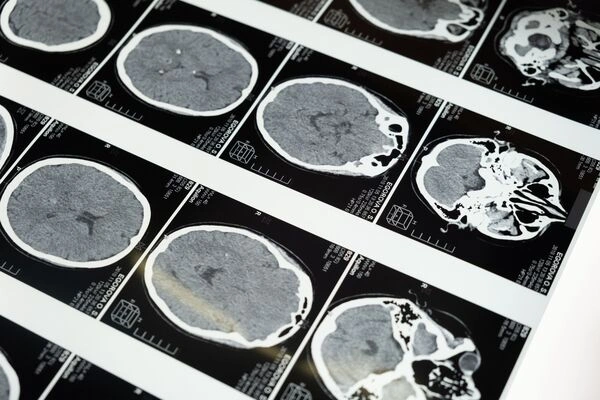
If the discussion and physical tests have proved inconclusive, your consultant may order extra tests in the form of diagnostic imaging. At Practice Plus Group, MRI and CT scans will incur an extra cost that the specialist will explain to you in detail. Please note that, while we will try to fit you in, these may not be carried out on the same day as your consultation.
any medication you’re currently on
any scan reports that have been done previously
An initial consultation is designed to arrive at an accurate diagnosis. This will be in the form of a treatment plan that’s tailored to your specific needs.
Not yet found the information you’re looking for? Our private frozen shoulder FAQs might be able to help!
Yes, and, although it’s rare, it can affect both shoulders at the same time. Women and people with diabetes are at a higher risk of developing frozen shoulder.
A frozen shoulder won’t show on an X-ray but it will on an MRI scan. In the event your consultant orders an X-ray, it’s typically to rule out other conditions that cause similar symptoms.
No, frozen shoulder is an inflammation in the joint capsule in the shoulder while arthritis is the gradual breakdown of the cartilage that cushions the shoulder joint.
Massage is good for many things, but it won’t solve frozen shoulder by itself. While it will ease the tension in the surrounding muscles, providing temporary pain relief, the condition itself is solved by surgery or the passage of time.
The condition is typically worse at night because lying down can increase the pressure on the joint, body position can restrict blood flow, the body’s natural levels of anti-inflammatories are lower than during the day.
Acknowledgements and clinical review
This page has been medically reviewed and approved by Mr Damien Tucker, Consultant Orthopaedic Surgeon at Practice Plus Group Hospital. He is a GMC-registered consultant surgeon (GMC: 7095252), with over 17 years of clinical experience and is a fellow of the Royal College of Surgeons of England. Mr Tucker performs more than 360 procedures annually and specialises in upper limb conditions.
All content on this page is produced by the Practice Plus Group digital content team and clinically reviewed by consultant specialists to ensure accuracy, patient safety, and alignment with current UK clinical best practice. Content is approved under Practice Plus Group’s clinical governance framework.
Damien Tucker General Medical Council number: 7095252
This page is regularly reviewed and updated to reflect changes in clinical evidence, surgical practice, and patient safety standards. The last clinical review was completed on 9/6/2026, with the next review scheduled for 9/06/2027.
James Wood, Content Specialist
This article was co-written by Content Specialist, James Wood. Our Content Specialist, James, has been writing articles and blogs for Practice Plus Group since 2022. He has more than a decade of experience as a copywriter within a range of different backgrounds and works closely with medical professionals to deliver information that's easy-to-read and patient-focused.