Bristol orthopaedic consultants: how to pick a specialist to suit your needs
10–15 minutes
If you’re researching Bristol orthopaedic consultants, it’s likely you already know what you need help with: knee or hip pain, shoulder weakness, or a sports injury that’s not getting better on its own. What many patients are less sure about is how to choose the right consultant, what different specialists actually do, and what to expect from a private appointment.
That uncertainty is completely normal and this guide aims to help with that! It explains how to choose an orthopaedic consultant in Bristol, how orthopaedic subspecialties work, and what private care looks like at Practice Plus Group Hospital, Emersons Green.
Choosing the right orthopaedic consultant involves a range of different factors. These include considering specialist expertise, qualifications, experience, communication, and ensuring they match your specific condition.
Practice Plus Group Hospital, Emersons Green offers consultant-led orthopaedic care across a range of specialisms, with private consultations typically available within 1–2 weeks of initial enquiry. Treatment typically takes place just 4-6 weeks afterwards.
How to choose the right orthopaedic consultant in Bristol
Choosing the right consultant for you isn’t simply about finding the person with the longest list of qualifications. It’s about finding a specialist whose specialities and experience match your condition, who communicates clearly, and who can guide you through diagnosis, treatment, and aftercare with confidence.
At Practice Plus Group Hospital, Emersons Green, our private patients can enjoy fast access to private treatment, modern facilities, and consultant-led care with the same specialist from start to finish.
When comparing Bristol orthopaedic consultants, it’s a good idea to look at:
whether they specialise in the body area you need help with
whether they are on the GMC Specialist Register
their surgical and clinic experience
whether they see private, insured, and NHS patients
how clearly they explain options
what support is offered after treatment.
A good private orthopaedic consultant will help you feel informed, listened to, and clear about your next steps. They should also be honest about the best treatment plan for you, whether that’s surgery or more conservative options.
Check qualifications, GMC registration, and experience
In the UK, the GMC Specialist Register shows which doctors are eligible for substantive NHS consultant posts. Checking this register is a sensible way to confirm consultant status.
Qualifications matter, but they should be read in context. For orthopaedic consultants, you may commonly see qualifications such as ‘FRCS (Tr & Orth)’. This indicates the consultant has achieved a higher level of surgical training in trauma and orthopaedics, alongside experience in fellowships or focused practice areas. The GMC’s trauma and orthopaedic curriculum also makes clear that the specialty covers broad principles of orthopaedics, with more specialist skills developed in defined areas.
That is why subspecialist experience is so important. A consultant who mainly works in hip and knee replacement may not be the best fit for hand symptoms or shoulder instability, even though they are both orthopaedic surgeons.
Meet our orthopaedic consultants
Practice Plus Group’s Bristol consultant hub for Emersons Green has a range of orthopaedic specialists. Between them, they cover hip, knee, and upper limb care, serving Bristolians and the surrounding area.
The consultants featured below are all based at Emersons Green, Bristol and are all on hand to help get you back on your feet.
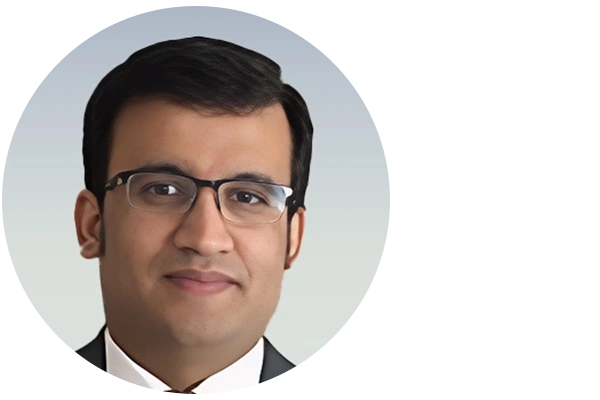
Nawar Abdulsattar – Lead Orthopaedic Surgeon
Special interests: hip replacement surgery, knee replacement surgery, sports injuries of the lower limb Experience: 21+ years in orthopaedic surgery Private consultation: £145, including in-depth consultation, x-rays, blood tests, swabs, and a tailored treatment plan, according to his profile Number of yearly procedures: 510+
Special interest: upper limb conditions Training: includes an MD from the University of Bristol and FRCS (Tr & Orth), with higher specialist training completed in Bristol and Perth, Australia. Number of yearly procedures: 360+
Experience: 43+ years Known for: being an expert in knee and hand and wrist surgery with long-standing practice at Emersons Green. Number of yearly procedures: 300+
Patient feedback can help give a more detailed idea of what to expect from a consultant beyond formal qualifications and experience. Alongside looking at credentials, many patients want to know whether a consultant communicates clearly, listens carefully, and helps them feel confident during their healthcare journey.
At Practice Plus Group, our reviews mention positive comments about clear communication, supportive care, and a well-organised patient experience. Individual consultant profiles also include procedure-specific feedback, giving patients a more personal sense of what treatment and aftercare can feel like.
“I had a uni-knee replacement operation on 20th February and six weeks later I am very pleased with it. I had excellent care throughout my stay and everything matched or exceeded my expectations. I’m glad I had the op and the certainty of a set fee made it less worrying. I would recommend Practice Plus Group at Emersons Green to anyone else who can afford not to wait for an NHS operation.”
Amanda May, knee replacement
What does an orthopaedic consultant do?
As a medical field, orthopaedics is a broad area of medicine covering bones, joints, muscles, ligaments, tendons, and related structures. NHS services describe orthopaedics as care for musculoskeletal conditions, while NHS England’s referral guidance emphasises getting patients to the right person, at the right time, and in the right place.
More specifically, an orthopaedic consultant assesses, diagnoses, and treats problems affecting the musculoskeletal system. That includes bones, joints, muscles, tendons, ligaments, and related structures. NHS services use similar definitions when describing trauma and orthopaedics.
For patients, that can include:
knee pain
hip arthritis
shoulder problems
hand and wrist symptoms
foot and ankle issues
sports injuries
longer-term mobility problems.
Conditions treated by orthopaedic consultants
A musculoskeletal specialist may assess or treat:
osteoarthritis
joint pain
ligament injuries
tendon problems
sports injuries
carpal tunnel syndrome
rotator cuff problems
hip and knee degeneration
hand and wrist conditions.
Our specialists at Emersons Green cover hip, knee, shoulder, hand, and foot care, among others. Private orthopaedic consultations are typically available 1-2 weeks after enquiry, with treatment usually following in 4-6 weeks.
Non-surgical vs surgical orthopaedic care
Not every orthopaedic problem needs surgery as a solution. Many patients are initially treated with physiotherapy, pain relief, injections, exercise advice, or simple monitoring. A consultation is specifically designed to conclude with a diagnosis and treatment plan.
When you may be referred to orthopaedics
You may be referred if:
pain is not improving
movement is becoming more limited
daily activities are becoming more difficult
scans and earlier treatment suggest specialist input is needed.
Common reasons to see an orthopaedic consultant in Bristol
Many people looking for joint pain treatment and care or a joint pain specialist in Bristol are not starting with a formal diagnosis. They are starting with a problem: pain on stairs, trouble sleeping because of shoulder discomfort, stiffness getting in and out of the car, or a sports injury that has not settled by itself.
Joint pain and arthritis: hip, knee, and shoulder
Hip, knee, and shoulder arthritis are among the most common reasons to see an orthopaedic surgeon. NICE has dedicated quality standards for primary hip, knee, and shoulder joint replacement, reflecting how established these pathways are in elective care.
A sports injury consultant may help with ligament injuries, tendon tears, cartilage damage, instability, or pain that has not improved with rest, physio, or rehabilitation. Practice Plus Group’s consultant profiles in Bristol include specialists with sports injury and upper-limb experience.
Understanding orthopaedic subspecialties
Orthopaedics is a broad specialty, and choosing the wrong subspecialty can add time and frustration. The GMC’s trauma and orthopaedic curriculum reflects broad core training with more specialist capability developed in particular areas.
Orthopaedic subspecialties and conditions treated
The table below sets out the common conditions that are treated from each of the orthopaedic subspecialties.
If your main symptoms flare up following activities that involve walking, climbing stairs, groin pain, swelling, locking, or joint degeneration, a hip or knee specialist is often the right place to start.
Shoulder, elbow, and hand specialists
Upper limb issues often need a different expert, as do patients seeking information about private hand and wrist surgery.
Why specialist experience matters
The closer a consultant’s day-to-day work is to your condition, the more relevant their experience is likely to be. That does not guarantee a better outcome on its own, but it usually means more tailored advice, more focused investigation, and a more realistic discussion of the treatment options available to you.
Why choose Practice Plus Group for orthopaedic surgery in Bristol?
Patients looking at Bristol orthopaedic consultants often want reassurance on three main things: expertise, waiting times, and affordability. We break these down in the information below.
Expertise – consultant-led orthopaedic care in Bristol
Private patients have access to an experienced consultant from start-to-finish. Our broad orthopaedic team covers lower limb, upper limb, and general orthopaedic practice.
Waiting times – faster access to treatment
Private orthopaedic consultations with Practice Plus Group are available in 1–2 weeks. Private orthopaedic treatment generally follows in 4–6 weeks depending on the procedure and consultant availability.
Affordability – private orthopaedic treatment
Self-pay, insured routes, and 0% finance options are all available. Our private consultation pages explain what is included in the consultation package although some scans or tests may cost extra.
Easily accessible location
A fourth reason to choose Practice Plus Group Hospital, Emersons Green for your orthopaedic care is its location. The hospital itself is very easily accessed just off the M4 with plenty of onsite parking available. Its location outside of Bristol city centre means it sits outside of the city’s ULEZ zone, so if you’re coming from elsewhere, you won’t be charged an emission fee!
What to expect from a private orthopaedic consultation
A private orthopaedic consultation is usually the point where your symptoms, medical history, and goals are brought together into a clear plan.
Your initial assessment and medical history
Your consultant will usually ask about:
your symptoms and how long you’ve had them
what makes them worse
any treatments you’ve already tried
how the problem affects daily life
what outcome you’re hoping for.
Scans, imaging, and diagnostic tests
Not every patient needs scans immediately, but x-rays, blood tests, swabs, and MRI scans may be used where needed. Consultation packages include x-rays, blood tests, and swabs as needed. Some private MRI scans may be an additional cost where required for diagnosis.
Discussing treatment options and next steps
Your consultant should explain the likely diagnosis, what treatment options are available, whether surgery is recommended, and what recovery may involve. The aim is to help you make an informed decision rather than to rush you into treatment.
Not quite found the right information? Our dedicated FAQs might be able to help!
How do I choose the best orthopaedic consultant in Bristol?
When choosing an orthopaedic consultant in Bristol, look for someone with experience in the specific area you need help with. At Practice Plus Group Hospital, Emersons Green, this ranges from hip, knee, hand, foot and ankle, and spinal conditions. It’s also worth considering their qualifications, specialist training, and whether you feel comfortable with their approach during your first appointment.
What qualifications should an orthopaedic consultant have?
An orthopaedic consultant should have completed specialist orthopaedic training and will often hold qualifications such as FRCS (Tr & Orth). You can also check whether they are listed on the GMC Specialist Register and whether they have a particular area of expertise.
How much does private orthopaedic treatment cost in Bristol?
Private orthopaedic treatment costs in Bristol can vary depending on the type of care you need. An initial consultation will usually have a separate fee, while diagnostic tests, injections, and surgery will affect the total cost of treatment.
At Practice Plus Group, your initial consultation costs £145. This includes diagnostic tests such as x-rays and blood tests. If an MRI scan is needed, this will incur extra cost which will be clearly explained by your consultant.
Can I choose my orthopaedic consultant in Bristol privately?
Yes, private treatment in Bristol usually gives you more choice over which orthopaedic consultant you see. This can be helpful if you want to book with a consultant who specialises in your condition or preferred treatment route.
Do I need a GP referral to see a private orthopaedic consultant in Bristol?
Not always. In Bristol, many private orthopaedic appointments can be booked directly without seeing your GP first. However, if you plan to use private medical insurance, your insurer may still ask for a GP referral before approving your treatment.
What conditions do orthopaedic consultants in Bristol treat?
Orthopaedic consultants in Bristol treat a wide range of musculoskeletal conditions affecting the bones, joints, muscles, ligaments, and tendons. This can include arthritis, sports injuries, joint pain, fractures, carpal tunnel syndrome, and problems affecting mobility.
James Wood, Content Specialist
This article was co-written by Content Specialist, James Wood. Our Content Specialist, James, has been writing articles and blogs for Practice Plus Group since 2022. He has more than a decade of experience as a copywriter within a range of different backgrounds and works closely with medical professionals to deliver information that's easy-to-read and patient-focused. When he's not writing medical pieces, James is busy playing sports or pub quizzing.