11–16 minutes
Menopause and perimenopause are natural stages of life, but that does not mean you have to or even should simply “put up with” symptoms that are affecting your everyday quality of life.
For some women, symptoms are mild and manageable. For others, changes in hormone levels can affect sleep, mood, work, relationships, sex, bladder health, and general day-to-day confidence. Understanding what is happening to your body can help you recognise what’s normal, what support is available, and when it’s worth speaking to a healthcare professional.
Private menopause treatment at a glance
- Cost: treatment dependent
- Ways to pay: insured, self-pay, payment plans
- Procedure time: treatment dependent
On this page:
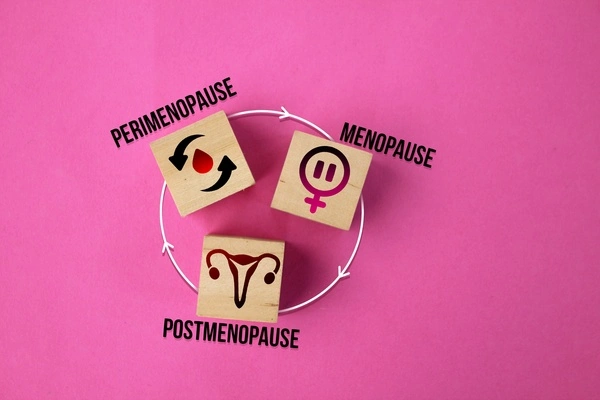
Menopause is the natural stage (between the ages of 45-55) when periods stop due to declining hormone levels. Perimenopause is the transition phase where hormone changes cause irregular periods and symptoms such as hot flushes, mood changes, and brain fog. Symptoms and treatment vary, so anyone with persistent, severe, or concerning symptoms should seek medical advice to discuss diagnosis, lifestyle changes, or treatments such as HRT.
What is menopause?
Menopause is when your periods stop because of changes in your hormone levels. It occurs when the ovaries produce less oestrogen and progesterone. These hormones both play important roles in:
- the menstrual cycle
- fertility
- bone health
- heart health
- vaginal health
- temperature regulation.
Menopause is usually confirmed when you have not had a period for 12 months and there is no other medical reason for your periods stopping.
In the UK, most women reach menopause between the ages of 45 – 55, although symptoms can begin earlier during the perimenopause stage.
What is perimenopause?
Perimenopause is the transition to menopause. This is the time when hormone levels start to change, but periods have not stopped completely.
During perimenopause, your menstrual cycle may become less predictable. Periods may become heavier, lighter, closer together, further apart, or more irregular. You may also start to experience symptoms such as:
- hot flushes
- mood swings
- brain fog
- anxiety
- vaginal dryness
- issues with sleep.
Perimenopause can last for several months or several years. Some women notice the symptoms before they realise their cycle is changing. This can make this stage feel confusing or frustrating.
Menopause and perimenopause symptoms
The symptoms of menopause vary from person-to-person. Some people experience a small number of symptoms, while others notice a wider range of physical, mental, and emotional changes.
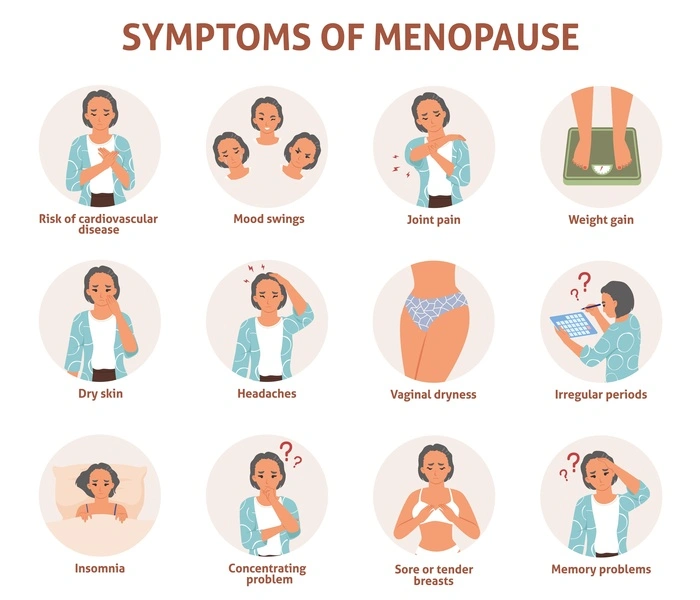
Common menopause and perimenopause symptoms include:
- changes to your menstrual cycle
- hot flushes
- night sweats
- mood swings
- anxiety or low mood
- brain fog or problems with concentration
- poor sleep
- tiredness
- vaginal dryness
- discomfort during sex
- reduced sex drive
- recurrent urinary tract infection symptoms
- needing to pass urine more often
- joint aches or muscle pains
- headaches
- changes in weight
- dry skin
- palpitations
- worsening premenstrual symptoms.
With that said, it’s important to remember that not every symptom will be caused by menopause. Some symptoms can overlap with other health conditions. These can include thyroid problems, anaemia, depression, anxiety, diabetes, vitamin deficiencies, and gynaecological conditions. This is why it is important to seek advice if symptoms are new, severe, persistent, or affecting your quality of life.
Changes to your menstrual cycle
One of the first signs of perimenopause is often a change in your menstrual cycle. You may notice that your periods become:
- closer together or further apart
- heavier or lighter than usual
- shorter or longer than normal
- more painful or associated with worse PMS symptoms.
Although cycle changes are common during perimenopause, you shouldn’t ignore unusual bleeding. Speak to a GP if you experience bleeding:
- after sex
- between periods
- that is very heavy
- after menopause.
If you use birth control, it can sometimes be harder to recognise natural changes in your cycle. Some hormonal contraception can make periods lighter, irregular, or stop altogether, so it is worth speaking to a GP or healthcare professional if you are unsure whether symptoms could be linked to perimenopause.
Hot flushes and night sweats
Hot flushes are one of the best-known menopause symptoms. They can feel like a sudden wave of heat through the face, neck, chest, or whole body. Some women also experience sweating, flushing, dizziness, or a racing heartbeat.
Night sweats are hot flushes that happen during sleep. They can wake you up, soak nightwear or bedding, and leave you feeling tired the next day.
Hot flushes and night sweats happen because changing oestrogen levels can affect the part of the brain that helps regulate body temperature. For some, they are occasional and manageable. For others however, they can disrupt sleep, confidence, work, and social life.
Mood swings, anxiety, and low mood
Changes in hormone levels can affect mood. During perimenopause and menopause, some people experience mood swings, irritability, anxiety, tearfulness, low mood, or feeling less able to cope with stress.
These symptoms can be made worse by poor sleep, night sweats, work pressure, caring responsibilities, or other life changes that often happen around midlife.
If mood symptoms are persistent, severe, or affecting your relationships, work, or day-to-day life, it is worth seeking help. Support may include lifestyle changes, talking therapies, menopause treatments, or treatment for anxiety or depression where appropriate.
Brain fog and concentration problems
Brain fog is a common menopause and perimenopause symptom. It can feel like forgetfulness, difficulty concentrating, losing your train of thought, or finding it harder to process information.
This can be unsettling, especially if you are used to feeling organised and focused. Brain fog can also be worse if you are sleeping poorly, experiencing increased levels of stress, or having frequent hot flushes.
Simple changes such as improving sleep habits, reducing alcohol intake, staying active, and trying to manage stress levels can help some people. If brain fog is affecting your work or confidence, a GP can help you explore whether menopause, sleep problems, low mood, or another health condition may be contributing.
Vaginal dryness and urinary symptoms
Lower oestrogen levels can affect the tissues around the vagina, vulva, bladder, and urethra. This can lead to vaginal dryness, soreness, itching, discomfort during sex, or a feeling of irritation.
Some people also notice urinary symptoms such as:
- the need to pass urine more often
- discomfort when passing urine
- recurrent urinary tract infection symptoms.
These symptoms are common, but they can feel difficult to talk about. They are also treatable. Options may include vaginal moisturisers, lubricants, local vaginal oestrogen, or other treatments depending on your symptoms and medical history.
You should seek medical advice if you have symptoms of a urinary tract infection, blood in your urine, pelvic pain, unusual discharge, or bleeding after menopause.
Menopause, bones, and heart health
Oestrogen helps support bone strength and has an important role in heart and blood vessel health. After menopause, lower oestrogen levels can increase the risk of developing osteoporosis, which makes bones weaker and more likely to fracture.
The risk of heart disease also increases with age, and the years after menopause are an important time to think about heart health. Menopause itself is only one part of the picture. Blood pressure, cholesterol levels, smoking, weight, diabetes, family history, diet, activity levels, and other health conditions can all contribute to your risk.
Healthy lifestyle steps can support bone and heart health. These include:
- regular weight-bearing exercise
- strength training
- stopping smoking
- limiting alcohol
- eating a balanced diet
- getting enough calcium and vitamin D
- managing blood pressure and cholesterol levels
- seeking advice about any ongoing symptoms or risk factors.
If you go through early or premature menopause, it is especially important to speak to a GP about your long-term bone and heart health.
What is premature menopause?
‘Premature menopause’ occurs before the age of 40 whereas early menopause is when periods stop before the age of 45.
Premature menopause usually occurs naturally but, in some cases, it can be linked to any of the following:
- surgery
- chemotherapy
- radiotherapy
- genetics
- autoimmune conditions
- other medical treatments.
You may also hear the term ‘primary ovarian insufficiency’, previously also called ‘premature ovarian failure’. This is when the ovaries stop working as expected before the age of 40. Unlike menopause later in life, ovarian function can sometimes fluctuate, so some women may still have occasional periods.
If you are under 40 and your periods have become irregular, have stopped completely, or you are experiencing menopause symptoms, it is important to seek medical advice. You may need to have blood tests, a review of your symptoms, and support to protect your bone, heart, hormonal, and reproductive health.
How are menopause and perimenopause diagnosed?
A GP will usually start by asking about the following:
- your symptoms
- age
- menstrual cycle
- medical history
- current medication or contraception you’re using
- how symptoms are affecting your quality of life.
For many women over 45, menopause or perimenopause can be diagnosed based on symptoms alone, especially if there are typical cycle changes and common menopause symptoms.
Blood tests may be considered in some situations. For example, if you’re under 45, if premature menopause or primary ovarian insufficiency is suspected, or if symptoms could be linked to another health condition).
A GP may also check for other possible causes of symptoms. These may include:
- thyroid problems
- anaemia
- vitamin deficiencies
- diabetes
- mental health concerns.
Treatment options for menopause symptoms
The appropriate treatment depends on your symptoms, medical history, personal preferences, and whether you are still having periods.
If your GP or consultant thinks treatment is right for you, options may include:
- lifestyle changes
- support with sleep, stress, diet, and exercise
- vaginal moisturisers or lubricants
- local vaginal oestrogen
- hormone replacement therapy (HRT)
- non-hormonal medicines (for hot flushes or mood-related symptoms)
- talking therapies (such as CBT)
- treatment for related health conditions
- contraception advice if pregnancy is still possible.
The right option will not be the same for everyone. Some women want help with one specific symptom, while others need wider support because symptoms are affecting a range of different factors of their lives.
What is hormone replacement therapy (HRT)?
Hormone replacement therapy replaces hormones that naturally decrease in production during menopause. It is commonly used to help with symptoms such as hot flushes, night sweats, mood changes, sleep problems, vaginal symptoms, and joint aches.
HRT usually includes oestrogen. If you still have a womb, you will usually also need a progestogen to protect the lining. This is because oestrogen and progesterone have different roles in the body, and the balance of treatment matters.
HRT can be taken in different forms. These include tablets, patches, gels, sprays, or local vaginal treatments. The most suitable type depends on your symptoms, medical history, risk factors, and preferences.
HRT is not suitable for everyone, so it is important to discuss the benefits and risks with a healthcare professional. You should also tell your GP about any personal or family history of breast cancer, blood clots, stroke, heart disease, liver disease, or unexplained vaginal bleeding.
Do you still need birth control during perimenopause?
Yes. If you don’t want to fall pregnant, you should continue to use birth control during perimenopause. Even if periods are irregular, pregnancy can still be possible until menopause has been reached.
The right contraception depends on your age, health, symptoms, risk factors, and preferences. Some forms of birth control can also help with heavy periods or be used alongside certain HRT plans, but this should be discussed with a healthcare professional.
If you are unsure whether you still need contraception, or whether your current method is suitable during perimenopause, speak to a GP, nurse, or pharmacist.
Menopause support at Practice Plus Group Hospital, Plymouth
Practice Plus Group Hospital, Plymouth welcomes Dr Jilly Coleman, a GP specialising in women’s health and gynaecology.
If you are experiencing any of the following symptoms, an appointment with Dr Coleman can help you take the next step:
- menopause or perimenopause symptoms
- changes to your menstrual cycle
- vaginal dryness
- recurrent urinary symptoms
- mood changes
- brain fog
- symptoms that are affecting your quality of life.
Dr Coleman will listen to your concerns, review your symptoms, discuss possible treatment options, and advise whether further tests or referrals may be needed.
Want to access gynaecology treatment via private medical insurance?
Simply type in the name of your insurance provider below to see if you can access healthcare with us.
Check if we accept your insurer
How to get started
1
Get referred – Ask your GP to refer you to us.
2
Confirm cover – Contact your insurer to check your cover.
3
Get authorisation – Ask your insurer for a code.
4
Get booked in – Contact us to book your consultation.
FAQs about menopause and perimenopause
Haven’t yet found the information you’re looking for? Our menopause and perimenopause FAQs could help!
What is the difference between menopause and perimenopause?
Perimenopause is the transition into menopause, when hormone levels start changing and symptoms may begin. Menopause is usually confirmed when you have not had a period for 12 months and there is no other medical reason for your periods stopping.
What are the first signs of perimenopause?
The first signs are often changes to your menstrual cycle, such as irregular, heavier, lighter, or less predictable periods. Other early symptoms can include hot flushes, night sweats, mood swings, poor sleep, brain fog, anxiety, and vaginal dryness.
How long do menopause symptoms last?
This varies from person-to-person. Some women have symptoms for a short time, while others experience symptoms for several years. If symptoms are affecting your quality of life, you should not feel you have to wait for them to pass.
Are hot flashes the same as hot flushes?
Yes. Hot flashes and hot flushes describe the same symptom: a sudden feeling of heat, often accompanied by sweating or flushing. “Hot flushes” is more commonly used in UK healthcare information but “hot flashes” is also widely understood.
Can menopause cause urinary tract infection symptoms?
Lower oestrogen levels can affect the tissues around the vagina, urethra, and bladder. This can contribute to urinary symptoms and recurrent urinary tract infection symptoms. If you have a burning sensation when passing urine, blood in your urine, fever, pelvic pain, or recurring symptoms, speak to a GP.
Can menopause affect your mood?
Yes. Changes in hormone levels can contribute to mood swings, irritability, anxiety, low mood, and feeling less able to cope. Poor sleep and night sweats can make this worse. Support is available, so it is worth speaking to a GP if mood symptoms are persistent or difficult to manage.
What is premature menopause?
Premature menopause is when menopause occurs before age 40. It may happen naturally or be linked to medical treatment, surgery, genetics, autoimmune conditions, or other causes. It is important to seek medical advice as early loss of oestrogen can affect bone, heart, and reproductive health.
Is primary ovarian insufficiency the same as premature menopause?
Primary ovarian insufficiency is when the ovaries stop working as expected before age 40. It is related to premature menopause, but ovarian function may sometimes fluctuate, meaning some women may still have occasional periods. A GP can advise on testing, diagnosis, and treatment options.
Can HRT help with menopause symptoms?
Hormone replacement therapy (HRT) can help many people with symptoms such as hot flushes, night sweats, sleep problems, mood changes, vaginal symptoms, and joint aches. It is not suitable for everyone, so the benefits and risks should be discussed with a healthcare professional.
Do I need contraception during perimenopause?
You may still need birth control during perimenopause if you do not want to get pregnant. Periods can be irregular, but pregnancy may still be possible until menopause has been reached. A GP, nurse, or pharmacist can advise on suitable contraception options.
Share
Sources and references
– NHS: Menopause and perimenopause symptoms
– NHS: Menopause and perimenopause treatment
– NHS: Early or premature menopause
– NHS: Vaginal dryness
– NICE: Menopause identification and management
– NICE Clinical Knowledge Summaries: Menopause management
– What happens at a gynaecologist appointment?
– Private vs NHS gynaecology waiting times explained
James Wood, Content Specialist
This article was co-written by Content Specialist, James Wood. Our Content Specialist, James, has been writing articles and blogs for Practice Plus Group since 2022. He has more than a decade of experience as a copywriter within a range of different backgrounds and works closely with medical professionals to deliver information that's easy-to-read and patient-focused. When he's not writing medical pieces, James is busy playing sports or pub quizzing.
View LinkedIn profile