Private umbilical hernia surgery at Practice Plus Group typically has a 4–6 week wait. In contrast, NHS waits often exceed the 18-week target due to high demand, prioritisation, and capacity pressures.
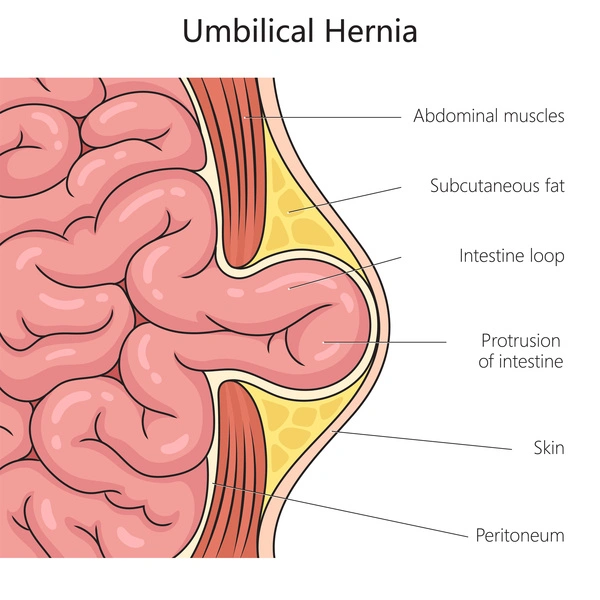
An umbilical hernia is a bulge near the belly button caused by weakness in the abdominal wall. Treatment ranges from monitoring to surgery, which relieves symptoms and reduces risks but carries some potential complications.
Private umbilical hernia repair surgery costs and locations
At Practice Plus Group, the average waiting time for private umbilical hernia surgery is 4–6 weeks.
In comparison, current NHS waiting times for hernia surgery vary widely depending on demand, the capacity of local hospitals, and clinical priority. The NHS Constitution sets an 18-week waiting time target between referral and treatment however, lots of patients are left waiting much longer.
The following are factors that currently contribute to the long waiting times for NHS hernia treatment:
high demand for general surgery
clinical prioritisation of urgent or cancer cases
workforce and theatre capacity pressures
backlogs from COVID pandemic disruption.
The My Planned Care site is updated on a weekly basis and shows the latest NHS waiting times in your area.
(Practice Plus Group is not responsible for and does not control the content displayed on external websites.)
An umbilical hernia is a type of ventral hernia (a hernia that develops in the front abdominal wall). It happens when tissue pushes through a weakness near the belly button.
In babies, umbilical hernias are common and often resolve on their own. However, in adults, umbilical hernias can develop due to increased pressure on the abdomen. In some cases, the weakened area may not heal without treatment.
Common symptoms
Listed below are some of the common symptoms of an umbilical hernia:
a soft bulge near the belly button
a bulge that becomes more noticeable when standing, coughing or straining
aching, discomfort, or a dragging sensation (especially with activity).
Risk factors
The following are risk factors for developing an umbilical hernia:
pregnancy or multiple pregnancies
higher body weight
heavy lifting or repeated straining
chronic cough
constipation/straining
previous abdominal surgery (ventral/incisional hernias)
fluid build-up in the abdomen (in certain medical conditions).
Who is it for?
Umbilical hernia treatment is usually for adults whose hernia:
causes persistent pain or discomfort
is increasing in size
is affecting the ability to carry out daily activities or exercise
has features that increase the risk of strangulation.
Some small, symptom-free hernias can be monitored, but your clinician will advise based on your symptoms and risk profile.
When to seek treatment
If you suspect you have an umbilical hernia, your first port of call should be your GP. He or she can assess you and refer you for a consultation (if needed).
Urgent red flag guidance
You should seek urgent medical attention if you experience any of the following:
sudden, severe pain at the hernia site
vomiting
constipation or inability to pass wind
redness, heat, or marked tenderness over the bulge
a bulge you can’t push back in (non-reducible lump).
These symptoms may indicate the hernia has become strangulated which warrants immediate medical attention.
Urgent hernia vs inguinal hernia: what’s the difference?
Umbilical and inguinal hernias are both common types of hernia, but they affect different parts of the body.
An umbilical hernia happens when tissue pushes through a weakness in the abdominal wall near the belly button. It usually appears as a bulge in or around the navel and may become more noticeable when coughing, straining, or standing up.
An inguinal hernia happens when tissue pushes through a weakness in the lower abdominal wall or groin area. This type of hernia appears as a bulge in the groin and is more common in men.
Key differences at a glance
From cause to who is most affected, the key differences between umbilical and inguinal hernias are listed below:
Location
Umbilical hernia: near the belly button
Inguinal hernia: in the groin area
Cause
Umbilical hernia: weakness around the navel, often linked to pressure on the abdomen
Inguinal hernia: weakness in the groin canal, where tissue can push through
Symptoms
Umbilical hernia: bulge at the navel, discomfort, aching or dragging sensation
Inguinal hernia: bulge in the groin, discomfort when lifting, bending, coughing, or exercising
Who it affects
Umbilical hernia: common in babies and also seen in adults, especially after pregnancy or with increased abdominal pressure
Inguinal hernia: more common in adults, particularly men
Although both types of hernia may cause discomfort and can sometimes be monitored, treatment recommendations depend on the size of the hernia, symptoms, and the risk of complications. If you are unsure which type of hernia you may have, a GP or consultant can assess the lump and advise on the best course of action.
Umbilical hernia treatment options
If you suspect you have an umbilical hernia, you have options that may not necessarily immediately involve surgery. Take a look at the information below to see what could work for you.
Non-surgical alternatives
Not every umbilical hernia needs immediate surgery. Depending on symptoms and size, your consultant may recommend:
lifestyle adjustments to help avoid excessive and unnecessary strain
managing a persistent cough or constipation
monitoring the hernia while awaiting surgery
wearing support garments (if needed).
It’s important to note that, in adults, umbilical hernias do not usually go away without surgery. Making the necessary lifestyle changes and close monitoring help to manage symptoms and risk rather than “fixing” the hernia.
Umbilical hernia surgery types and techniques
Umbilical hernia surgery is considered a major procedure. Surgery always requires local or general anaesthesia and sees a surgeon correct the bulge and reinforce the weakened abdominal wall. The surgical approach used depends on the hernia size, your anatomy, and whether mesh is appropriate.
Open umbilical hernia repair
Open repair involves a small incision near the belly button. The protruding tissue is repositioned, and the weakened area is reinforced (often with mesh).
Who it’s for
Patients with small-to-moderate sized umbilical hernias.
How it works
The incision site is closed and the area reinforced to reduce the risk of recurrence.
How long it takes
Often between 30–60 minutes but this can vary depending on hernia size and the complexity of the procedure.
Anaesthesia
Local with sedation or general anaesthetic depending on specific patient requirements.
Hospital stay
Usually carried out as day surgery.
Recovery time
Many return to light activity within 1–2 weeks.
Keyhole (laparoscopic) umbilical hernia repair
Keyhole surgery uses small incisions and a camera to repair the hernia from inside the abdomen, typically placing mesh to reinforce the abdominal wall.
Who it’s for
May be recommended for some larger defects, recurrent hernias, or selected cases based on consultant assessment.
How it works
Mesh is placed behind the abdominal wall to strengthen the area.
How long it takes
Often 45–90 minutes but this varies depending on hernia size and the complexity of the procedure.
Anaesthesia
General anaesthetic.
Hospital stay
Usually day case or short hospital stay depending on complexity.
Recovery time
Many people return to light activity within 1–2 weeks, with gradual progression over a 4–6 week recovery period.
Benefits of umbilical hernia surgery
Umbilical hernia repair can provide:
relief from discomfort or pain
reduced visible bulge
reduced risk of complications (e.g. strangulation)
improved confidence and ability to exercise
a return to work and daily life with fewer limitations.
Risks and complications of umbilical hernia surgery
As with any surgical procedure, umbilical hernia repair carries risks. These may include:
infection
bleeding
seroma (fluid collection)
recurrence (hernia returning)
pain or nerve irritation
bowel injury (although this is very rare)
negative reaction to anaesthesia
blood clots (rare but possible).
Complications are more likely if you’re over 50, have other illnesses (heart disease or breathing problems), are overweight, or smoke.
How risks are reduced
At Practice Plus Group, we reduce the potential for complications to develop through:
pre-operative health assessments
infection prevention measures
blood clot prevention and early post-op mobilisation
appropriate technique and mesh selection
clear discharge guidance and follow-up support.
When to seek urgent care after surgery
You need to seek urgent medical advice if you experience:
a fever, increasing redness, swelling or discharge at the wound
severe and worsening pain
persistent vomiting
inability to pass urine
a new or returning bulge
shortness of breath or chest pain.
What to expect
If you’re having umbilical hernia repair surgery with Practice Plus Group, let’s take a look at what you can expect from the experience itself.
Pre-operative assessment
A pre-operative assessment helps confirm the procedure is right for you. We’ll explain your treatment and make sure you’re well enough to proceed. It’s also your chance to ask questions about recovery and risks.
Preparing for surgery
Pre-surgery preparation may include:
a medication review (including blood thinners)
fasting instructions in the hours leading up to surgery
transport home and support for 24 hours
preparing for lifting restrictions.
During the procedure
Your surgeon will repair the abdominal wall weakness using either the open or keyhole surgical approach. Mesh may be used to reinforce the area and reduce the risk of a recurrence.
Immediately after surgery
In most cases you’ll be able to go home the same day as your operation. Upon discharge, you’ll receive detailed advice on wound care, pain relief, and returning to physical activity.
Umbilical hernia surgery recovery timeline
So, we’ve looked at how you can prepare and what happens during umbilical hernia surgery. Now it’s time to explore what you can expect from the recovery process.
Week 1
return home on the same day (if appropriate)
some mild swelling and bruising around the belly button is common
gentle walking is encouraged
avoid heavy lifting.
Weeks 2-4
return to light activities and desk-based work (often 1–2 weeks)
driving can resume when you can safely perform an emergency stop without pain. You should also check with your car insurance provider before getting behind the wheel again
build up activity gradually
Weeks 4-6
return to most normal daily activities
resume exercise gradually (avoid heavy strain until cleared)
Long-term recovery
mesh reinforcement is designed to be durable
recurrence risk varies by hernia size, technique, weight, smoking, and strain
Managing pain
Pain usually improves over the first few weeks and can be managed by taking prescribed medication and following your recovery guidance.
Your umbilical hernia patient journey
Initial enquiry – speak to our call centre team and choose the location that suits you
Consultation – in-depth assessment with a consultant and tailored treatment plan
Pre-operative assessment – tests, anaesthetic review, and surgery preparation
Day of surgery – admission, procedure, recovery
Discharge – usually same-day with aftercare guidance
Follow-up – telephone call and review
Long-term – return to normal activity with recurrence awareness
Private hernia repair in the UK typically ranges depending on provider, location, and the type of hernia.
At Practice Plus Group, hernia surgery starts from the following prices:
Consultation: £145
Surgery: £3,449
Total typical cost: £3,594
What’s included?
Our costs include:
pre-operative nurse review
anaesthetic
theatre and hospital stay (if necessary)
mesh implant (if used)
prescriptions, dressings, and equipment
post-operative follow-up
named consultant throughout.
If an overnight stay is required and a private room is important, please let us know when booking so we can do our best to accommodate.
Ways to pay
There are three ways to access umbilical hernia surgery at Practice Plus Group:
Self-pay private healthcare (via a one-off lump sum or a payment plan)
Private medical insurance
NHS referral
Find private hernia specialists near you
If you’re a private patient with us at Practice Plus Group, you can choose which consultant carries out your hernia treatment. This consultant will be with you every step of the way on your journey with us.
professional memberships to prestigious medical organisations.
Looking for these can help you make an informed decision while also providing quality assurance.
Why choose Practice Plus Group?
Practice Plus Group hospitals provide consultant-led care with short waiting times (4-6 weeks for private patients) and excellent surgical outcomes.
All our hospitals are regulated by the Care Quality Commission (CQC), and Practice Plus Group was the first provider to have all services rated ‘Good’ or ‘Outstanding’.
This page has been medically reviewed and approved by Mr Richard Dickson-Lowe, Consultant General Surgeon at Practice Plus Group Hospital. He is a GMC-registered consultant surgeon (GMC: 7045681), with over 5 years of clinical experience and holds an MSc and MBChB with specialisms in colorectal surgery. His specialist practice includes gallbladder removal, hernia repair surgery, and coloproctology.
All content on this page is produced by the Practice Plus Group digital content team and clinically reviewed by consultant specialists to ensure accuracy, patient safety, and alignment with current UK clinical best practice. Content is approved under Practice Plus Group’s clinical governance framework.
Richard Dickson-Lowe, General Medical Council number: 7045681
This page is regularly reviewed and updated to reflect changes in clinical evidence, surgical practice, and patient safety standards. The last clinical review was completed on 18/06/2026, with the next review scheduled for 18/06/2027.
Acknowledgements
Mr Dickson-Lowe is a highly experienced consultant general and colorectal surgeon and clinical lead for general and colorectal surgery, working both in the NHS and privately with Practice Plus Group.
He is dedicated to providing safe, effective, and personalised care for every patient.
Mr Dickson-Lowe offers minimally invasive procedures such as keyhole gall bladder surgery, hernia repair, treatment of lumps and bumps, pilonidal disease, and coloproctology procedures including haemorrhoids, fistula-in-ano, and anal fissures.
This article was co-written by Content Specialist, James Wood. Our Content Specialist, James, has been writing articles and blogs for Practice Plus Group since 2022. He has more than a decade of experience as a copywriter within a range of different backgrounds and works closely with medical professionals to deliver information that's easy-to-read and patient-focused. When he's not writing medical pieces, James is busy playing sports or pub quizzing.
Considering going private? Choose us for trusted private healthcare
At Practice Plus Group we provide a range of treatments for patients paying for themselves or paying by private medical insurance. With fast access and no hidden costs, you’ll pay less than you might think and be back to your best sooner than you thought.
Consultation within 1 to 2 weeks* – includes X-ray, bloods and swabs
Fast access to surgery
Experts in hips, knees, eyes, hernias and more
Pay for yourself or via your private medical insurance
Still struggling to find the information you’re looking for? Our umbilical hernia surgery FAQs may be able to help!
Is an umbilical hernia a ventral hernia?
Yes. Umbilical hernias are a type of ventral hernia, meaning they occur in the front abdominal wall.
Do all umbilical hernia need surgery?
Not always. Small, symptom-free hernias may be monitored, but adult umbilical hernias often don’t resolve without repair.
How long does umbilical hernia surgery take?
Often between 30–60 minutes, depending on size and complexity.
Is umbilical hernia surgery a major operation?
It’s a significant procedure involving anaesthesia, but it’s also a commonly performed general surgery operation.
Is mesh used for umbilical hernia repair?
Mesh is commonly used, especially for larger hernias. This is because it can reduce the risk of recurrence. Your surgeon will discuss whether it’s recommended in your case.
How painful is recovery?
Some discomfort is normal early on, but pain usually improves over the first few weeks and is manageable with medication.
What are the warning signs of a trapped or strangulated hernia?
Severe pain, vomiting, redness/tenderness, inability to push the bulge back in, or bowel symptoms (constipation/inability to pass wind). Seek urgent medical attention if you experience any of these symptoms.
Can an umbilical hernia come back after surgery?
The risk of recurrence is generally low but it depends on hernia size, surgical technique, and factors like smoking and body weight too.
Can I treat an umbilical hernia without surgery?
Lifestyle changes can help symptoms and reduce strain, but they don’t repair the weakness. Surgery is the only way to fix the defect in adults.