

Barlborough
Procedure |
Price |
|---|---|
£8849 |





5,000+

treatments carried out last month
Outstanding

or 'Good' ratings by CQC
100%

clean record for hospital acquired infections
97%

of patients recommend Practice Plus Group
Procedure |
Price |
|---|---|
£8849 |
Procedure |
Price |
|---|---|
£8849 |
Specialist surgery to relieve pressure on the nerves in your spine, with fast access to experienced spinal surgeons and care tailored around you.
Spinal decompression surgery is an operation to relieve pressure on nerves in the spine. It may be recommended when a nerve is being compressed and causing symptoms such as leg pain, numbness, tingling or weakness.
The most common type is lumbar decompression surgery, which treats the lower part of the spine. It may be used for conditions including spinal stenosis, a slipped or herniated disc, or sciatica caused by pressure on a nerve.
Your consultant will assess your symptoms and any scans you have had to determine whether spinal decompression surgery is suitable for you.
Not everyone with back pain or sciatica needs surgery. Your consultant will consider your symptoms, how they are affecting your everyday life and whether other treatments have helped.
Spinal decompression may be considered when pressure on a spinal nerve is causing ongoing or worsening symptoms, particularly when these are affecting your ability to walk, work or carry out normal activities.
You may have symptoms such as:
Spinal decompression surgery can be used to treat nerve compression caused by a number of spinal conditions.
These can include:
Your consultant will explain what is causing your symptoms and whether decompression surgery is an appropriate treatment for you.
Surgery is not always the first treatment for back or leg pain. Depending on your condition, you may have already tried treatments such as physiotherapy, medication or injections.
If your symptoms continue, are getting worse or are significantly affecting your quality of life, your consultant can discuss whether surgery may be appropriate.
Having a private consultation means you can discuss your symptoms with a specialist and understand your options before making a decision about treatment.
Spinal decompression surgery is carried out under a general anaesthetic, so you will be asleep during the operation.
Your surgeon will make an incision in your back and carefully remove or adjust a small amount of bone or other tissue to create more space around the affected nerve.
The exact procedure will depend on what is causing the pressure and where it is located. Your surgeon will explain what they recommend for you before your operation, including what the surgery involves and what you can expect afterwards.
The length of your operation depends on the type of decompression you are having and how many areas of the spine need to be treated.
Your surgeon will explain how long your particular procedure is expected to take and how long you are likely to stay in hospital.
It is normal to feel some discomfort after spinal surgery, particularly around the area of the operation.
You will be encouraged to start moving as soon as it is safe to do so. Walking and gradually increasing your activity are an important part of recovery.
Your recovery time will depend on the type of surgery you have, your general health and the nature of your work and normal activities. Your clinical team will give you specific advice about driving, work, exercise and lifting.
Some people notice an improvement in their leg symptoms relatively soon after surgery, while other symptoms can take longer to settle.
The aim of decompression surgery is to relieve pressure on a nerve. This means it can be particularly helpful when symptoms such as leg pain, numbness or weakness are caused by nerve compression.
It does not necessarily resolve all types of back pain. Your consultant will explain what the surgery is expected to help with in your particular case and what results you can realistically expect.
All surgery carries some risks, and your consultant will discuss these with you before you decide whether to proceed.
Possible complications can include infection, bleeding, a leak of the fluid surrounding the nerves and, rarely, nerve damage. There is also a possibility that symptoms may not improve or may return in the future.
Your surgeon will explain the specific risks and benefits of your recommended procedure, including any risks that may be particularly relevant to you.
Depending on your condition, there may be alternatives to surgery.
These can include:
Your consultant will talk you through the available options so you can make an informed decision about your treatment.
Choosing where to have spinal surgery is an important decision. At Practice Plus Group, you can access private specialist care without needing a GP referral.
You can arrange an appointment at a time that works for you and discuss your symptoms directly with an experienced spinal surgeon.
From your initial consultation through to your treatment and follow-up care, our team will explain what to expect and give you the opportunity to ask questions about your treatment.
Private care, fast access and specialist support when you need it.
The cost of spinal decompression surgery can vary depending on the type of procedure you need and your individual circumstances.
Your consultant will discuss the recommended treatment with you before you proceed, and our team can explain the costs involved in your private treatment.
If you have private medical insurance, we can also discuss your treatment options with you and help you understand the next steps with your insurer.
No. You do not need a GP referral to arrange a private consultation with us.
You can contact us directly to discuss your symptoms and arrange an appointment with a specialist.
If you already have scans, test results or information from another healthcare provider, you can bring these with you to your consultation.
At Practice Plus Group Hospitals we’re passionate about giving patients a positive experience and excellent clinical outcomes, with personalised care every step of the way. Whether you’re paying for yourself or using private medical insurance, with our short waiting times, unrivalled Care Quality Commission (CQC) ratings and high levels of cleanliness and infection control, we’ll make sure you’re looked after. In fact, we were the first provider to have all services rated ‘Good’ or ‘Outstanding’ by the CQC.


Dr Hilary Jones
Birmingham hip surgery patient


Emma Beadman
Plymouth knee surgery patient


Karen Hardy
Barlborough knee surgery patient
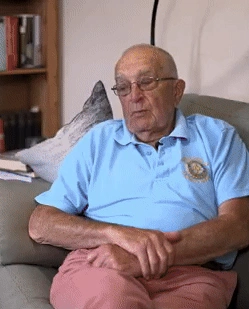

Michael Flack
Shepton knee surgery patient
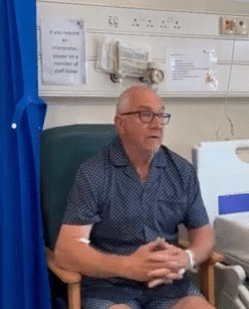
Tony Wakeling
Ilford knee surgery patient


Sue Bateman
Emersons hip surgery patient


Val Stones
Shepton hip surgery patient


Mel Baddick
Plymouth knee surgery patient


Jennie Peace
Shepton knee surgery patient


Derrick Charles
Ilford hip surgery patient


Stuart Slater
Ilford hip surgery patient


Madalina Lordache
Southampton general surgery patient
Affordable options for funding your own treatment.
With our option of paying for yourself you’ll get high quality, consultant-delivered care without the unnecessary extras. It’s excellent value for money, with no compromise on clinical outcomes.
Hassle free treatment for patients with private medical insurance.
Whether you have your own private health insurance or are covered through your employer, receive expert hospital treatment at Practice Plus Group.
Spread the cost of your treatment with our flexible self-pay payment plans. With 0% interest finance available on eligible procedures, you can access the care you need without paying the full cost upfront.
A specialist assessment is needed to determine whether surgery is appropriate. Your consultant will consider your symptoms, medical history and any relevant scans or test results before recommending treatment.
Your length of stay depends on the type of operation you have and how you recover. Your consultant will explain what to expect before your surgery.
Recovery varies from person to person. Your clinical team will give you specific advice about returning to work, driving, exercise and other activities.
You will usually be encouraged to start moving and walking as soon as it is safe after your operation. Your clinical team will advise you on how much activity is appropriate during your recovery.
You may still have some back pain after surgery, particularly while you recover. Decompression is primarily intended to relieve symptoms caused by pressure on the nerves, so your surgeon will explain which of your symptoms the operation is expected to improve.
No. Spinal decompression aims to create more space around compressed nerves. Spinal fusion is a different type of surgery that joins two or more vertebrae together to stabilise the spine.
It can be used to treat sciatica when the sciatic nerve or one of its nerve roots is being compressed. Your consultant will assess what is causing your sciatica and whether decompression is suitable.
It is completely reasonable to have questions before deciding on surgery. You may want to ask:
What is causing my symptoms?
What does the scan show?
Why are you recommending decompression surgery?
What are my alternatives?
What should I expect from recovery?
When can I return to work and normal activities?
What are the risks of my particular operation?
What happens if I decide not to have surgery?
Your consultant will take the time to discuss these questions with you and explain your options.