Ann Diggins, from Plymouth, has been bowled over by her recent knee replacement surgery at Practice Plus Group Hospital, Plymouth and credits its Joint School for her smooth recovery and excellent preparation before the operation itself. Here Ann shares her tips for smooth surgery and recovery.
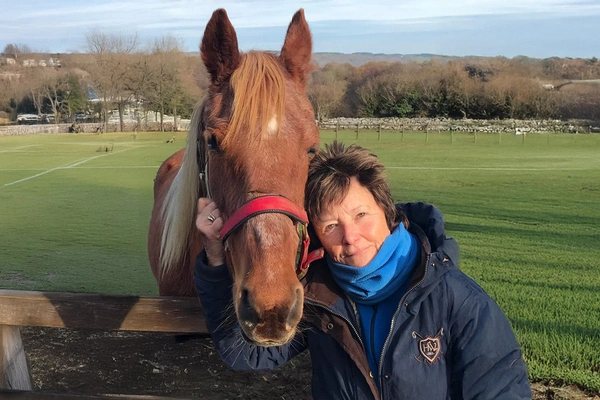
“I feel very fortunate to have been in such good hands as the staff at Practice Plus Group Hospital, Plymouth have really helped me both before, during and after surgery.”
Ann Diggins, knee replacement patient at Practice Plus Group Hospital, Plymouth
“I feel very fortunate to have been in such good hands as the staff at Practice Plus Group Hospital, Plymouth have really helped me both before, during and after surgery. My surgeon Mr Jan has been superb throughout. I am now six weeks post-op and make no mistake my knee replacement surgery recovery has tested both my emotional and physical endurance – however, I’m so glad I did it!
“The information I received from the team is extremely comprehensive. It guides you through everything you need to know and do in preparation for your operation. You even get a bottle of Hibiscrub – an antiseptic skin cleanser for pre-op use.
“I was also invited to attend their Joint School, which takes place in the hospital building. This is an in-depth presentation by one of the physio team members, lasting about an hour and a half, with time for questions at the end. Topics include the exercise aids provided, a guide to the amount of walking that should be done in the first twelve days, and the importance of post-op exercises.
“This session is invaluable. It gives the opportunity to ask any questions you may have before surgery. At the end, there’s even a tour of the wards and the physio room, which really helps ease any anxiety before the big day.
“If you take one thing from my experience, let it be this: do the exercises, stay positive, and trust the process.”
Ann Diggins, knee replacement patient at Practice Plus Group Hospital, Plymouth
“Since surgery, I’ve been doing my post-op exercises every single day, along with some additional ones suggested during physio appointments. I’ve not been tempted to skip these at all as I don’t want to slow my recovery. I’ve also kept on top of my pain medication as they make the exercises much easier to do. I set myself small, realistic achievement goals after I was discharged and logged my progress. Being able to tick these off did wonders for my morale.
“A friend kindly loaned me a walker and a raised loo seat which have both been invaluable. The walker gave me stability and mobility until I could move to crutches. It was especially helpful at shower times. Leaving the shower door slightly open so I could reach it for balance gave me confidence, and a rubber mat prevented slipping.
“Of course, there were some down days. A few weeks after the operation, I felt emotional and frustrated that I was still in pain and couldn’t do everyday tasks easily. Simple routines like getting out of bed, showering, or navigating stairs suddenly required concentration, patience, and confidence – all things we normally take for granted. But from what I’ve seen, those who stay active recover much faster than those who stay in bed or on the sofa all day.
“The information, preparation, and reassurance provided by Practice Plus Group, Plymouth, especially through their Joint School has made a world of difference to my recovery. If you take one thing from my experience, let it be this: do the exercises, stay positive, and trust the process.”


Ann’s tips for pre-op preparation:
- Start the pre-operation exercises as soon as your surgery is confirmed. These are key to a faster recovery. They strengthen your leg muscles (critical for moving your leg post-surgery) and your triceps (you’ll use your arms a lot – getting out of bed, off the loo, etc.).
- Use Hibiscrub in the shower or bath on the days specified in your paperwork. Mark them in your diary.
- Avoid cuts or skin lesions anywhere on your body – they could cancel your surgery if there are concerns.
- Follow instructions about stopping certain medications and supplements before the operation. They will call to remind you – don’t ignore this!
Ann’s tips for post-op recovery:
- The spinal anaesthetic takes about two hours to wear off. As soon as you feel pain or sensation returning to your legs, ask for painkillers immediately – don’t wait.
- The nurses will bring regular pain medication – make sure you eat beforehand. I didn’t, and ended up being sick and in pain.
- A physio will visit you later the same day or the next morning to get you up and moving. Another reason to stay on top of your pain medication!
- You won’t be discharged until you can pass the “stair test” and bend your knee to 90 degrees.
- Once home, you’ll You will be discharged with medications, anti-blood clotting tablets, and a liquid laxative. Take everything as directed. You’ll handle your exercises better if you’re not in pain.
- Don’t skip your follow-up physio appointments. They are crucial to your recovery.