When you have cataract or lens-replacement surgery, there are several types of intraocular lenses (IOLs) available that can reduce your dependence on glasses and give improved night vision and contrast.
Your lens choice depends on your visual needs and lifestyle.
Lenses explained
Having private cataract surgery? This lens may also be recommended by your consultant.
Monofocal lens (standard NHS option)
A high-quality lens that provides excellent distance vision. Having private cataract surgery? This lens may also be recommended by your consultant. Some patients may choose to have it set for near vision instead. This lens is routinely offered on the NHS at no cost to you.
Premium lens
In addition to the standard monofocal lens, you can also choose from a range of premium lenses. These are available through self-pay (with finance options available), or in some cases through private medical insurance, where your insurer may cover part of the cost and you simply pay the difference.
*Representative Example: Total amount of credit £1,849.00. Total charge for credit £574.52. Total amount repayable £2,673.52. Repayable by 48 monthly payments of £50.49. Representative 14.9% APR. Example based upon cataracts costing £2,099.00, with a deposit of £250.00, repayable over 48 months. Acceptance is subject to status. T&Cs apply.
Standard lens
Lens
Price
Cataract surgery – standard monofocal lens
£2,099
Distant
Intermediate
Near
Premium lens
Lens
Price
Cataract surgery – enhanced monofocal lens
£2,249
Cataract surgery – enhanced monofocal lens TORIC
£2,649
Distant
Intermediate
Near
Premium lens
Lens
Price
Cataract surgery – extended depth of focus lens
£3,099
Cataract surgery – extended depth of focus lens TORIC
£3,249
Distant
Intermediate
Near
Premium lens
Lens
Price
Cataract surgery – full visual multifocal lens
£2,949
Cataract surgery – full visual multifocal lens TORIC
£3,099
Distant
Intermediate
Near
Patient stories
Cataract surgery
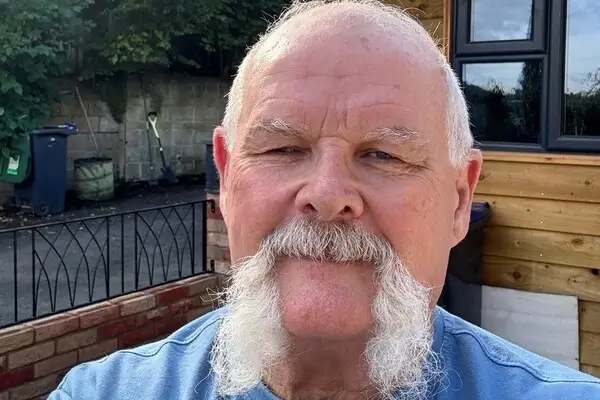
"The clarity of colour was amazing, the difference in greens in the blades of grass and the vibrance. I have two dogs, one of which looked like it had beige patches- they are in fact bright white!"
Shane Hallatt
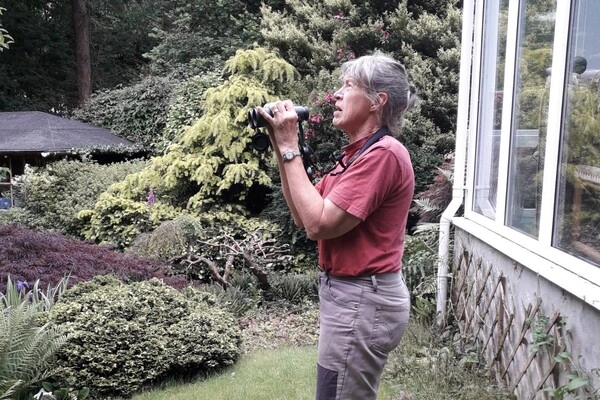
"I compared it [Wellsoon] with two other providers, and it felt like a steal for private treatment. Now, I only need glasses for really fine print. It’s such a relief, especially when I’m out birdwatching or gardening."
Patricia Reed
"I couldn’t believe it when I opened my eyes…everything was so clear!"
Lesley House
"The staff were absolutely wonderful and I was well looked after. The procedure itself took just 6 minutes!"
Adrian Peake
Cataract surgery – at a glance
A short animation detailing cataract surgery.
11
Wondering if you qualify for surgery? Get a FREE no obligation eligibility check in minutes!
– Nuclear sclerotic cataracts usually develop with age. They form deep in the central part of the lens and increase gradually. – Cortical cataracts can be caused by increased risk factors such as diabetes. This type of cataract begins at the edge of the lens and can be described as gradually moving into the centre in a spoke-like manner. Cortical cataracts can develop quite quickly, over a period of months. – Subcapsular cataracts can be caused by taking steroid medication, diabetes, radiation or extreme near-sightedness. This type of cataract forms at the back of the lens. It can make vision blurry and make it difficult to see in bright light. Activities such as driving, especially at night, can be particularly difficult.
What causes cataracts?
The most common reason for cataracts is growing older, when natural changes within the lens occur. Most people over the age of 65 have some changes in their lens and the majority of us will develop a cataract in time.
Other common causes of cataracts include; diabetes, medications such as steroid eye drops, and previous eye surgery. There is research into other factors which may affect cataract development such as smoking, lifelong exposure to sunlight and a poor diet lacking antioxidant vitamins. In general, the reason for the cataract will not affect the way it is removed.
Can cataracts get worse?
Cataracts form over time so that vision gradually deteriorates without treatment.
Do cataracts come back?
Because the affected lens is replaced with a clear artificial lens it is not possible for the cataract to return. After weeks or months, you might experience cloudy vision that might be related to cloudiness of the back support of the artificial lens. This could be safely and easily corrected with a laser. If this occurs please contact your optician to get referred to receive this laser treatment.
How many years does cataract surgery last?
The benefits of cataract surgery are designed to be permanent. There is a small chance of post-surgery complications which can be dealt with by laser treatment.
How painful is cataract surgery?
Cataract surgery shouldn’t be painful at all. This is because it’s done under local anaesthetic, which means you will be awake during the operation. Most of the time drops will be used to numb the eye. If you’re feeling anxious about cataract surgery, read our guide for some reassuring tips.
How long can cataract surgery be postponed?
This depends on the severity of the cataract, it is best to discuss options with your optician or ophthalmologist who will best advise on the timing of surgery.
What happens if you don’t do cataract surgery?
Because cataracts form over time, you will notice a gradual reduction in your vision which will start to interfere with your daily activities such as driving with cataracts or reading. If left untreated, cataracts may get worse and cause severe loss of vision.
How urgent is cataract surgery?
Most cataracts take months to develop but getting a quick diagnosis is advised if you feel that you are having changes in your vision. Don’t ignore sudden eye problems as seeing an optician for an eye test may save your sight.
Is it better to go private or NHS for cataract surgery?
The answer to this is entirely dependent on your circumstances. You will need to take into account the cost of private treatment, along with the long waiting times that come with many NHS treatments.
Is it worth going private for cataract surgery?
This depends on your circumstances. Private cataract surgery is well worth it if you can afford it. If you have the means, you’ll benefit from much shorter waiting times, along with top quality healthcare that’s tailored to your needs.
What is the difference between NHS and private cataract surgery in the UK?
The main difference between NHS and private cataract surgery in the UK is the choice of lenses available and the cataract operation waiting times. If using self-pay with Practice Plus Group you will be able to choose a different type of lens, such as a top-up multifocal lens. This is not an option with NHS cataract surgery which uses the standard intraocular distance lens.
At Practice Plus Group you will usually have cataract surgery within seven weeks from the date of the booking enquiry.
How do I choose a cataract surgery provider?
You need to feel comfortable with your choice of provider. Some things to bear in mind when making a choice:
– Are you comfortable with the location? – Is the cost of private cataract surgery competitive? – Do you have a choice of lenses? – How quickly can you be seen / have the operation?
Is a monofocal lens good for cataract surgery?
Monofocal lenses (also called monofocal IOLs) are a good option for cataract surgery. This is because they have a single focus strength and provide clear distance vision.
What is vision like after monofocal cataract surgery?
After monofocal cataract surgery, distance vision should be greatly improved. If you suffer from short-sightedness, you’ll likely still need to wear glasses or contact lenses to correct this.
What is the best monofocal lens for cataract surgery?
This depends entirely on the type of lens you need and your specific condition. Your consultant will be able to discuss the lens that will suit you best.
Will I still need glasses after cataract surgery?
This depends on the type of lens you receive and any pre-existing eye conditions you have. For example, if you receive a monofocal lens but suffer from short-sightedness, your long distance will be fine, but you’ll still need glasses to correct the pre-existing myopia.
Who cannot have cataract surgery?
The majority of people will be eligible for cataract surgery. However, there are a handful of occasions where it may not be suitable. These include patients:
– in poor health – with macular degeneration – that have advanced diabetes – with other serious medical conditions.
You should speak to your doctor for more information about eligibility for cataract surgery.
Will cataract surgery give me 20/20 vision?
While this can happen, there’s no guarantee. For example, most cataract patients will receive a monofocal lens which typically corrects distance vision. If these patients suffer from short-sightedness, they will still need glasses to correct this.
Is there anything other than surgery for cataracts?
This depends on how advanced the cataract is. Early-stage cataracts can be treated and their progression slowed by a change in glasses prescription and anti-glare light treatment. For more mature cataracts, surgery is the only solution.
How soon can I drive after cataract surgery?
You should be able to drive around 24 hours after surgery provided you meet DVLA requirements.