12–18 minutes
People searching for “carpal tunnel surgery in Plymouth” aren’t just looking for a clinic nearby. They’re looking for reassurance, expertise, and a treatment plan they can trust. It’s about getting the right diagnosis, seeing the right specialist, and feeling confident about what happens next.
If tingling, numbness, wrist pain, or loss of sensation is affecting your day-to-day life, expert assessment can help you understand your options. At Practice Plus Group, private patients can access consultant-led care for carpal tunnel syndrome in Plymouth, with clear pricing, high-quality care, and post-treatment support.

Private carpal tunnel surgery at a glance
- Waiting time: 4-6 weeks
- Cost: £2,349
- Ways to pay: self-pay, insured, payment plans
- Hospital stay: same-day
- Procedure time: up to 20 minutes
On this page:
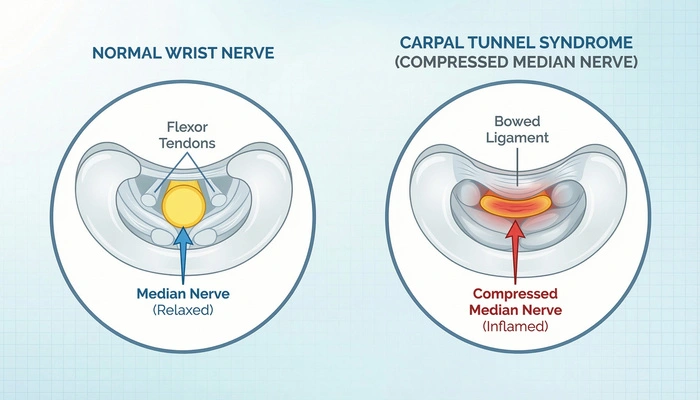
Carpal tunnel syndrome is caused by pressure on the median nerve in the wrist. It can lead to symptoms like tingling, numbness, pain, and weakness in the hand, which often worsens at night. Treatment may include wearing wrist splints, steroid injections, or surgery. The latter is highly effective and can be accessed more quickly through private care in Plymouth.
What is carpal tunnel syndrome?
Carpal tunnel syndrome is a common condition caused by pressure on the median nerve as it passes through a narrow tunnel in the wrist. This nerve helps provide feeling to the thumb, index finger, middle finger, and part of the ring finger, as well as controlling some movement at the base of the thumb.
When the nerve becomes compressed, symptoms can affect the hand and wrist in different ways. For some people, symptoms begin gradually. For others, they become more noticeable over time and start to interfere with sleep, work, or day-to-day tasks.
Common symptoms of carpal tunnel syndrome
Carpal tunnel syndrome symptoms can include:
- tingling in the fingers
- numbness in the hand
- pain in the wrist or palm
- weakness or difficulty gripping objects
- dropping objects more often
- symptoms that are worse at night
- loss of sensation in the fingers.
As the median nerve is affected, symptoms usually involve the thumb, index finger, middle finger, and part of the ring finger rather than the little finger.
If you are looking for a wrist numbness diagnosis or tingling in fingers treatment, a consultation with a hand and wrist specialist can help confirm whether carpal tunnel syndrome is the cause.
Causes and risk factors
There isn’t always one single cause of carpal tunnel syndrome. It typically develops gradually and may be linked to a range of factors. These include:
- repetitive wrist movement
- jobs or hobbies involving gripping or bending the wrist
- pregnancy
- diabetes
- thyroid problems
- osteoarthritis
- rheumatoid arthritis
- previous injury to the wrist
- swelling around the tendons or carpal ligaments.
These risk factors can increase pressure in the carpal tunnel and irritate the nerve over time.
When to seek medical advice
It is worth seeking advice from a specialist if your symptoms are persistent, getting worse, or affecting your daily routine. You should also consider seeing a hand and wrist consultant if:
- symptoms are waking you up at night
- numbness in your hand is becoming more frequent
- grip strength is reduced
- splints or rest are no longer helping
- your symptoms are affecting your work or driving.
Early assessment can be helpful, particularly if symptoms are severe and persistent. A proper carpal tunnel syndrome diagnosis that Plymouth patients can trust is the first step towards effective treatment.
Treatment options for carpal tunnel in Plymouth
If you live in Plymouth (or simply want to have your treatment there), you’re likely to be offered a handful of different approaches to carpal tunnel treatment. These vary depending on how severe the symptoms are and how much they are affecting your everyday life.
For some, symptoms can improve with non-surgical treatment, while others may benefit more from surgery, especially when symptoms are persistent or getting worse.
If you are searching for a hand or a wrist pain specialist nearby, a consultation can help clarify which approach to treatment is the most appropriate for you.
Non-surgical treatments
These can include:
- wearing wrist splints – especially at night
- activity modification
- pain relief
- physiotherapy advice
- steroid injection.
These treatments may help reduce inflammation, ease symptoms, and improve hand function, particularly in milder cases.
Carpal tunnel release surgery explained
If non-surgical treatment hasn’t helped, or if symptoms are becoming more severe, carpal tunnel release surgery may be recommended.
This procedure works by relieving pressure on the median nerve. It is a form of nerve decompression and is commonly carried out as a day-case procedure under local anaesthetic.
Carpal tunnel release surgery is often relatively quick and focuses on improving symptoms like numbness, tingling, pain, and weakness in the hand. For many patients, it can help prevent symptoms from progressing further.
Carpal tunnel success rates in Plymouth
A carpal tunnel operation is considered an effective form of treatment for suitable patients and it’s generally accepted that the success rate of carpal tunnel surgery is over 90%. However, outcomes can vary depending on how severe the condition was before surgery, how long symptoms had been present, and individual healing factors.
Patients should be given balanced information about likely benefits, recovery, and possible risks rather than unrealistic promises.
Private vs NHS carpal tunnel surgery
Patients considering treatment at our Plymouth Hospital may compare private hand surgery options with NHS carpal tunnel surgery pathways.
For many people, the main advantages of private care are:
- shorter waiting times for consultation and treatment
- consultant-led continuity of care
- clear pricing
- flexibility around work and family life
- self-pay, insured, and payment plans available.
Private treatment may suit patients who want quicker access to a consultation and surgery.
Carpal tunnel waiting times in Plymouth
Carpal tunnel surgery waiting times can play a big part in treatment decisions, especially if symptoms are affecting sleep, work, or everyday function.
Private treatment can offer a faster route to diagnosis and surgery, while NHS waiting times vary depending on local demand and service pressures.
The table below illustrates the difference between NHS and private waiting times for orthopaedic patients in Plymouth:
Hospital name | Waiting time for consultation | Waiting time for treatment |
|---|---|---|
Practice Plus Group (for private patients) | 1-2 weeks | 4-6 weeks |
University Hospitals Plymouth NHS Trust | 19 weeks | 42 weeks |
When comparing providers, it helps to look at:
- how quickly you can get a first consultation
- how long it takes to get surgery after diagnosis
- whether you will see the same consultant throughout
- what follow-up care is included.
Finding the right carpal tunnel surgeon in Plymouth
Choosing a carpal tunnel specialist is about more than just finding a name online. Patients usually want someone with relevant experience, good reviews from past patients, and a treatment pathway that feels supportive and well organised.
Consultant profiles

Name: John Beardsmore
GMC number: 3564406
Qualifications and training:
– BSc (Bachelor of Science) – St Andrew’s University
– MB ChB (Bachelor of Medicine, Bachelor of Surgery) – Manchester University, 1991
– FRCS (Tr & Orth) (Fellow of the Royal College of Surgeons)
Subspecialities:
– hand, wrist, and nerve surgery
Consultant quote:
“I have over 30 years of lifetime experience of hand and wrist surgery including carpal tunnel and carpal tunnel revision surgery.”
How to choose a specialist
When comparing surgeons, you should look for the following:
- experience in hand and wrist surgery
- consultant-led care
- a clear explanation of available treatment options
- transparent pricing
- an effective and thorough hand surgery support team
- local access to follow-up care.
The best carpal tunnel surgeon for one patient may not be the same for another. What matters is finding an experienced hand surgeon whose skills, communication, and availability match your needs.
Cost of carpal tunnel surgery in Plymouth
Cost is often one of the biggest questions for patients considering private surgery for carpal tunnel syndrome. Clear pricing helps people make informed decisions and compare providers with more confidence.
At Practice Plus Group, surgery is available at locations across the UK and pricing is fixed. The procedure can be paid for upfront or with health insurance. You will need to check with your insurance provider to confirm whether your carpal tunnel procedure is covered under your policy.
Typical costs
Healthcare route | Typical cost approach | Key points |
|---|---|---|
NHS | No direct surgery cost to patient | Waiting times can be very long |
Private self-pay | Fixed package price | – Transparent and planned in advance – Can be spread over the course of a fixed time period |
Private insured | Covered in line with policy | May depend on excess and authorisation |
What’s included in your package?
When choosing private treatment, patients often want clarity on what the price actually includes. A typical package may cover your initial consultation, where a specialist reviews your symptoms, medical history, and whether carpal tunnel syndrome is the likely cause of your discomfort.
As part of our commitment to transparency, the price you see is the price you pay. And in the case of carpal tunnel surgery at Practice Plus Group, this comes to £2,349. This includes any basic tests you might need in the initial consultation to diagnose your condition. It will also cover any necessary post-op medication to help get you back to your best.
Private medical insurance: insured patients
Private treatment may also be an option if you have private medical insurance. This will, however, depend on the specific terms of your policy. Your insurer will usually confirm what’s covered, such as consultations, diagnostics, and the surgery itself, and will likely require authorisation before you book anything. Some policies also need a GP referral, while others let you arrange a private consultation directly.
If you’re not using insurance, you can often choose a self pay route with clear, upfront pricing and the flexibility to schedule treatment sooner. Many providers also offer finance or payment plans, allowing you to spread the cost if needed.
Whether you are insured or paying for yourself, understanding your payment route can make the process smoother and help you choose the option that works best for your circumstances.

A short animation detailing carpal tunnel surgery.
Booking a carpal tunnel consultation in Plymouth
If you are ready to book a carpal tunnel consultation, the next step is arranging an initial appointment with a trusted specialist.
This appointment is designed to confirm the diagnosis, assess symptom severity, and explain which treatment options are suitable for you.
How to book online
You can enquire online or by phone to arrange a consultation with a hand and wrist specialist. Our team can help explain next steps, available appointments, and whether self-pay or insured treatment is right for you.
What to expect at your first appointment
Your first consultation will likely include:
- a discussion of your symptoms
- review of your medical history
- examination of the affected hand and wrist
- discussion of treatment options
- possible surgical planning – if needed.
This is where the initial diagnosis takes shape and where your consultant can explain the most suitable next step.
Preparing for surgery: patient checklist
If you’re at the point of planning for your carpal tunnel surgery, here’s a useful checklist to help with your preparation:
- bring a list of medications you’re currently taking
- arrange transport home from a friend or family member
- ask whether fasting is required
- plan support at home after surgery
- wear comfortable clothing
- prepare any questions in advance.
Hospital and clinic facilities in Plymouth
Local access and patient comfort can make a real difference to your overall treatment experience. If you’re looking for a nearby hospital in Plymouth, it’s likely you’ll be on the lookout for more than just a place to have surgery.
At Practice Plus Group Hospital, Plymouth, patients can access treatment in a private hospital environment that’s specifically been designed to support a smooth and straightforward patient journey. For those patients needing hand and wrist surgery, this means access to a clinical setting focused on high standards of care, from initial consultation through to treatment and aftercare.

Join us for a quick walk-through our Plymouth hospital
Convenience also matters. Easy access for local patients can make appointments, surgery day arrangements, and follow-up care feel much more manageable. For many people, being treated closer to home reduces stress and makes it easier to plan around family, work, and recovery.
Patients also benefit from the support of experienced clinical and administrative teams. From answering practical questions before your appointment to helping guide you through the next steps post-surgery, a well-coordinated team can make the whole process feel clearer and more reassuring.
Patient comfort and care
Feeling comfortable and well-supported is an important part of any private treatment experience. Patients want to know they will be cared for in surroundings that are clean, welcoming, and professional, with staff who understand that reassurance matters just as much as clinical expertise.
Clear communication before and after treatment can make a big difference. Knowing what to expect, when to arrive, how to prepare, and what recovery may involve helps patients feel more confident and informed throughout the process.
Supportive staff are also a key part of good patient care. From the first enquiry through to follow-up, patients value a calm, friendly approach and the feeling that questions will be answered clearly and without fuss.
Comfortable patient areas and a calm, professional environment can also help make the day feel less daunting. Whether attending for consultation or surgery, many patients appreciate surroundings that feel organised, respectful, and focused on their wellbeing.
Recovery, aftercare, and patient support in Plymouth
Regardless of whether you’ve had carpal tunnel or total hip surgery, recovery is a crucial part of the patient journey. While carpal tunnel surgery is often quicker and less invasive than many other orthopaedic procedures, you should remember that it still takes time for the hand to heal fully.
Typical recovery timeline
Carpal tunnel surgery recovery varies from person-to-person, but patients are often keen to know what the first few weeks of recovery will look like.
Typical milestones may include:
- light finger movement soon after surgery
- wound healing over the first 14 days
- a gradual return to normal hand use over the following weeks after surgery
- return to work (depending on job type – manual jobs will take longer)
- continued improvement in comfort and strength over time.
A small incision may heal fairly quickly, but full strength and confidence in the hand can take longer.
Physiotherapy and rehabilitation
Not every patient will need formal physiotherapy, but aftercare advice is still important. This may include:
- gentle hand exercises
- wound care guidance
- advice on grip and movement
- follow-up contact if needed
- support with return to work.
Want to access carpal tunnel surgery via private medical insurance?
Simply type in the name of your insurance provider below to see if you can access healthcare with us.
Check if we accept your insurer
How to get started
1
Get referred – Ask your GP to refer you to us.
2
Confirm cover – Contact your insurer to check your cover.
3
Get authorisation – Ask your insurer for a code.
4
Get booked in – Contact us to book your consultation.
Sources and references
– NHS: Carpal tunnel syndrome
– NHS England: Making a decision about carpal tunnel syndrome
– NICE CKS: Carpal tunnel assessment and diagnosis
– A new, less invasive approach to carpal tunnel syndrome
– Carpal tunnel surgery recovery time
– Carpal tunnel or arthritis: what’s the difference?
– Best carpal tunnel exercises before surgery
– Before and after carpal tunnel surgery – the benefits
– How to relieve carpal tunnel pain
– Carpal tunnel surgery waiting times explained
Share
FAQs about carpal tunnel surgery in Plymouth
Still looking for information about carpal tunnel surgery in Plymouth? Our dedicated FAQs may be able to help.
Which is the best hospital for carpal tunnel surgery in Plymouth?
The right hospital depends on consultant expertise, waiting times, aftercare, price transparency, and the specific needs of the patient. Many patients look for a provider offering consultant-led care and clear treatment pathways.
How long is recovery from carpal tunnel surgery?
Recovery varies, but wound healing often happens in the first couple of weeks. Hand strength and a reduction in pain continues to improve over a longer period.
Is carpal tunnel surgery painful?
Carpal tunnel release surgery is usually carried out under local anaesthetic, so the hand is numbed during the procedure. Some soreness afterwards is normal.
What’s the waiting time for carpal tunnel surgery in Plymouth?
Waiting times vary depending on whether you choose private or NHS treatment and on local availability. More information on NHS waiting times is available on the My Planned Care website.
(Practice Plus Group is not responsible for and does not control the content displayed on external websites.)
Can carpal tunnel return after surgery?
Recurrence is possible, but infrequent, and most patients experience good symptom relief after surgery.
How do I know if I need surgery?
Surgery may be recommended if symptoms are persistent, getting worse, or affecting grip, sleep, or daily activities, especially if non-surgical treatment has not helped.
Who is the best carpal tunnel surgeon in Plymouth?
The best surgeon for you will depend on experience, communication, availability, and whether they offer the kind of consultant-led care you are looking for.
How much does private carpal tunnel surgery cost?
Carpal tunnel surgery cost will vary by provider. Patients should look for a transparent package price and clear information on what is included.
Do I need a GP referral for private surgery?
Not always. Some self-pay pathways allow direct access, while insurance providers may require a referral.
What are the risks of carpal tunnel release surgery?
As with any procedure, there are risks. These include:
– infection
– scar tenderness
– stiffness
– incomplete symptom relief.
Is private medical insurance accepted?
Many private providers accept insured patients, but accepted insurers and authorisation requirements can vary. You’ll need to get in touch with your insurance provider to find out whether carpal tunnel surgery is covered under the terms of your policy.
Acknowledgements and clinical review
This page has been medically reviewed and approved by Mr John Beardsmore, Consultant Orthopaedic Surgeon at Practice Plus Group Hospital, Plymouth. He graduated from Manchester University with an MBChB and St Andrews with a BSc qualification. He then undertook specialist orthopaedic training on the North West rotation and gained the CCST intercollegiate specialist orthopaedic qualification.
All content on this page is produced by the Practice Plus Group digital content team and clinically reviewed by consultant specialists to ensure accuracy, patient safety, and alignment with current UK clinical best practice. Content is approved under Practice Plus Group’s clinical governance framework.

John Beardsmore, General Medical Council number: 3564406
This page is regularly reviewed and updated to reflect changes in clinical evidence, surgical practice, and patient safety standards. The last clinical review was completed on 9/6/2026, with the next review scheduled for 9/06/2027.
James Wood, Content Specialist
This article was co-written by Content Specialist, James Wood. Our Content Specialist, James, has been writing articles and blogs for Practice Plus Group since 2022. He has more than a decade of experience as a copywriter within a range of different backgrounds and works closely with medical professionals to deliver information that's easy-to-read and patient-focused. When he's not writing medical pieces, James is busy playing sports or pub quizzing.
View LinkedIn profile