11–16 minutes
Before we even get started, let’s clear something up. No, shockwave therapy isn’t an outdated, controversial treatment from the 1930s involving electric shocks! It is, in fact a non-invasive treatment used to help relieve pain and support the healing process in muscles, tendons, ligaments, and other soft tissues. Also known as extracorporeal shockwave therapy (or ESWT) it is often considered when ongoing musculoskeletal pain has not improved following conservative treatments like rest, physiotherapy, stretching, strengthening exercises, wearing insoles, or taking pain relief medication.
Private shockwave therapy at a glance
- Waiting time: 4-6 weeks
- Cost: £90
- Ways to pay: self-pay, insured, payment plans
- Hospital stay: same-day
- Procedure time: 15-30 minutes
On this page:
Shockwave therapy is a non-invasive treatment that uses sound waves to stimulate healing in chronic tendon and soft tissue conditions. It is most effective when combined with physiotherapy, exercises, and other conservative treatments.
Shockwave therapy aims to reduce pain and improve function for conditions such as plantar fasciitis and Achilles tendinopathy, with minimal downtime.
Why is shockwave therapy needed?
First, it’s important to understand that shockwave therapy is not meant as a standalone treatment. It’s recommended as a treatment that complements other forms of intervention.
These generally include:
- physiotherapy
- stretching
- strengthening exercises
- rest
- footwear changes
- orthotics
- ice therapy
- pain relief.
Some tendon and soft tissue conditions can become long-term because the normal healing process has slowed down. This can lead to ongoing pain, stiffness, and restricted movement. In some cases, people start avoiding everyday activities, sport, and exercise because the pain keeps coming back.
Shockwave therapy may be considered when:
- pain has lasted for several weeks or months
- physiotherapy alone has not provided enough improvement
- symptoms are affecting walking, exercise, work, or daily activities
- the affected area is tender, stiff or painful during movement
- a non-invasive treatment is preferred before considering more invasive options
- the goal is to encourage healing rather than just managing the pain.
For many people, the appeal of ESWT is that it is quick, non-surgical, and usually doesn’t entail a recovery period. It can be used as part of a wider treatment plan, often alongside physiotherapy exercises and advice on activity management.
How does shockwave therapy work?
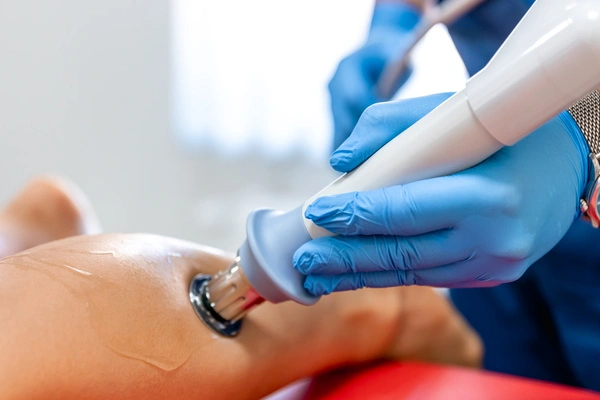
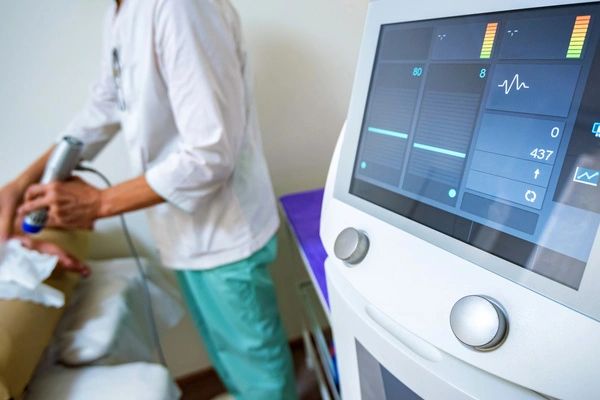
Shockwave therapy works by passing sound waves from a handheld device through the skin into the affected area. These waves create a controlled mechanical stimulus within the affected tissues with the aim of triggering a local healing response. This can increase blood circulation and metabolism in the treated area, helping the body bring oxygen and nutrients to tissues that need repair. It may also stimulate cells involved in tissue regeneration.
In simple terms, shockwave therapy is designed to “wake-up” the healing process that has stalled.
The effects of these shockwaves may include:
- increased blood flow to the affected area
- stimulation of cells involved in repair
- a healing or pro-inflammatory response in the tissue
- reduced sensitivity in irritated nerves
- support for pain relief
- help breaking down some calcium deposits in certain conditions
- improved tissue repair over time.
Although some people associate inflammation with something negative, increasing numbers of studies show it’s a natural part of the body’s response to trauma and injury.
Shockwave therapy aims to trigger a controlled healing response. This is one reason patients may be advised to avoid anti-inflammatory medication (such as ibuprofen or aspirin) prior to treatment unless told otherwise by their clinician.
What conditions can shockwave therapy help?
Shockwave therapy is used for several musculoskeletal conditions. Some of the most common involve chronic tendon pain or soft tissue irritation. The information below explores the conditions it can be used to treat.
Plantar fasciitis
Plantar fasciitis is a common cause of pain in the heel and sole of the foot. It affects the plantar fascia, the thick band of tissue running along the bottom of the foot.
Pain is often worse when taking the first steps in the morning or after sitting for prolonged periods of time. Some people find it gets better as they move, but returns after standing, walking, or running for longer periods.
Shockwave therapy may be used if plantar fasciitis has not improved with targeted exercises, rest, footwear changes, insoles, or physiotherapy.
Achilles tendinopathy
Achilles tendinopathy affects the Achilles tendon, which connects the calf muscles to the heel bone. It can cause pain, stiffness, swelling, or tenderness at the back of the heel or lower calf.
It is often linked to repetitive strain, changes in activity levels, tight calf muscles, or overloading the tendon. Shockwave therapy may be considered when Achilles tendon pain becomes persistent and does not settle with usual non-surgical care.
Tendinitis and tendon pain
Shockwave treatments may be used for different types of tendon pain. These generally include shoulder tendinitis, tennis elbow, and patellar tendinopathy (sometimes also known as jumper’s knee).
Tendons can be slow to heal because they have a relatively limited blood supply compared with other tissues. ESWT aims to stimulate the area and encourage a better healing response.
Calcific shoulder tendinitis
Calcific shoulder tendinitis happens when calcium deposits develop in the tendons around the shoulder. This can cause pain and restricted movement.
Shockwave therapy may help some patients by stimulating healing and supporting the breakdown of calcium deposits.
Myofascial pain and trigger points
Some people experience pain linked to tight, sensitive points in muscles or soft tissues. Shockwave therapy may be used to help relieve discomfort and improve movement.
Greater trochanteric pain syndrome
Pain around the Greater Trochanter (the bony point at the side of the hip) can sometimes be linked to irritation of soft tissues and tendons in the area. ESWT may be considered as part of a wider treatment plan for ongoing symptoms.
What happens during shockwave therapy?
Shockwave therapy is usually a quick outpatient treatment. This means there’s no need for a hospital stay or a general anaesthetic.
A typical appointment may involve:
- Assessment: your clinician identifies the affected area and checks that shockwave therapy is suitable for you.
- Positioning: you will usually sit or lie in a comfortable position so the affected area can be treated safely.
- Gel application: a gel is applied to the skin. This helps the shockwaves pass from the device into the tissue.
- Shockwave treatment: a handheld device is placed against the skin. It delivers sound waves into the affected area. You may hear a fast clicking noise and feel a tapping or vibrating sensation.
- Aftercare advice: your clinician will explain what to do after treatment. This includes activities to avoid and when to return for your next session.
The appointment itself is usually straightforward and the treatment commonly takes between 15 – 30 minutes.
Does shockwave therapy hurt?
Shockwave therapy isn’t painful, but it can feel uncomfortable for some people. It’s often described as a tapping, pulsing, or vibration over the affected area.
The level of discomfort felt depends on the specific condition being treated, how sensitive the area is, and the intensity of the treatment. Your clinician can usually adjust the settings if needed.
Some people feel pain relief shortly after treatment. Others may feel sore for a couple of days before symptoms begin to improve. This can be part of the body’s response to the treatment.
Hear from a past shockwave therapy patient
“What means the most is getting my life back. I’m planning a walking holiday where I’m looking forward to getting on and off trains, walking along beaches and exploring places I simply wouldn’t have been able to manage before.”
Marisa Poore, shockwave therapy patient at Practice Plus Group Hospital, Shepton Mallet
What are the side effects of shockwave therapy?
Shockwave therapy is generally considered safe when carried out by a trained clinician, but like any treatment, side effects can occur.
The possible side effects of shockwave therapy include:
- temporary increase in pain
- soreness in the treated area
- redness
- bruising
- swelling
- tingling
- numbness
- skin irritation.
Most side effects are mild and settle within a few days. In rare cases, symptoms can last longer.
There is also a small risk of tendon rupture, plantar fascia rupture, or damage to surrounding soft tissue. Your clinician will explain the benefits and risks before treatment so you can make an informed decision.
You should tell your clinician if you:
- have recently had a steroid injection
- are taking blood-thinning medication
- have certain medical conditions
- are pregnant
- have concerns about whether ESWT is suitable for you.
Is shockwave therapy an invasive treatment?
No. Shockwave therapy is a non-invasive treatment. This means there are no cuts, stitches or surgical wounds.
The sound waves are delivered from outside the body through the skin. This makes it different from injections and surgery. It also means recovery is usually much quicker than it would be after an operation.
However, the fact that it’s “non-invasive” doesn’t necessarily mean it’s suitable for everyone. You should still be assessed by a qualified clinician before starting shockwave treatments.
How many shockwave therapy sessions will I need?
The number of sessions will vary depending on your condition, symptoms, and how you respond to treatment.
At Practice Plus Group, a course of ESWT may involve weekly sessions over several weeks. Some people may need more or fewer sessions depending on how they respond to the treatment.
Your clinician will discuss your treatment plan with you, including how often you need appointments and when your progress should be reviewed.
What should I do before shockwave therapy?
Before shockwave therapy sessions, your clinician will explain how to prepare.
You may be advised to avoid anti-inflammatory drugs such as aspirin or ibuprofen for at least two weeks before treatment, unless your clinician tells you otherwise. This is because ESWT is designed to stimulate a healing response, and anti-inflammatory medication may interfere with that process.
You should also tell your clinician about any medication you take, any recent injections or injuries you’ve had, and any current medical conditions.
It may help to wear comfortable clothing that allows easy access to the affected area. For example, shorts may be useful if you are having treatment for Achilles tendinopathy or plantar fasciitis.
What happens after shockwave therapy?
Most people can return to normal daily activities after shockwave therapy. However, it is usually best to avoid strenuous or pain-provoking activity for around 48 hours.
This includes high-impact exercise or anything that puts extra stress on the affected area. For example, if you are having ESWT for plantar fasciitis or Achilles tendon pain, you may be advised to avoid running or jumping immediately after treatment.
You may feel some pain relief straight away but some patients report soreness a few hours later. This usually settles within a couple of days.
Your clinician may also give you exercises or activity advice to support your recovery. Shockwave therapy often works best when it is part of a wider rehabilitation plan.
How long does shockwave therapy take to work?
Some people notice an improvement quickly, while others need several sessions before they feel a difference.
As shockwave therapy is designed to support the healing process, results may build gradually over time. The aim is not just short-term pain relief, but improved recovery in the affected tissue.
Your clinician may arrange a follow-up appointment after your course of treatment to check your progress and discuss next steps.
Is shockwave therapy back by clinical evidence?
Shockwave therapy has been studied for several musculoskeletal conditions, including plantar fasciitis and Achilles tendinopathy.
Clinical trial evidence varies depending on the condition being treated, the type of ESWT used, the treatment protocol and the patient group. Some studies show improvements in pain and function, while guidance also notes that the strength and consistency of evidence can vary between conditions.
This is why ESWT should be recommended on an individual basis after assessment. It may be a useful option for some people, particularly when symptoms have not improved with conservative treatment.
Shockwave therapy at Practice Plus Group
Practice Plus Group offers private extracorporeal shockwave therapy for suitable patients with musculoskeletal pain and tendon-related conditions.
Benefits include:
- quick access to private treatment
- outpatient appointments
- non-invasive pain relief
- treatment delivered by an experienced private physiotherapy team
- no hospital stay
- minimal downtime
- self-pay, insured, and payment plan options.
Private ESWT at Practice Plus Group starts from £90, with waiting times of around 4-6 weeks.
When should I consider shockwave therapy?
You may want to ask about shockwave therapy if you have ongoing tendon, heel, foot, or joint pain that has not improved with conservative treatment.
It may be suitable if:
- your pain has become chronic
- physiotherapy has not fully resolved the problem
- your symptoms are affecting everyday life
- you want to explore a non-invasive treatment
- you want to avoid or delay more invasive treatment where appropriate
- you have a condition such as plantar fasciitis or Achilles tendinopathy.
A clinician can assess your symptoms and help decide whether ESWT is right for you.
Want to access shockwave therapy via private medical insurance?
Simply type in the name of your insurance provider below to see if you can access healthcare with us.
Check if we accept your insurer
How to get started
1
Get referred – Ask your GP to refer you to us.
2
Confirm cover – Contact your insurer to check your cover.
3
Get authorisation – Ask your insurer for a code.
4
Get booked in – Contact us to book your consultation.
Share
Shockwave therapy FAQs
Struggling to find the right information? Our shockwave therapy FAQs may be able to help!
What is shockwave therapy?
Shockwave therapy is a non-invasive treatment that uses acoustic sound waves to stimulate healing and support pain relief in painful tendons, joints, muscles, and soft tissues. It is also called extracorporeal shockwave therapy or ESWT.
How does shockwave therapy work?
Shockwave therapy works by sending sound waves through the skin into the affected area. These waves help stimulate cells, increase blood flow, and encourage the body’s natural healing process.
What is shockwave therapy used for?
Shockwave therapy is commonly used for musculoskeletal conditions such as plantar fasciitis, Achilles tendinopathy, tennis elbow, shoulder tendinitis, patellar tendinopathy, and other chronic soft tissue or tendon problems.
Is shockwave therapy painful?
Shockwave therapy can feel uncomfortable, especially if the affected area is already tender, but it should not provoke severe pain. You may feel a tapping, pulsing, or vibrating sensation during treatment.
What are the side effects of shockwave therapy?
Possible side effects include temporary pain, soreness, bruising, redness, swelling, tingling, numbness, or skin irritation. Most side effects settle within a few days.
Is shockwave therapy the same as surgery?
No. Shockwave therapy is not surgery. It is a non-invasive treatment delivered through the skin using a handheld device. There are no cuts, stitches, or surgical wounds.
How long does shockwave therapy take?
The treatment itself usually takes around 15 – 30 minutes. Your appointment may be slightly longer to allow time for assessment, preparation, and aftercare advice.
How many shockwave therapy sessions do I need?
Many patients have a course of several sessions. At Practice Plus Group, ESWT is often delivered weekly over several weeks, but the exact number of sessions depends on your condition and response to treatment.
Can shockwave therapy help plantar fasciitis?
Shockwave therapy may be used for plantar fasciitis when symptoms have not improved with treatments such as rest, exercises, footwear changes, insoles, or physiotherapy.
Can shockwave therapy help Achilles tendinopathy?
Shockwave therapy may be considered for Achilles tendinopathy when pain and stiffness in the Achilles tendon have not responded to conservative treatments such as physiotherapy, rest, and activity modification.
Can I exercise after shockwave therapy?
You can usually continue normal day-to-day activities after treatment, but you should avoid strenuous or pain-provoking activity for around 48 hours. Your clinician will give you advice based on your condition.
Do I need a referral for shockwave therapy?
At Practice Plus Group, patients may be able to access ESWT through a GP referral, physiotherapist, chiropractor, osteopath, or self-referral. Suitability will be assessed before treatment.
Acknowledgements
This page has been medically reviewed and approved by Lawrence Carmel, MSK Advanced Physiotherapy Practitioner at Practice Plus Group Hospital. With over 25 years of clinical experience across India and the UK, Lawrence Carmel brings a wealth of expertise in musculoskeletal conditions, sports injuries, falls prevention, and rehabilitation. Committed to evidence-based, patient-centred care, Lawrence works closely with multidisciplinary teams to deliver impactful outcomes.
All content on this page is produced by the Practice Plus Group digital content team and clinically reviewed by consultant specialists to ensure accuracy, patient safety, and alignment with current UK clinical best practice. Content is approved under Practice Plus Group’s clinical governance framework

Lawrence Carmel, MSK Advanced Physiotherapy Practioner
This page is regularly reviewed and updated to reflect changes in clinical evidence, surgical practice, and patient safety standards. The last clinical review was completed on 3/7/2026, with the next review scheduled for 3/07/2027.
James Wood, Content Specialist
This article was co-written by Content Specialist, James Wood. Our Content Specialist, James, has been writing articles and blogs for Practice Plus Group since 2022. He has more than a decade of experience as a copywriter within a range of different backgrounds and works closely with medical professionals to deliver information that's easy-to-read and patient-focused. When he's not writing medical pieces, James is busy playing sports or pub quizzing.
View LinkedIn profile